
 English
 русский
Content
- 1 Yes — Chromium Is the Defining Ingredient
- 2 The Passive Film: Why a Little Chromium Goes a Long Way
- 3 How Much Chromium Is Usually Present?
- 4 What 18/8, 18/10 and 18/0 Really Tell You
- 5 What About "Chromium-Free" Stainless Steel?
- 6 Is the Chromium in Stainless Steel a Health Concern?
- 7 Why This Matters When You Choose Pipe
- 8 Quick Checks Before You Order
It is one of those questions that comes up in almost every enquiry we handle: does all stainless steel have chromium? The honest, unhedged answer is yes. Chromium is not an additive that some mills include and others skip — it is the element that makes steel "stainless" in the first place. Remove it, and what is left is an alloy steel that will rust like any other.
That said, the amount varies a great deal from grade to grade, and that variation is what actually matters when you are specifying pipe, tube or fittings for a real application. After sixteen years of cutting, testing and shipping stainless tube, we have learned that most confusion around chromium comes from mixing up presence with quantity.
Yes — Chromium Is the Defining Ingredient
Under the widely used European and American conventions, a steel must contain a minimum of roughly 10.5% chromium by mass to be classified as stainless. That figure is not arbitrary marketing language; it is the threshold at which the metal develops a continuous, self-repairing oxide surface rather than the patchy rust layer that ordinary carbon steel forms.
This is why you will never find a genuine stainless grade with 2% or 5% chromium. There are low-alloy and weathering steels that resist corrosion to a degree — they rely on copper, phosphorus or a protective rust patina — but they are not stainless steels, and they behave very differently in wet, chlorinated or acidic service. If a supplier claims a "stainless" product with no chromium, the correct response is to ask for the mill certificate.
The Passive Film: Why a Little Chromium Goes a Long Way
When chromium-bearing steel is exposed to oxygen — from air, water, or even a moist workshop atmosphere — the chromium at the surface reacts to form chromium oxide, mainly Cr₂O₃. This layer is only a few nanometres thick, invisible, and firmly bonded to the substrate. It is also the reason stainless steel keeps working after a scratch: if the film is damaged and oxygen is available, it reforms within minutes.
The practical consequence for pipe users is that corrosion resistance depends on keeping that film intact. Chlorides attack it, reducing environments break it down, and contamination such as embedded free iron can prevent it from forming. This is why a properly executed passivation or polishing step is not cosmetic — it removes the surface contamination that would otherwise stop the passive layer from doing its job.
How Much Chromium Is Usually Present?
The common grades sold as tube and pipe sit comfortably above the minimum. Austenitic 304 and 316L, the workhorses of process piping, typically carry 16–20% chromium. Ferritic 430, familiar from appliance trim, runs higher on chromium but contains no nickel. Duplex grades push chromium to around 22–23% to combine corrosion resistance with higher strength.
| Grade | Chromium (%) | Nickel (%) | What the balance gives you |
|---|---|---|---|
| 430 | 16.0–18.0 | — | Ferritic, decorative and general indoor use |
| 201 | 16.0–18.0 | 3.5–5.5 | Lower-cost austenitic for light service |
| 304 / 304L | 18.0–20.0 | 8.0–10.5 | General corrosion resistance, food and water |
| 316 / 316L | 16.0–18.0 | 10.0–14.0 | Molybdenum added for chloride environments |
| 2205 duplex | 22.0–23.0 | 4.5–6.5 | High strength plus strong chloride resistance |
Note that 316L sits at the lower end of the chromium range and still outperforms 304 in seawater-adjacent service — because molybdenum compensates. If you want to compare composition numbers across grades in one place, our size and composition comparison table is a practical starting point.
What 18/8, 18/10 and 18/0 Really Tell You
These shorthand labels describe chromium and nickel percentages respectively. 18/10 means roughly 18% chromium and 10% nickel; 18/0 means 18% chromium and essentially no nickel. All three are stainless — the chromium is present in every one of them. The difference lies in what the nickel does: it stabilises the austenitic structure, improving formability, weldability and toughness.
So 18/0 flatware is not "chromium-free" or lower grade in the way it is sometimes marketed; it is simply nickel-free, which makes it magnetic and cheaper, with slightly less resistance in aggressive conditions. When someone tells you a pipe is 18/8, they are describing an alloy chemistry, not a certification. Always confirm against the standard cited on the mill test report.
What About "Chromium-Free" Stainless Steel?
Commercially, it does not exist. There are chromium-free alloys — certain iron-aluminium compositions and nickel-based materials — that resist oxidation in specific high-temperature duties, and there are polished coatings and chrome plating that mimic the look of stainless. None of these are stainless steel, and none should be substituted without an engineering review. If a specification genuinely requires chromium-free construction, the conversation shifts to a different material family altogether.
Is the Chromium in Stainless Steel a Health Concern?
In the solid metal, chromium atoms sit within the crystal lattice, and the passive film itself is extremely stable. Normal handling and use release only trace amounts, far below any meaningful exposure threshold. The more nuanced discussion concerns hexavalent chromium (Cr⁶⁺), which can form under specific conditions such as welding fume generation or strongly oxidising environments — a process-control and ventilation issue rather than a reason to avoid stainless pipe. For drinking water and food contact, the relevant standards already assume chromium-bearing stainless and set limits accordingly.
Why This Matters When You Choose Pipe
Because every stainless grade contains chromium, grade selection becomes a question of environment rather than presence. If the pipe will carry chlorinated water or sit near a coast, extra chromium and molybdenum earn their cost. If it carries high-purity media, the surface condition of that chromium oxide layer becomes the deciding factor.
For sanitary and potable work we usually point customers toward a 316-grade tube where the higher alloy content supports a cleaner, more stable surface:
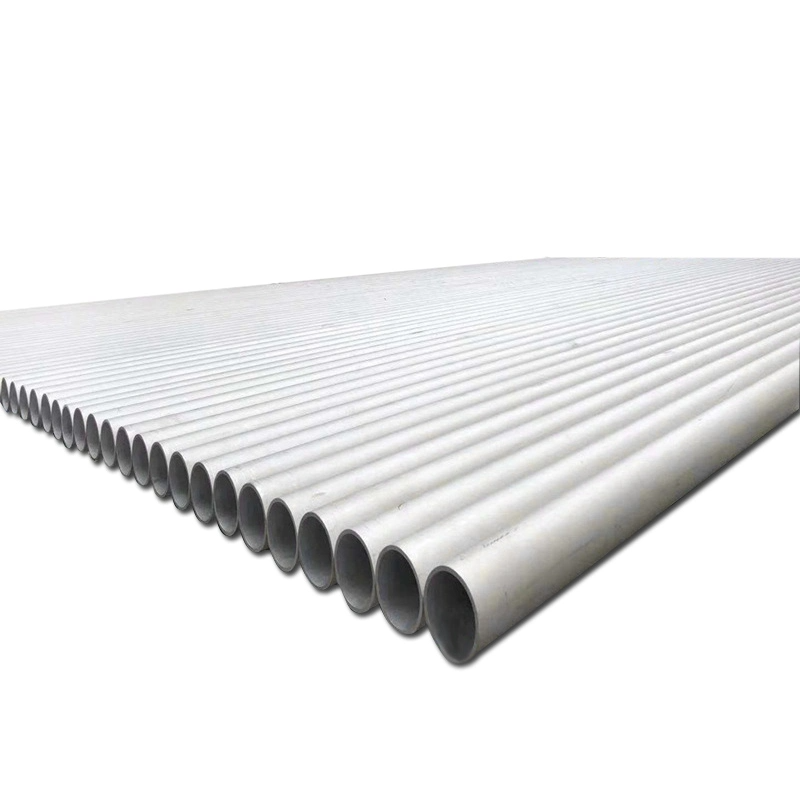
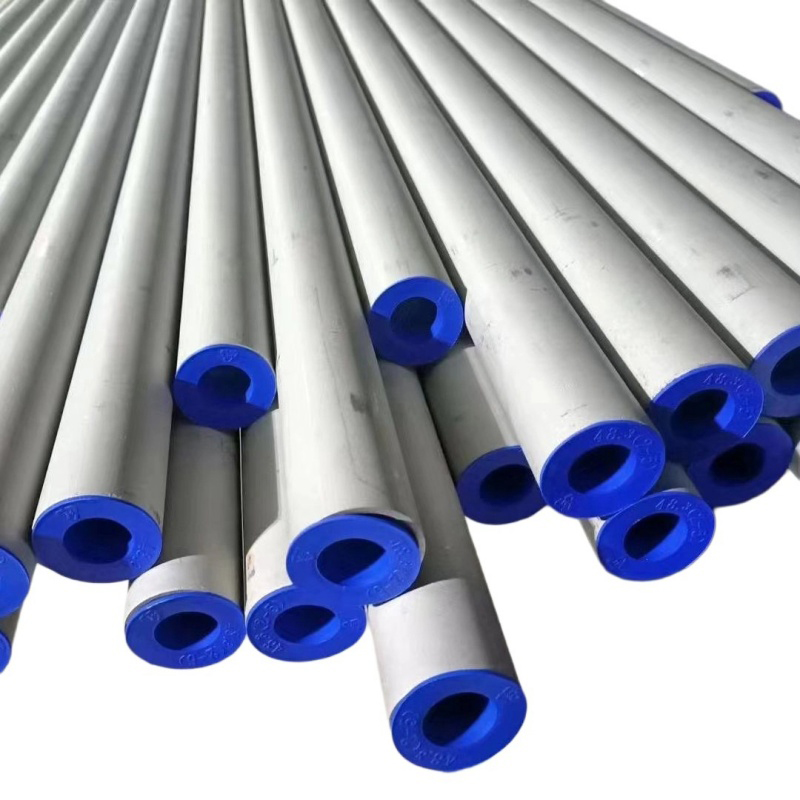
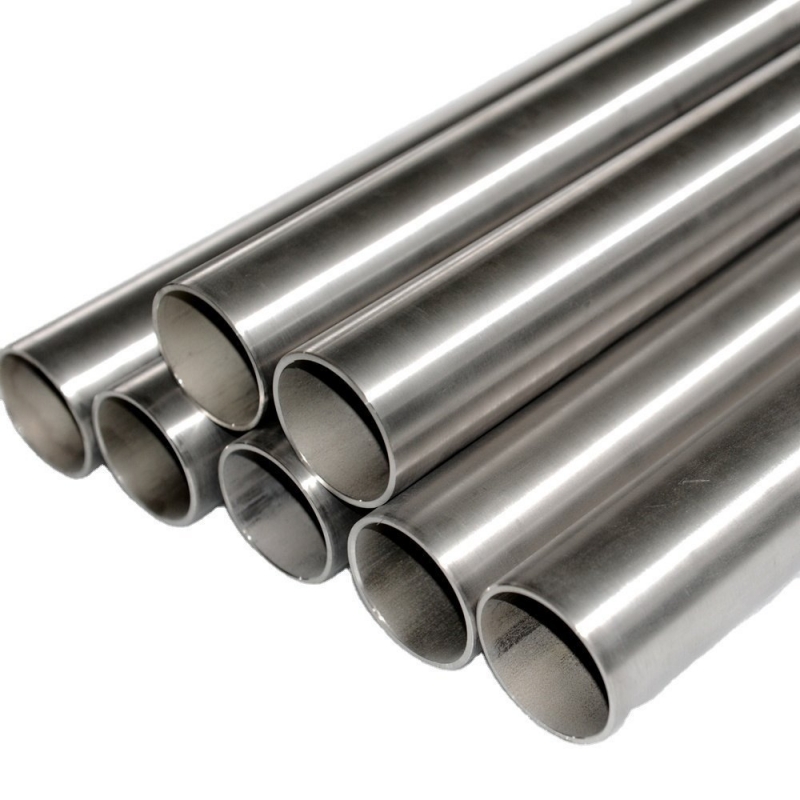
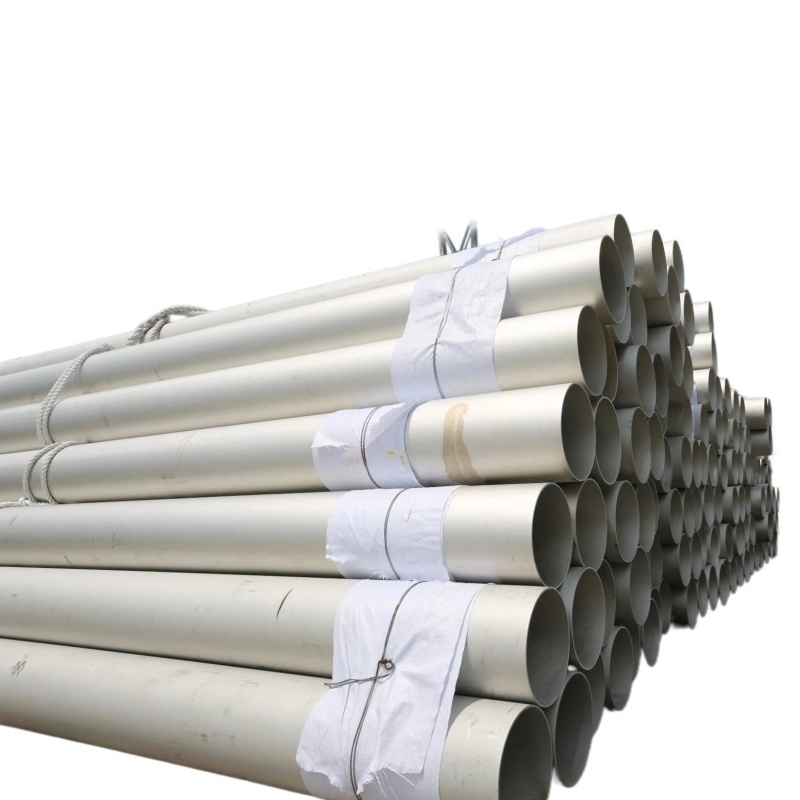
 Sanitary-Grade Stainless Steel Pipe for Drinking WaterThin-walled 300-series stainless pipe for potable-water supply, with smooth inner surfaces and corrosion resistance suited to sanitary piping.View Product →
In chemical and petrochemical lines, chromium content must survive both the medium and the temperature, which is where a 304 seamless pipe with controlled chemistry still has a place:
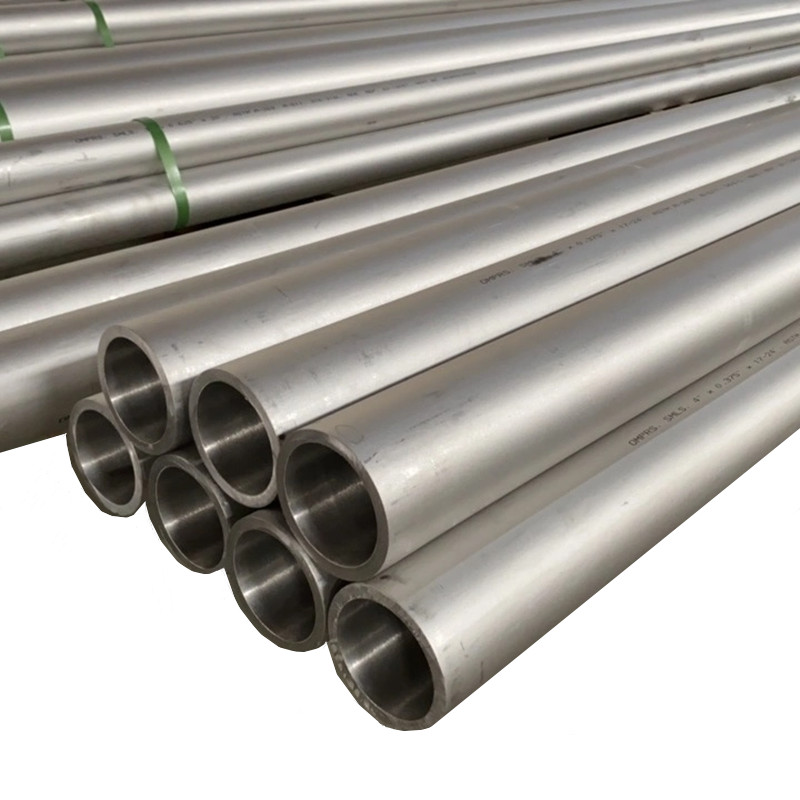
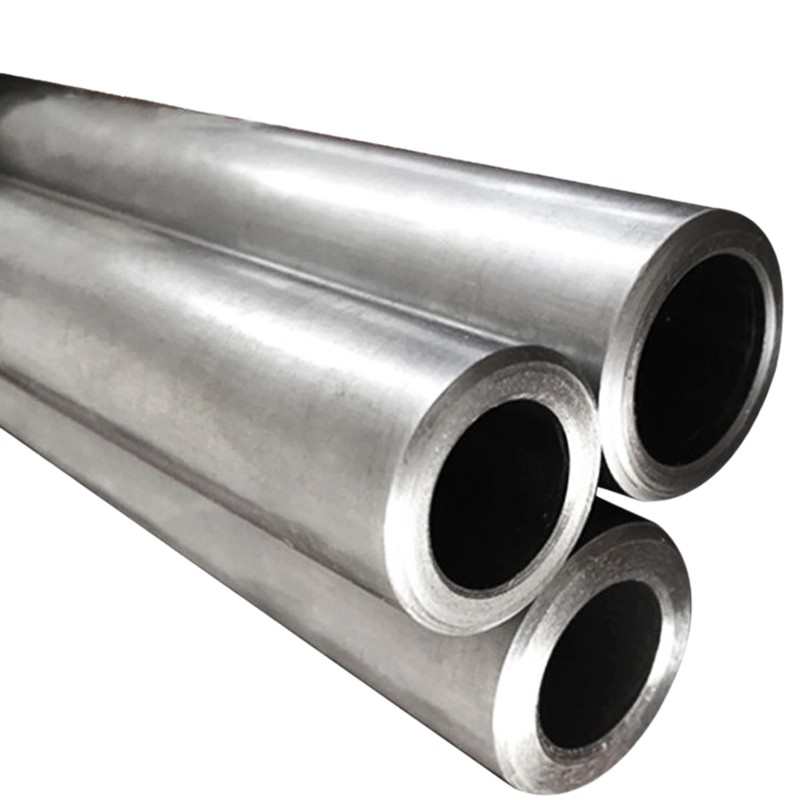
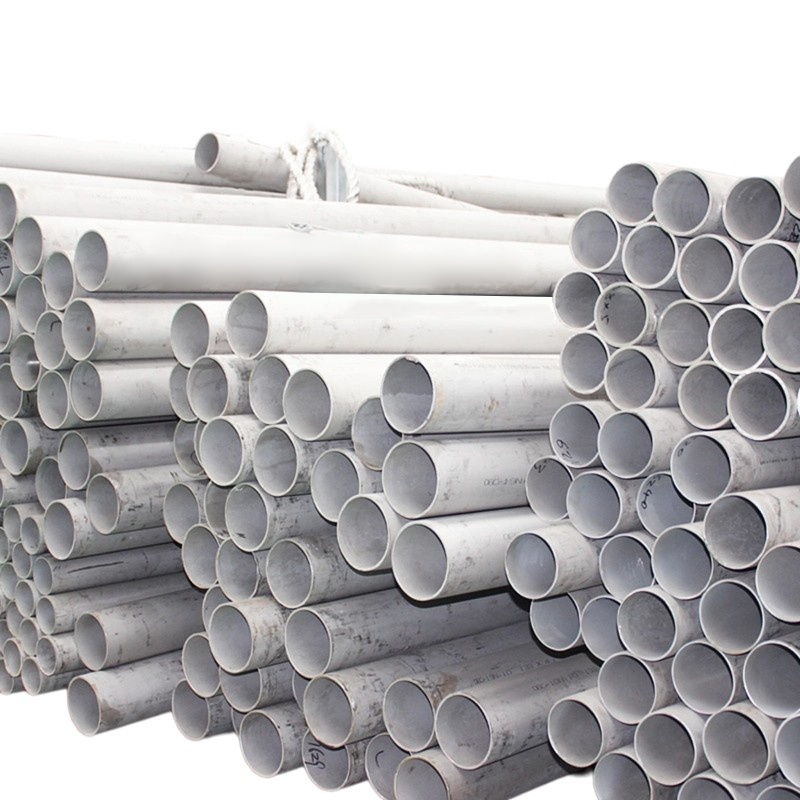
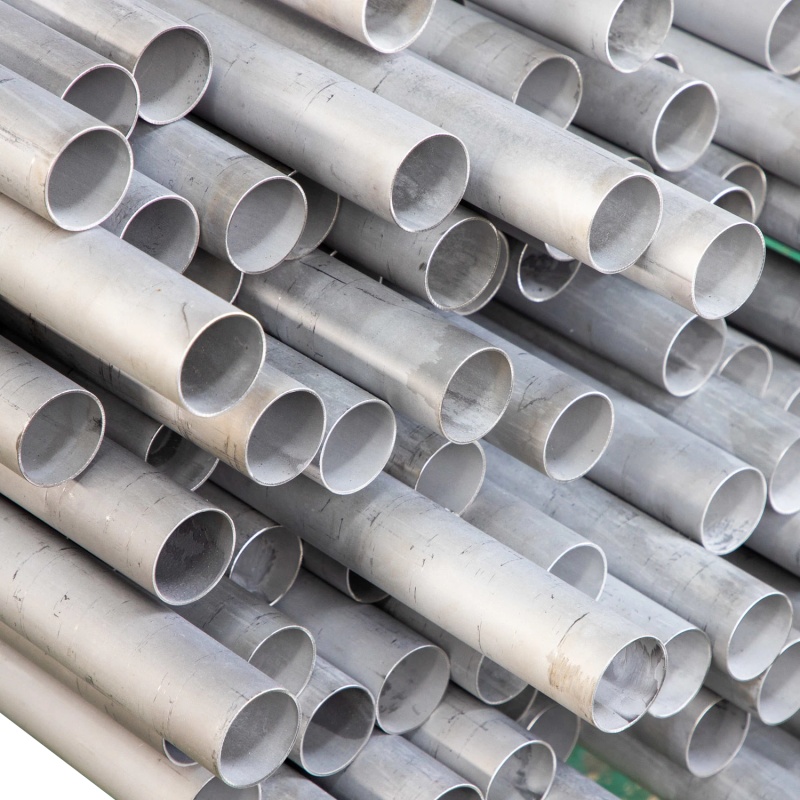 304 Stainless Steel Seamless Chemical PipeHot-rolled 304 seamless pipe for chemical transport and processing, with corrosion and high-temperature resistance in a 114 mm OD format.View Product →
For instrumentation, the film quality matters as much as the percentage — a polished bore keeps both corrosion and measurement drift in check:
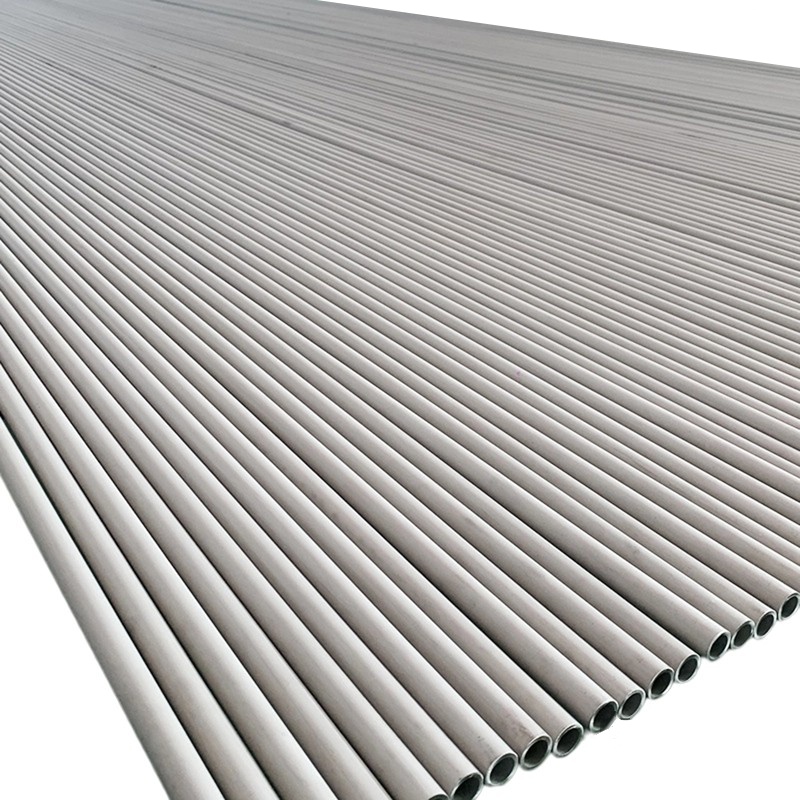
 Polished Stainless Steel Instrument Tubing for Control FlowSeamless ASTM A269 instrumentation tubing with polished surfaces and tight tolerances, designed for flow control and fitting connections in process systems.View Product →
Quick Checks Before You Order
- Ask for the mill test certificate and read the chromium and nickel columns, not just the grade stamp.
- Confirm the product standard — ASTM A312, A249, A269 or JIS G3459 — and check the chemistry limits it imposes.
- Match chromium content to the chloride level and temperature of the actual service, not the general industry.
- Verify that surface treatment after fabrication will not leave free iron that blocks the passive film.
- Treat magnetic response as irrelevant to chromium content; 430 and 18/0 are both magnetic and both contain chromium.
So the answer stays simple: all stainless steel contains chromium, at 10.5% or more, and that is precisely what separates it from every other steel you could put in a pipeline. The engineering judgement lies in choosing how much, paired with which other elements, and finished to what surface condition. If you are weighing grades for a specific line, our team is happy to look at the service conditions with you and recommend a starting point.