
 English
 русский
Content
- 1 What the 1.4404 Number Actually Tells You
- 2 Chemical Composition
- 3 Mechanical and Physical Data
- 4 Where the Low Carbon Earns Its Keep
- 5 Fabrication Notes from the Shop Floor
- 6 Surface Finish Choices: BA, EP and MP
- 7 Typical Service Areas for 1.4404 Pipe and Tube
- 8 1.4404 Against Its Nearest Neighbours
- 9 What to Write on the Purchase Order
Every few weeks a drawing lands on our desk with "1.4404" written in the material column, and the email that follows usually asks the same question: is this simply 316L wearing a different name? The short answer is yes. 1.4404 is the EN material number for the low-carbon, molybdenum-bearing austenitic stainless steel that most of the world calls AISI 316L or UNS S31603. The longer answer is that the number points to a specific European specification, and that distinction matters when the mill certificate has to match the drawing, the pressure design code and the client's own material database.
We have been making stainless pipe and tube for over sixteen years, and 1.4404 remains one of the grades we run most often. What follows is the practical view: what the grade contains, how it behaves, where it is genuinely the right choice, and where it quietly disappoints.
What the 1.4404 Number Actually Tells You
The EN numbering system is not random. The 1.44xx block covers austenitic stainless steels with a deliberate molybdenum addition, and the full designation behind 1.4404 is X2CrNiMo17-12-2. Read that string and you already have the story: roughly 17% chromium, 12% nickel, 2% molybdenum, and an "X2" prefix indicating a carbon level of about 0.03% or below.
Common cross-references you will meet on purchase orders and drawings include:
- EN 1.4404 / X2CrNiMo17-12-2 (EN 10088-1)
- AISI 316L and UNS S31603 (ASTM/ASME)
- JIS SUS316L
- ISO grade designation 4404-316-03-I
The relationship to 1.4401 (plain 316) is the one people ask about most. Chemically the two are close cousins; the difference is the carbon ceiling, 0.07% for 1.4401 against 0.03% for 1.4404. That single change is why 1.4404 survives welding without chromium carbide precipitation along the grain boundaries, and it is the reason the L grades largely replaced the standard grades in welded process equipment.
Chemical Composition
The table below reflects the ranges we work to for pipe and tube under EN 10088 and the ASTM product specifications. Actual heats usually sit comfortably inside the mid-range, and a certificate showing chromium near the top of the range is generally a good sign for corrosion performance.
| Element | C | Si | Mn | P | S | Cr | Ni | Mo | N |
|---|---|---|---|---|---|---|---|---|---|
| Content (%) | ≤0.03 | ≤1.00 | ≤2.00 | ≤0.045 | ≤0.015 | 16.5–18.5 | 10.0–13.0 | 2.00–2.50 | ≤0.10 |
If you want a fuller walkthrough of how each element drives performance, we keep a longer note on 1.4404 material composition, properties and uses that goes element by element.
Mechanical and Physical Data
Numbers quoted for 1.4404 depend heavily on product form and condition, so treat any single figure with suspicion. The values below are for the solution-annealed condition in which pipe and tube normally ship.
| Property | Typical value | Why it matters |
|---|---|---|
| 0.2% proof strength | ≥190 MPa | Sets allowable design stress |
| Tensile strength | 490–690 MPa | Safety margin before rupture |
| Elongation | ≥40% | Formability and bend radius |
| Hardness | ≤95 HRB | Machinability and cold forming |
| Density | 8.0 g/cm³ | Weight and support loading |
| Melting range | 1370–1400 °C | Limits for high-temperature service |
| Thermal conductivity | ≈15 W/m·K at 20 °C | Heat exchanger duty |
| Mean expansion, 20–100 °C | 16.0 ×10⁻⁶ /K | Expansion loops and fit-up gaps |
| Modulus of elasticity | 200 GPa | Deflection and vibration analysis |
| PREN (Cr + 3.3Mo + 16N) | ≈24–26 | Comparative pitting resistance |
Where the Low Carbon Earns Its Keep
Molybdenum is the reason 1.4404 handles chlorides and reducing acids far better than a plain 18-8 grade. Add the low carbon content and you get a material that can be welded into vessels, spools and headers without a post-weld solution anneal in most wall thicknesses, because there is not enough carbon left to form continuous chromium carbide networks in the heat-affected zone.
That said, we are careful not to oversell it. 1.4404 is not a chloride-proof alloy. In stagnant, chloride-bearing water it can pit, and under thermal insulation or in crevices it will suffer under-deposit attack like any austenitic grade. Above roughly 60 °C with meaningful chloride concentration, chloride stress corrosion cracking becomes a real risk, and no amount of certificate paperwork prevents it. Where a client's process sits in that territory, we usually steer the conversation toward duplex or a higher-alloy austenitic rather than trying to make 1.4404 do a job it was never designed for.
Fabrication Notes from the Shop Floor
Welding
All the standard processes work: TIG, MIG, shielded metal arc and autogenous orbital welding. Use a matching 316L filler (ER316L or E316L-16) and keep heat input modest. The trap we see most often is over-dilution on thin-wall autogenous joints and excessive weave on thick sections; both raise ferrite content and reduce corrosion resistance in the weld zone. Brushing with a carbon steel wire brush is another classic mistake that leaves free iron behind.
Cold forming
1.4404 work-hardens quickly. Bending is straightforward at moderate radii, but tight radii and repeated forming steps need intermediate annealing, or the tube will crack and the hardness will climb well above specification.
Machining
It is gummy rather than hard. Sharp tools, positive rake, generous feed and plenty of coolant get the job done; light finishing passes simply polish the surface and work-harden it further.
Surface Finish Choices: BA, EP and MP
For hygienic and high-purity service, the alloy is only half the decision — the bore finish does the rest. Bright annealing gives a clean, oxide-free surface with good roughness figures and is the common default for instrumentation and general process tubing. Electropolishing goes further, stripping the outer skin to leave a smooth, chromium-enriched surface that resists product adhesion. Mechanical polishing sits between the two on cost and delivers the mirror look some clients specify visually.
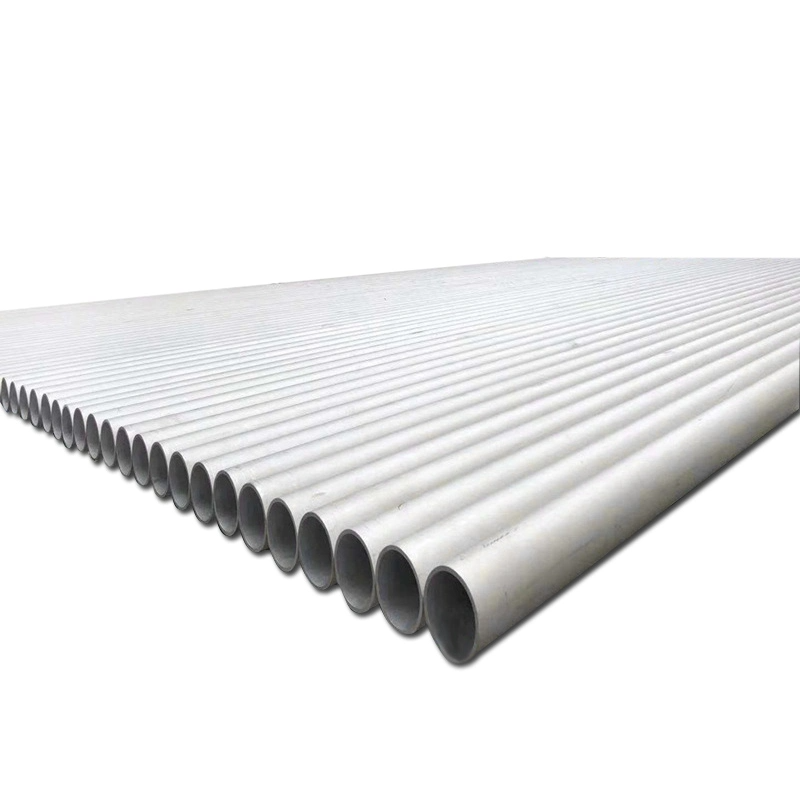
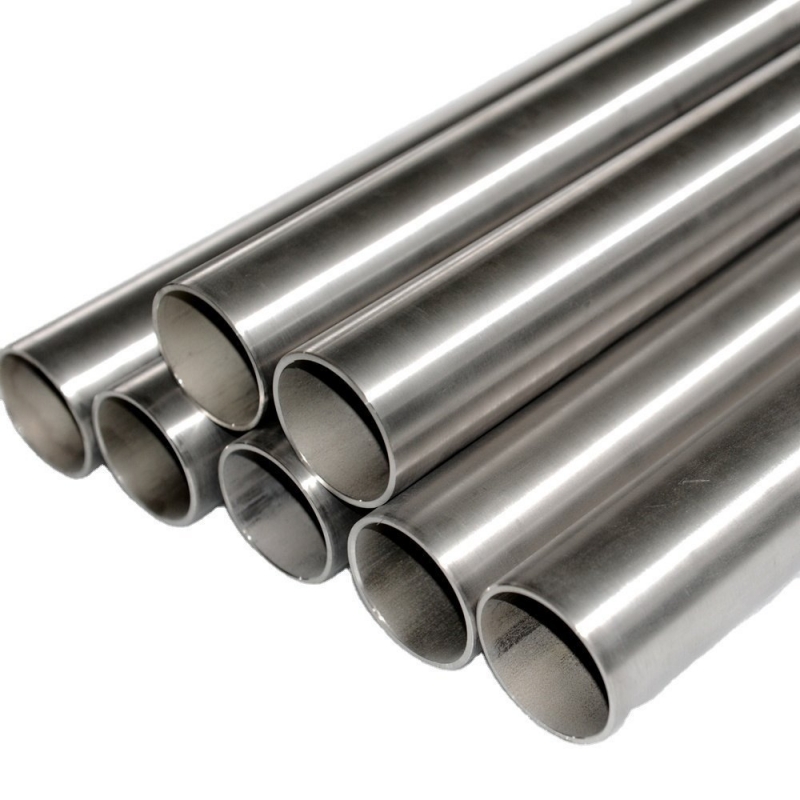
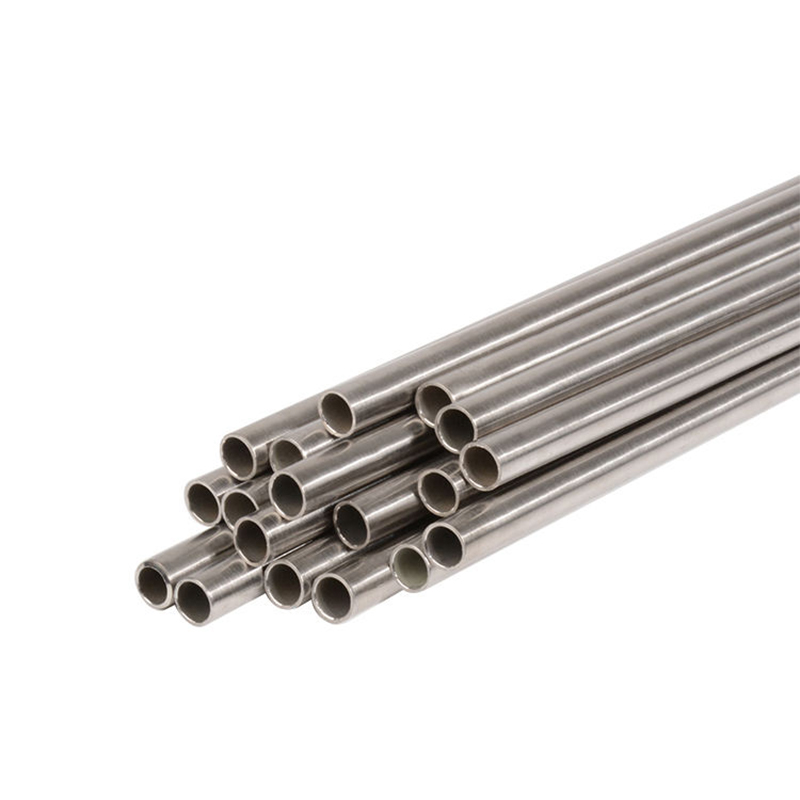 Stainless Steel Bright Annealing Tube and PipeArgon bright annealing produces a clean, oxide-free surface without pickling, suited to instrumentation and process tubing where bore finish matters.View Product →
Roughness is worth agreeing in numbers rather than adjectives. "Bright" and "smooth" mean very different things to a fabricator and a quality inspector, and arguments at final inspection are almost always about an Ra value nobody wrote down.
Typical Service Areas for 1.4404 Pipe and Tube
Chemical and petrochemical processing is the largest single home for the grade: reactor feed lines, acid transfer, tank farm piping and general corrosive service. Heat exchangers and condensers use it widely because the molybdenum addition copes with cooling water chemistry that would chew through 304L. The hygienic side of the business — dairy, brewing, pharmaceutical, food — relies on 1.4404 for product contact surfaces where cleaning regimes are aggressive.
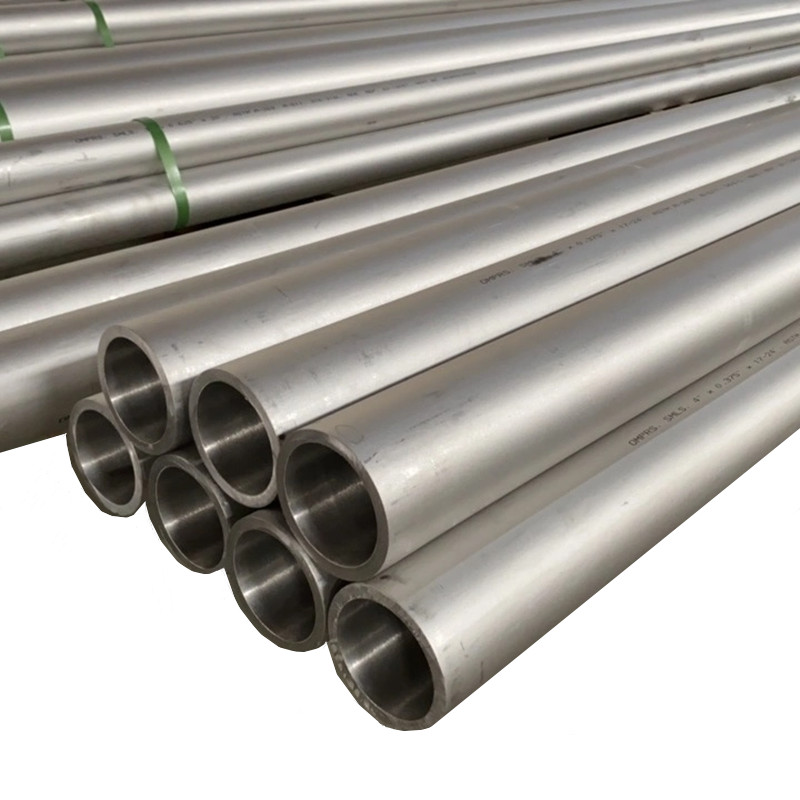
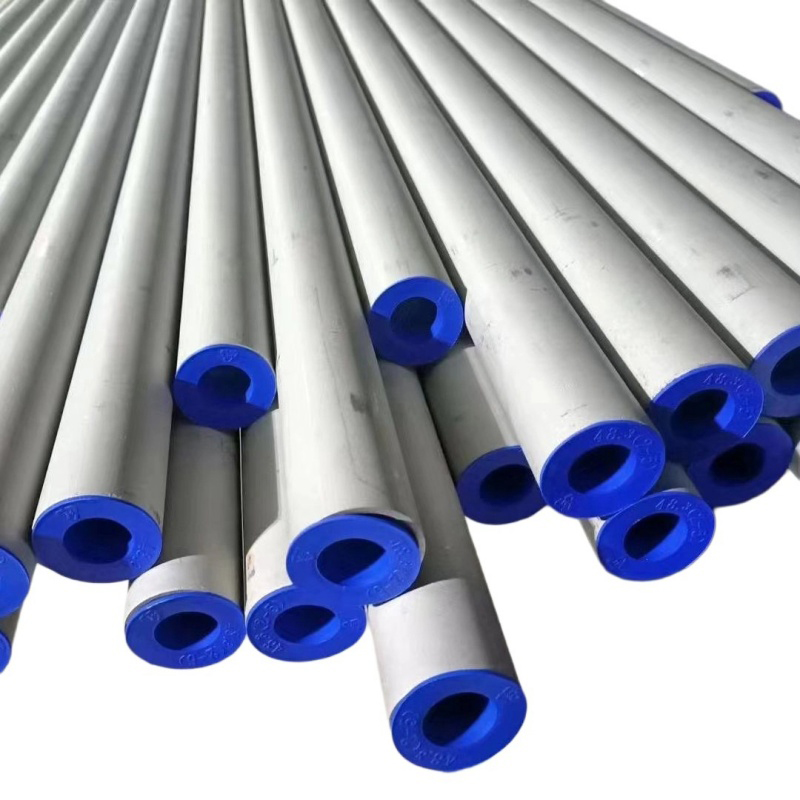
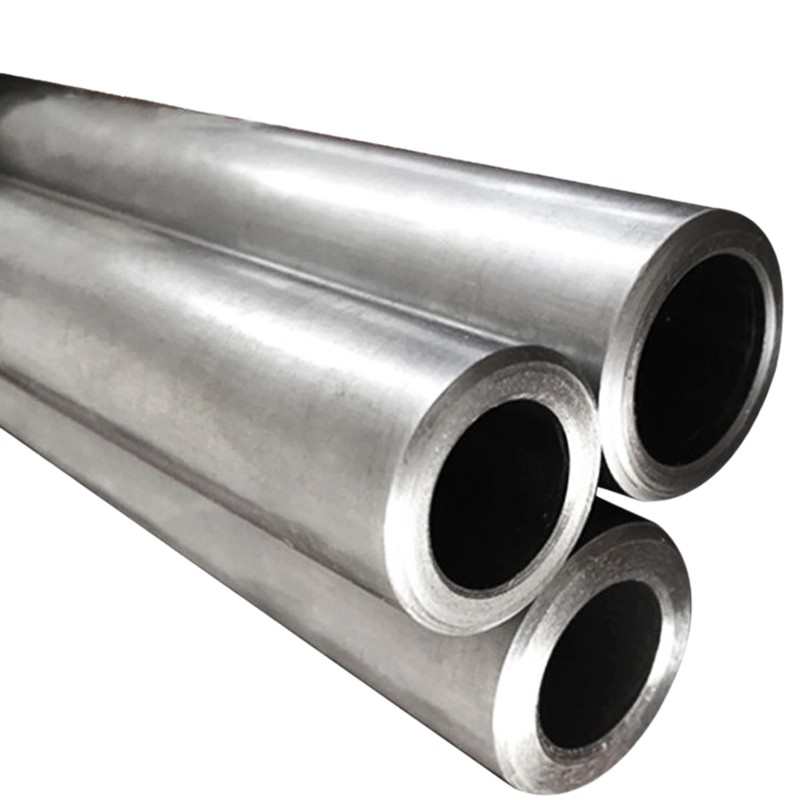
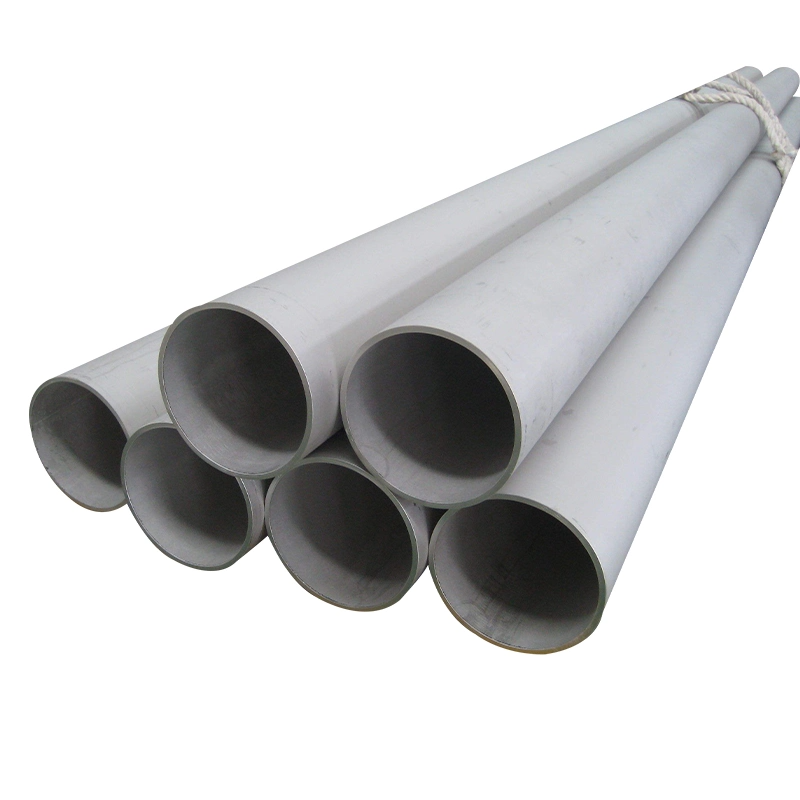 316 Stainless Steel Sch40 Chemical PipeA 316 seamless chemical pipe for corrosive and high-temperature media, with Sch40 sizing and broad OD/wall-thickness options.View Product →
Coastal and marine environments are another natural fit, from shipboard piping to architectural work near salt water, though we always ask about splash zone exposure before recommending it. Desalination, pulp and paper, and medical gas systems round out the list.
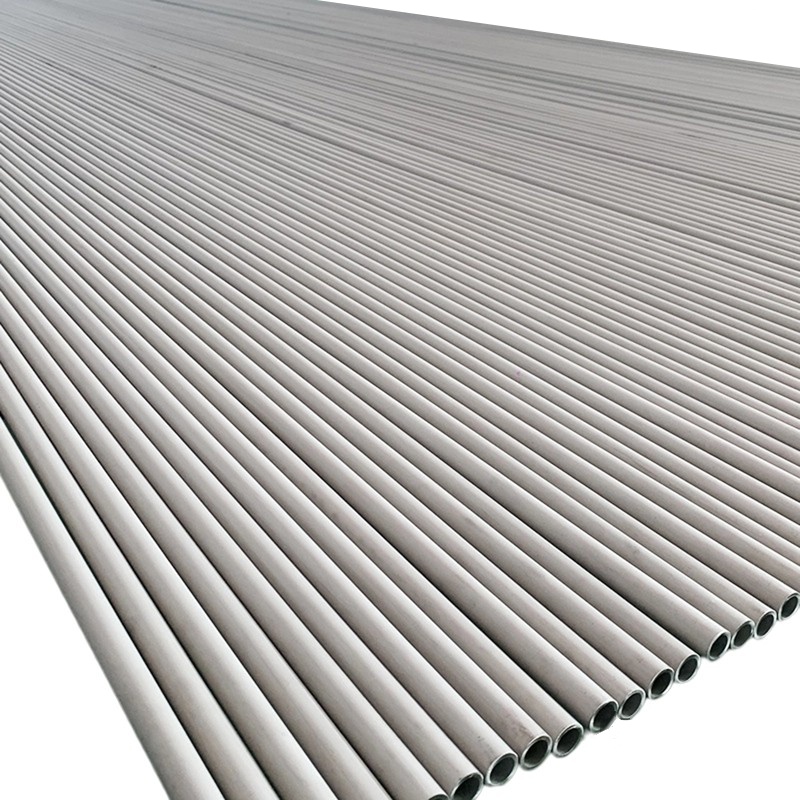
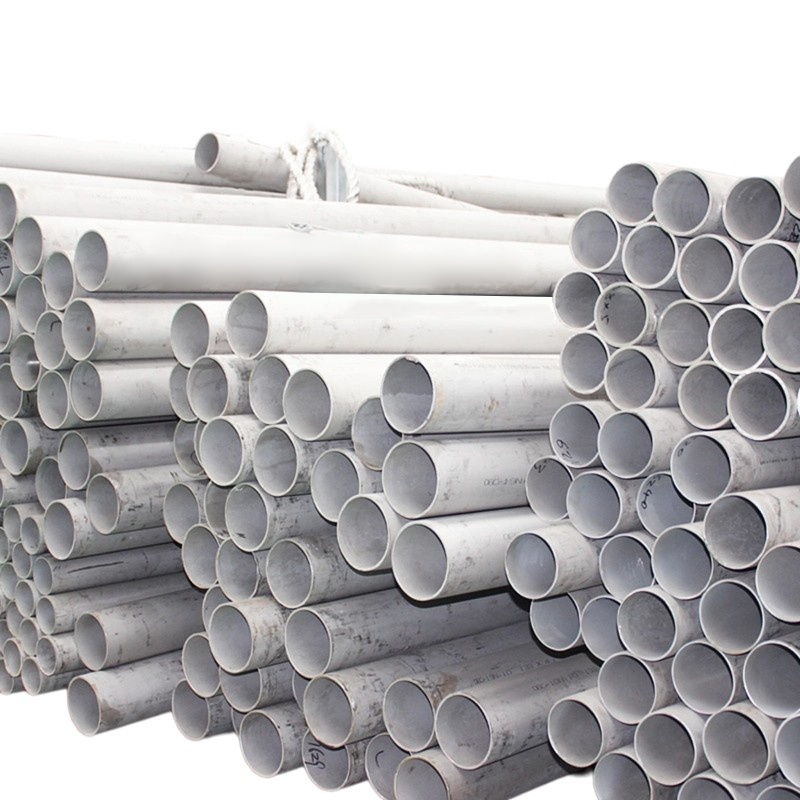
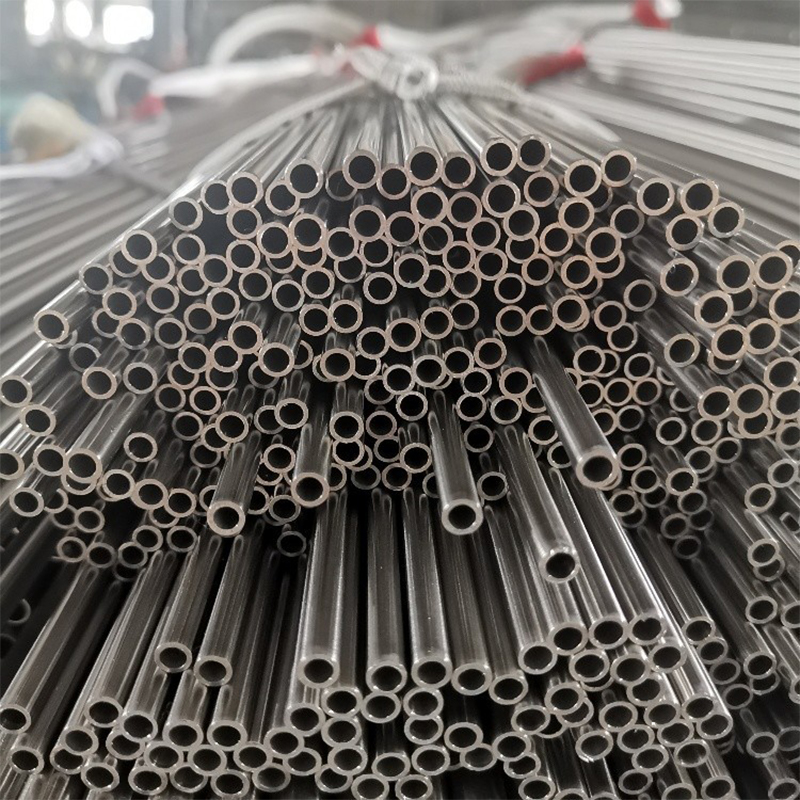 316 Sanitary Stainless Seamless Steel TubeA polished, seamless sanitary tube for food, dairy, pharmaceutical and bioengineering lines, designed for easy cleaning and fluid purity.View Product →
1.4404 Against Its Nearest Neighbours
Most grade confusion we see comes from three or four alloys that sit within a stone's throw of each other. The comparison below is the one we sketch on the whiteboard most often.
| Grade | UNS / AISI | Max carbon | Molybdenum | Typical role |
|---|---|---|---|---|
| 1.4307 | S30403 / 304L | 0.03% | None | General service, lower cost |
| 1.4401 | S31600 / 316 | 0.07% | 2.0–2.5% | Heavy sections, non-welded parts |
| 1.4404 | S31603 / 316L | 0.03% | 2.0–2.5% | Welded and hygienic systems |
| 1.4432 | 316L with higher Mo | 0.03% | 2.5–3.0% | More aggressive chloride duty |
| 1.4462 | S32205 / 2205 | 0.03% | 3.0% plus N | High chloride, high strength |
What to Write on the Purchase Order
The gap between a good and a bad 1.4404 delivery is rarely the alloy itself; it is the paperwork and the tolerances. A few items worth stating explicitly:
- Governing standard — EN 10216-5, EN 10217-7, ASTM A312, A213, A269 or A249 depending on whether you are buying pressure pipe, heat exchanger tube or hygienic tube.
- Inspection documents at EN 10204 3.1, with heat number traceable to the tube.
- Test regime: hydrostatic or eddy current, flattening, and intergranular corrosion testing where the service demands it.
- Condition — solution annealed, bright annealed, pickled and passivated, or electropolished, with a stated Ra.
- Tolerances on outside diameter, wall thickness and straightness, since these drive fabrication yield more than price per kilogram.
Our size and composition comparison table is a useful starting point when you need to match a drawing to something we actually roll.
1.4404 is not a glamorous grade. It is the dependable middle of the stainless family: broad enough in corrosion resistance to handle most process duty, tough enough to weld and bend without drama, and well documented enough that everyone from the designer to the inspector knows what to expect. Get the specification, finish and documentation right at the ordering stage, and it will quietly serve for decades.