
 English
 русский
Content
- 1 Core characteristics of stainless steel boiler tube
- 2 Common stainless grades used for boiler tubes and what they solve
- 3 Applications of stainless steel boiler tube in real systems
- 4 Selection checklist that avoids costly misapplication
- 5 Design, fabrication, and inspection considerations
- 6 Common failure modes and practical prevention
- 7 Conclusion
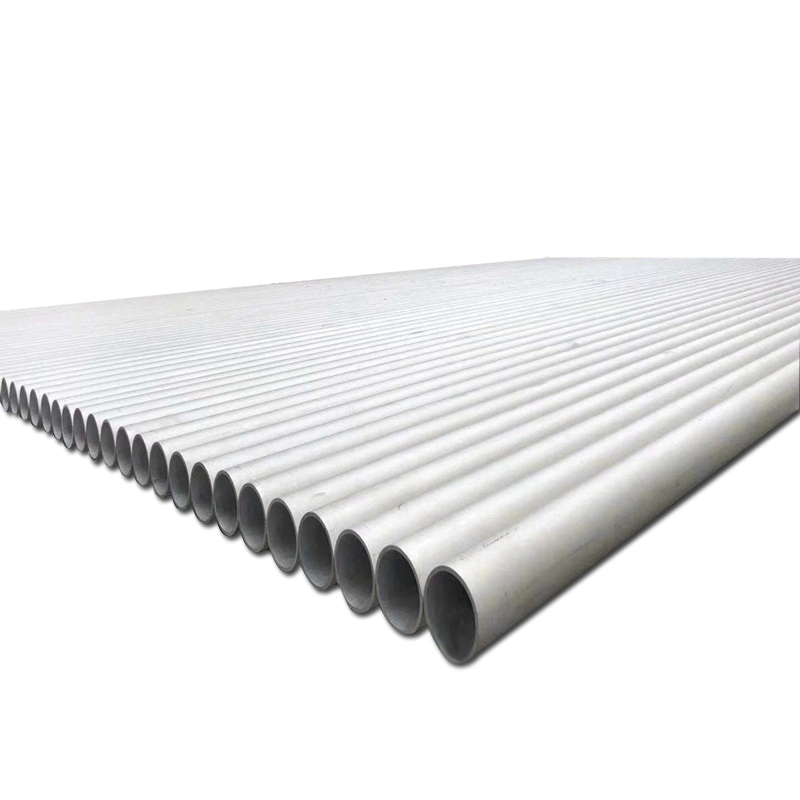
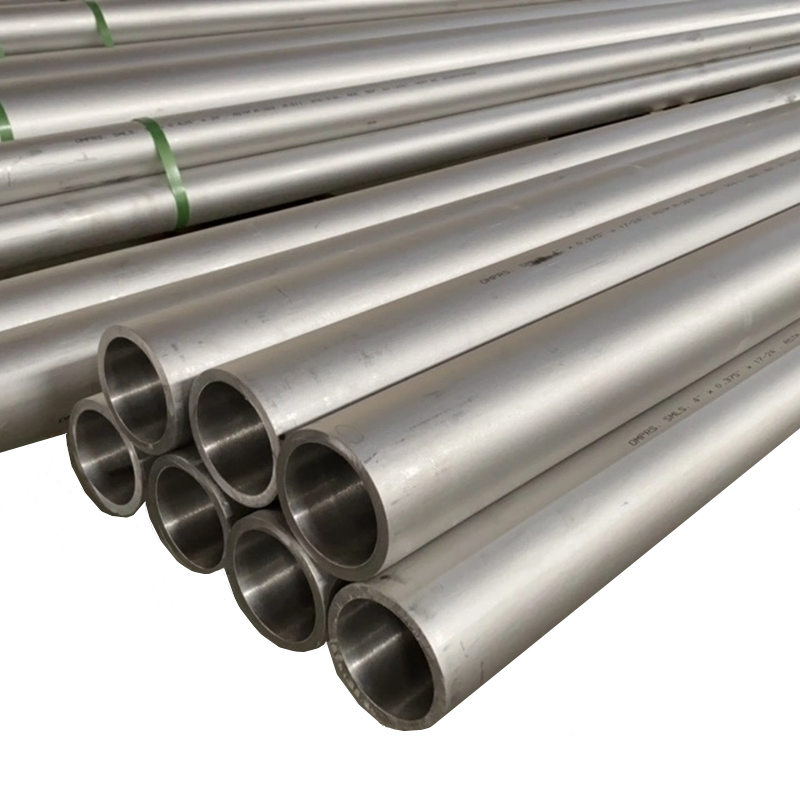
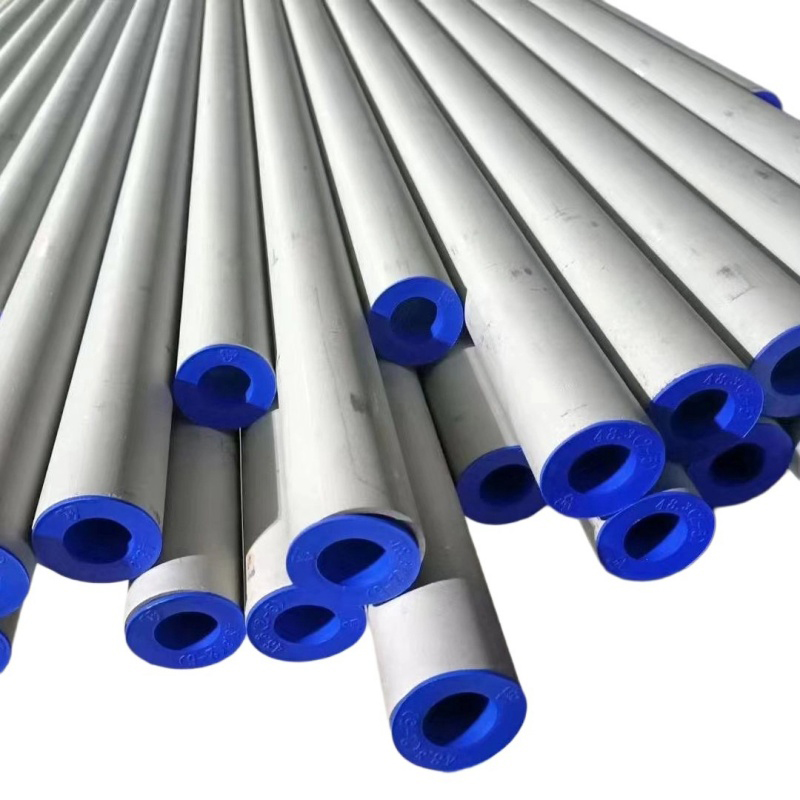
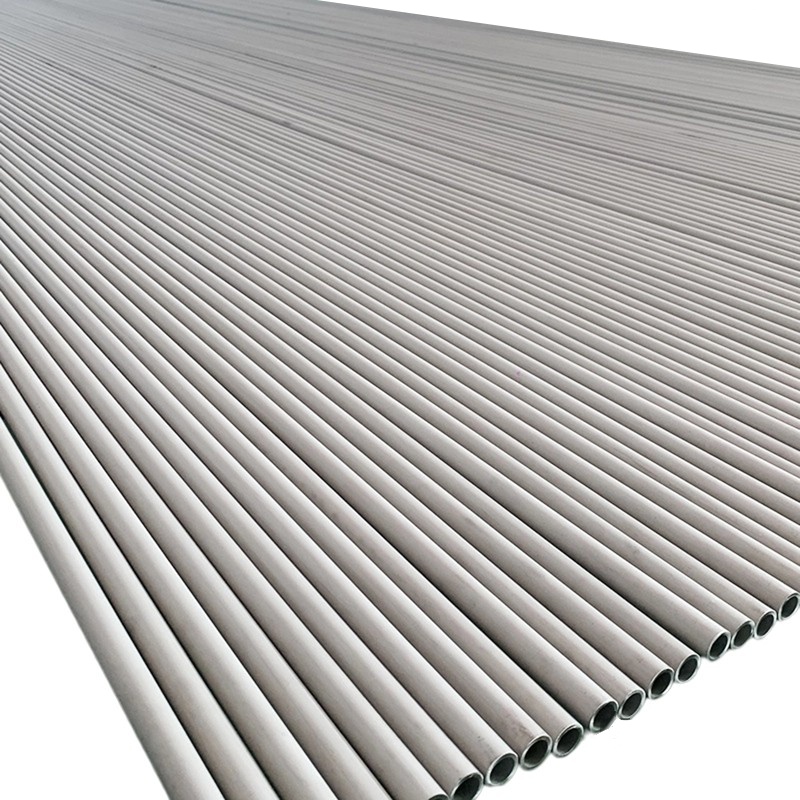
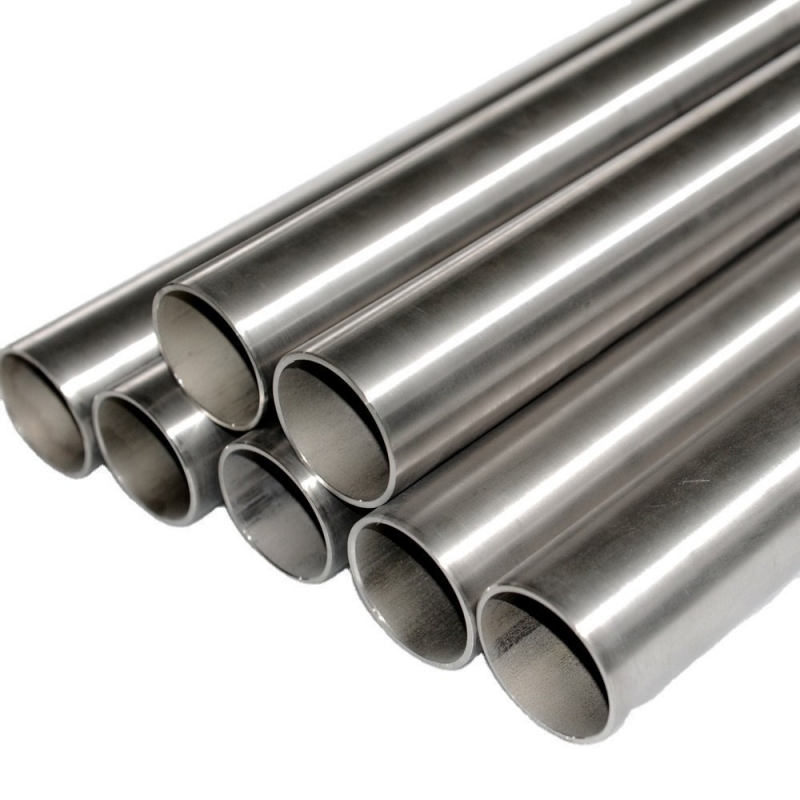
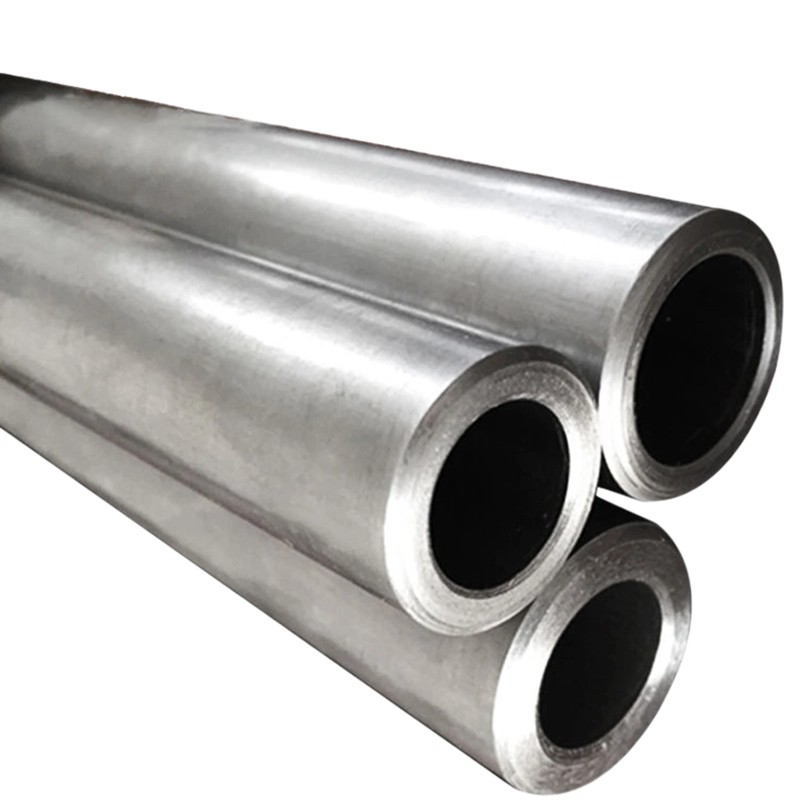
Stainless steel boiler tube is selected when corrosion resistance and high-temperature oxidation resistance are more critical than lowest material cost. In practice, it is widely used in superheaters, reheaters, economizers, and heat-recovery systems—especially where flue-gas corrosion, acidic condensate, or higher steam temperatures accelerate failure in carbon/alloy steel.
- Primary value: improved resistance to oxidation/scaling and many wet-corrosion mechanisms.
- Best-fit applications: high-temperature tube banks (superheater/reheater) and corrosive cold-end sections (economizer/condensing zones).
- Key trade-offs: higher cost, lower thermal conductivity, and higher thermal expansion than carbon steel—affecting design and supports.
Core characteristics of stainless steel boiler tube
Corrosion resistance that reduces tube wastage
Stainless steel forms a chromium-rich passive film that improves resistance to many aqueous and flue-gas-related corrosion modes. This is particularly valuable in boilers burning sulfur-bearing fuels, biomass, municipal solid waste, or in units with frequent cycling where condensate forms on cooler tube surfaces.
High-temperature oxidation and scaling performance
In hotter sections, stainless grades maintain better oxidation resistance than plain carbon steel, helping stabilize heat transfer and reduce scale spallation that can lead to blockages or erosion downstream. Austenitic stainless grades are commonly applied in tube banks exposed to elevated metal temperatures in superheaters and reheaters.
Strength and creep behavior at elevated temperature
For sustained high-temperature service, material selection must consider creep rupture strength and allowable stress, not just room-temperature tensile values. Grades developed for boiler duty (for example, “H” variants or stabilized grades) are used where long-term exposure is expected.
Thermal properties that influence design
Compared with carbon steel, stainless steel typically has lower thermal conductivity (often ~15 W/m·K) and higher thermal expansion (often ~16–17 µm/m·K). These differences can increase metal temperature for the same duty and can raise thermal stress if expansion is restrained—so supports, clearances, and tube-to-header details matter.
Common stainless grades used for boiler tubes and what they solve
Stainless steel boiler tube selection is usually a balance of temperature capability, corrosion mechanism, and fabrication constraints. The list below highlights practical roles rather than exhaustive metallurgy.
- 304/304H: general-purpose austenitic choice for moderate-to-higher temperature tube banks where oxidation resistance is needed and chloride exposure is limited.
- 316/316H: improved resistance to certain wet corrosion environments due to molybdenum; often used where acidic condensate or halides are more likely (still requires chloride stress-corrosion cracking awareness).
- 321/347 (stabilized): reduces sensitization risk in welded zones; used when weld integrity and intergranular corrosion resistance are key, especially in cyclic service.
- 310S: higher chromium and nickel for stronger oxidation resistance in hotter gas paths; considered where metal temperatures trend higher and scaling margins are tight.
- Duplex stainless (where applicable): higher strength and improved resistance to some chloride-related corrosion, but requires tighter welding control and confirmation of suitability for the specific temperature regime.
| Service condition in boilers | Typical risk driver | Practical stainless approach |
|---|---|---|
| Superheater / reheater tube banks | Oxidation, scaling, creep exposure | Use “H” or high-temp-oriented grades; verify allowable stress for design life |
| Economizer cold-end / condensing zones | Acidic condensate, dew-point corrosion | Consider 316/316H or other corrosion-focused selection; control water-side chemistry |
| Waste-to-energy / biomass boilers | Chlorides, alkali salts, aggressive deposits | Select grade based on deposit chemistry; combine with sootblowing strategy and surface protection where needed |
| Cycling units and frequent startups | Thermal fatigue, weld sensitization | Prefer stabilized grades and qualified welding procedures; confirm expansion allowances |
Applications of stainless steel boiler tube in real systems
Stainless steel boiler tubes are applied where they most directly reduce downtime or extend run length. The following are the most common, high-value placements.
Superheaters and reheaters
In superheater and reheater sections, tube metal temperatures can be high enough that oxidation and scale growth drive wall loss and heat-transfer instability. Stainless selections can reduce scaling tendency and improve resistance to hot gas corrosion, particularly where deposits form.
Heat Recovery Steam Generators (HRSG) in combined-cycle plants
HRSGs face frequent thermal transients. Stainless steel boiler tube may be used in sections that experience cyclic condensation, oxygen ingress risks, or temperature swings—paired with strict water chemistry and startup/shutdown procedures to limit fatigue and corrosion.
Economizers and low-temperature, high-corrosion zones
Cold-end corrosion can be severe if flue gases cross acid dew point. Stainless tubes are often justified when a unit cannot consistently keep surfaces above dew point or where fuel variability causes frequent excursions. In these cases, tube life improvement is typically measured in outage avoidance, not only in wall-thickness retention.
Waste-to-energy, biomass, and chemical recovery boilers
These boilers often generate chloride-rich or alkali-rich deposits that intensify corrosion. Stainless steel boiler tube can be deployed in targeted panels or banks, frequently combined with operational controls (deposit management) and, when necessary, surface engineering solutions.
Selection checklist that avoids costly misapplication
A stainless grade that performs well in one boiler zone can fail quickly in another. Use this practical checklist before specifying stainless steel boiler tube.
- Define the dominant damage mechanism: oxidation/scaling, acid dew-point corrosion, chlorides, erosion, or thermal fatigue.
- Estimate tube metal temperature (not only steam temperature). A small metal-temperature increase can materially change oxidation and creep margins.
- Check water/steam chemistry constraints: oxygen control, pH targets, and chloride limits to reduce pitting and stress-corrosion cracking.
- Confirm fabrication route: seamless vs welded, bending requirements, and qualified welding procedures for the chosen grade.
- Validate inspection and QA expectations: PMI, eddy-current testing, hydrotest, dimensional tolerances, and traceability.
Decision rule that holds up in procurement: specify stainless steel boiler tube only after linking the grade to a defined corrosion/temperature problem and a measurable reliability target (for example, run length through the next outage cycle).
Design, fabrication, and inspection considerations
Codes, standards, and typical ordering details
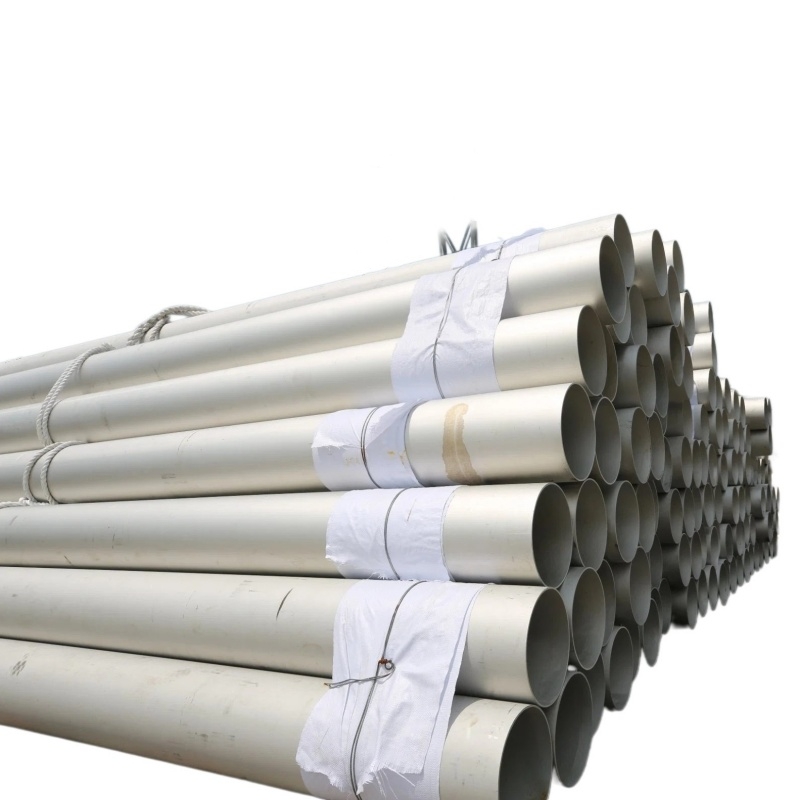
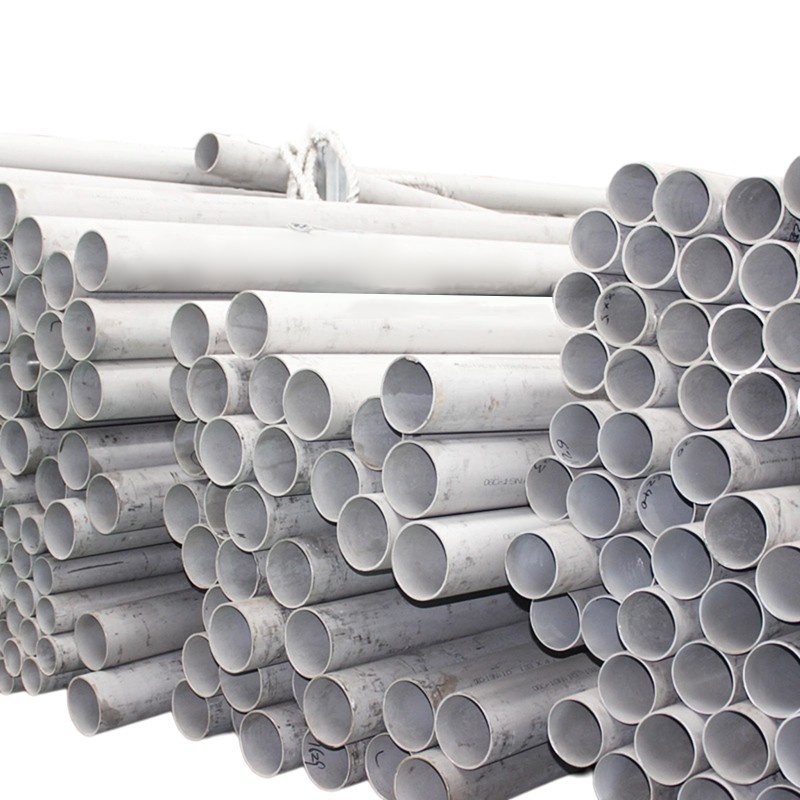
Stainless steel boiler tube is commonly ordered under boiler/heat-exchanger tubing specifications (for example, ASTM-style tubing standards and comparable EN standards), with key purchase controls including OD, wall thickness, length, surface finish, heat treatment condition, and NDE requirements. Ensure the order clearly states the service section (economizer vs superheater) so the supplier aligns heat treatment and testing to duty.
Welding and sensitization control
Stainless-to-stainless and stainless-to-alloy transitions require qualified procedures, filler selection, and heat input control. Stabilized grades (such as 321/347) or low-carbon variants can reduce intergranular corrosion risk around welds in cyclic or moderately corrosive environments.
Commissioning and surface condition
After fabrication, surface contamination (iron pickup, weld heat tint) can reduce corrosion performance. Cleaning, pickling/passivation practices (as applicable), and controlled layup procedures help preserve the passive film and reduce early-life corrosion issues.
Inspection planning
Plan inspection based on expected damage: UT for wall loss, eddy-current for tubing condition, and targeted checks at bends, attachment welds, and cold-end zones. Include a baseline thickness map after installation to quantify rate-of-change during operation.
Common failure modes and practical prevention
Chloride stress-corrosion cracking (SCC)
Austenitic stainless steels can be susceptible to SCC when tensile stress, temperature, and chlorides coincide. Mitigate by limiting chloride contamination, preventing stagnant wet deposits, reducing residual stress where feasible, and selecting grades aligned to the chloride and temperature profile.
Pitting and crevice corrosion in wet zones
Local corrosion often initiates under deposits, at crevices, or where oxygen differentials occur. Maintain water chemistry discipline, improve drainage and cleanliness in off-line conditions, and address design crevices that trap condensate or deposits.
Higher thermal expansion and cycling can elevate fatigue risk if supports restrain movement. Confirm hanger/support design, tube spacing, and anti-vibration measures; validate startup/shutdown ramp rates where operationally possible.
- Fast win: align tube material selection with a chemistry control plan and an inspection baseline from day one.
- Most overlooked: thermal expansion allowances and support details in retrofits where stainless replaces carbon steel in the same geometry.
Conclusion
The defining characteristics and applications of stainless steel boiler tube are reliability-driven: it is applied where corrosion and oxidation dominate tube life, commonly in superheaters, reheaters, economizers, HRSG sections, and corrosive-fuel boilers. The best results come from matching the grade to the specific damage mechanism, then supporting it with correct welding practice, water chemistry control, and inspection planning.