
 English
 русский
Content
- 1 Industries that most commonly specify sanitary stainless steel seamless tubes
- 2 Biopharmaceutical and pharmaceutical manufacturing
- 3 Food and beverage processing
- 4 Dairy and aseptic processing
- 5 Cosmetics and personal care manufacturing
- 6 Semiconductor and electronics (high-purity chemical systems)
- 7 Medical devices, laboratories, and clean-instrument systems
- 8 What “sanitary” typically implies in seamless stainless tubing
- 9 Quick comparison table: industry use-cases and typical sanitary expectations
- 10 A practical buying checklist for sanitary stainless steel seamless tubes
- 11 Bottom line
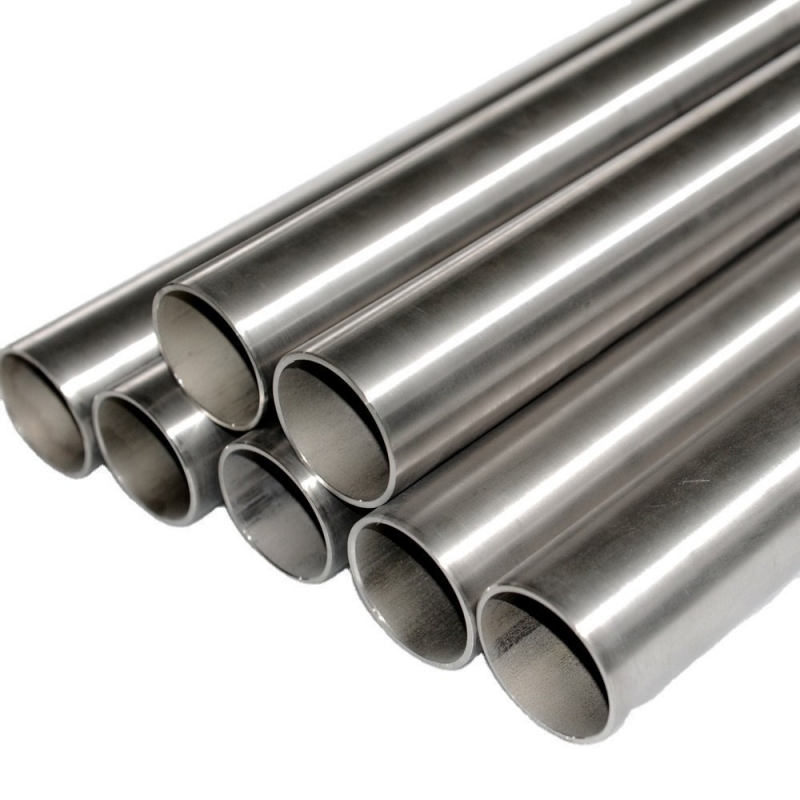
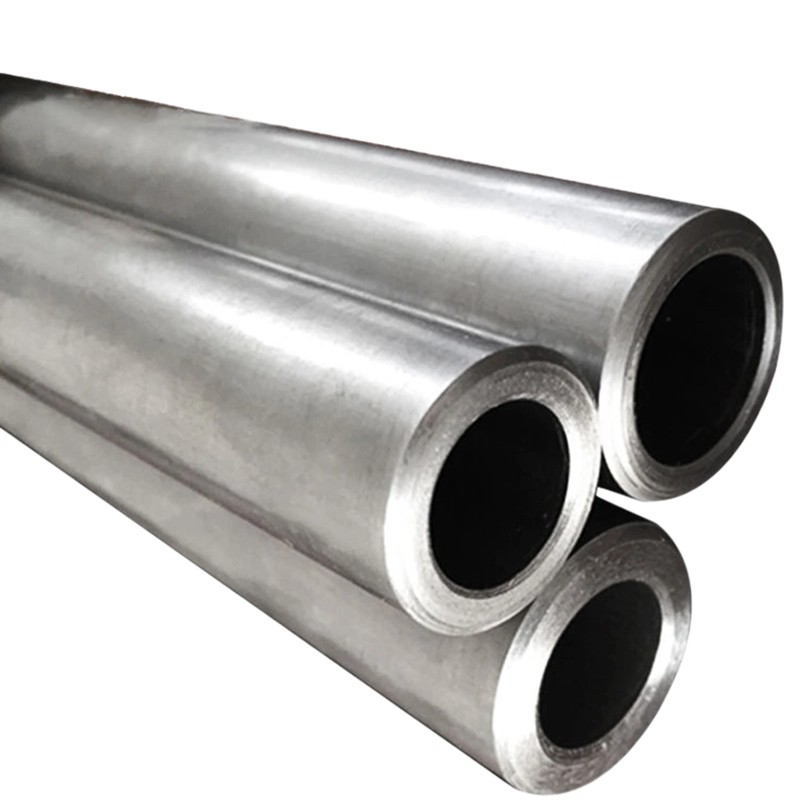
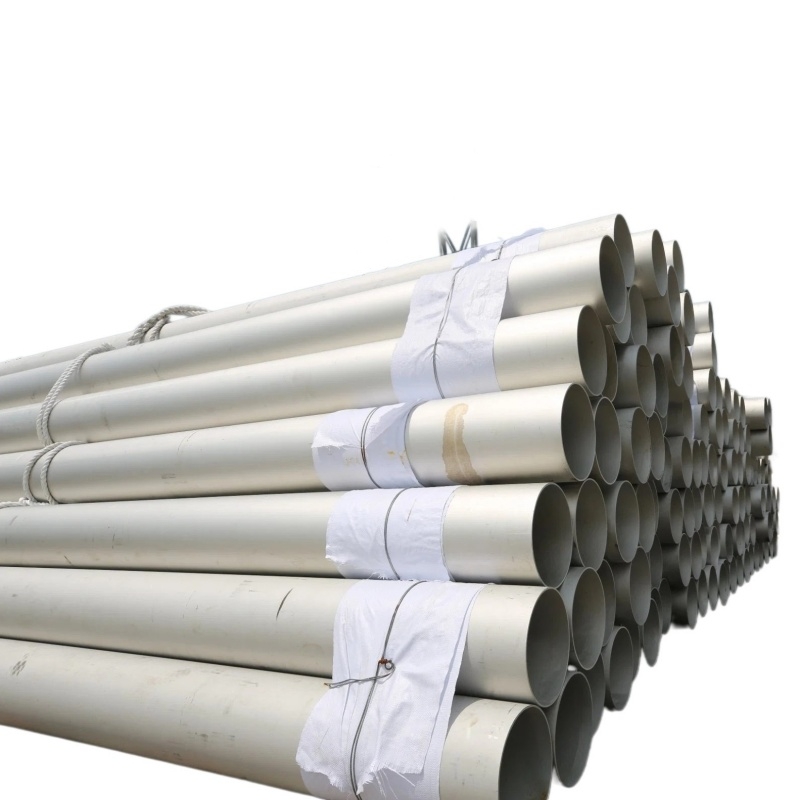
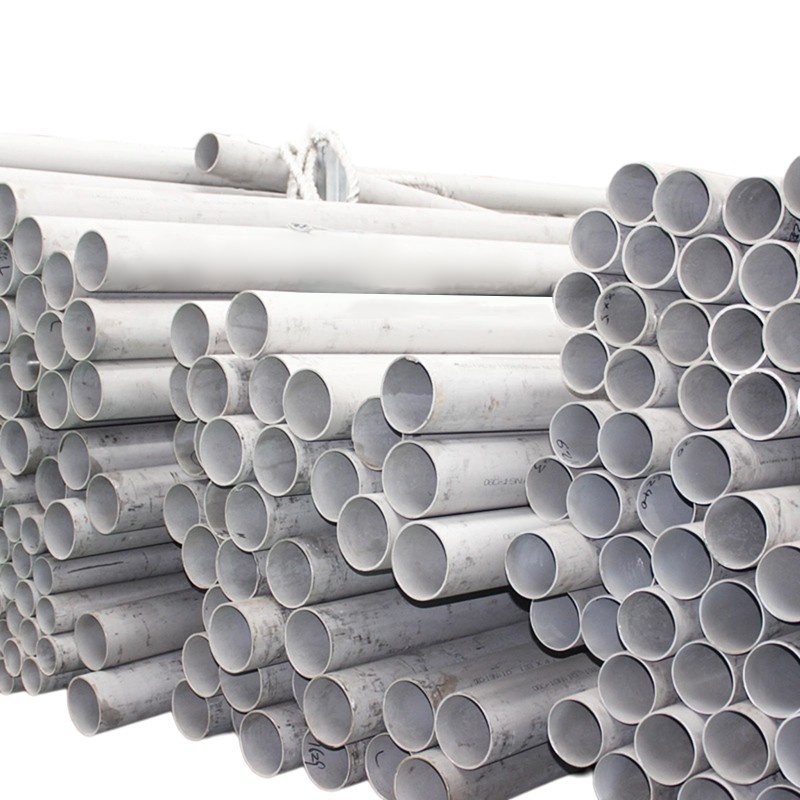
Sanitary stainless steel seamless tubes are most commonly used in biopharmaceutical/pharmaceutical production and in food-and-beverage processing, followed by dairy, cosmetics/personal care, semiconductor/electronics (ultrapure systems), and medical/lab equipment—anywhere fluids must stay clean, corrosion-resistant, and easy to validate.
In practice, these industries choose seamless sanitary tubing to reduce contamination risk, improve cleanability, and handle frequent cleaning cycles (CIP/SIP) without degrading the internal surface.
Industries that most commonly specify sanitary stainless steel seamless tubes
The following industries routinely specify “sanitary” tubing (smooth internal finish, traceability, hygienic design fit) and often prefer seamless construction for critical runs.
- Biopharmaceutical and pharmaceutical manufacturing (process lines, clean utilities)
- Food and beverage processing (breweries, beverage plants, ingredient handling)
- Dairy and aseptic processing (milk, whey, yogurt, infant nutrition)
- Cosmetics and personal care (lotions, shampoos, creams; hygienic transfer)
- Semiconductor and electronics (high-purity chemical distribution, some UPW subsystems)
- Medical devices and laboratory systems (clean fluid paths, instrument manifolds)
- Fine/specialty chemicals with contamination-sensitive recipes (additives, flavors, catalysts in hygienic skids)
Biopharmaceutical and pharmaceutical manufacturing
This sector is a primary driver of sanitary stainless steel seamless tubes because it combines strict contamination control with documented validation. Tubing is used both in product-contact process lines and in clean utilities that support them.
Where the tubing is used
- Purified Water and WFI distribution loops
- Buffer/media preparation and transfer lines
- CIP return, SIP steam lines, and hygienic skids
Practical spec signals
Projects often call for 316L with documented heat/lot traceability, plus a defined internal finish. A common baseline for hygienic finish is Ra ≤ 0.8 µm; for higher-purity or easier cleaning, electropolished tubing is frequently specified at Ra ≤ 0.4 µm. SIP regimes commonly operate around 121–135°C, which makes surface stability and corrosion resistance more important over time.
Food and beverage processing
Food and beverage plants use sanitary stainless steel seamless tubes to maintain hygiene, prevent flavor carryover, and withstand aggressive cleaning chemicals. Seamless tubing is most common in higher-risk or higher-pressure runs, as well as where frequent thermal cycling occurs.
Common applications
- Breweries: wort transfer, yeast handling, bright beer lines, CIP manifolds
- Beverage plants: syrup rooms, blending lines, carbonated water and product transfer
- Ingredient handling: sanitary lines for flavors, acids, sweeteners, and concentrates
A practical selection rule is: if the product is sticky, protein-rich, or prone to biofilm, prioritize a smoother internal finish and verified cleanability. If chloride exposure is meaningful (salts, some cleaning regimes, coastal water), 316/316L tends to outperform 304 in pitting resistance.
Dairy and aseptic processing
Dairy is a distinct “sanitary” category because milk proteins and fats can adhere to surfaces and create cleaning challenges. Sanitary stainless steel seamless tubes are widely used to reduce residue retention and enable repeatable CIP validation.
Typical lines where sanitary tubing matters most
- Pasteurized milk transfer and balance tanks
- Whey and protein concentrate handling
- Aseptic/UHT product paths where contamination risk is high
In aseptic operations, tubing choice directly impacts shelf-stability performance. A consistent internal finish and verified passivation help reduce micro-roughness where residues and microbes can anchor.
Cosmetics and personal care manufacturing
Cosmetics lines face frequent product changeovers (fragrances, pigments, emulsions), making cleanability and cross-contamination control the main drivers. Sanitary stainless steel seamless tubes are common in transfer lines from mixing vessels to filling systems.
Practical reasons seamless sanitary tubing is selected
- Reduced retention of viscous emulsions compared with rougher internal finishes
- Better repeatability of cleaning validation for allergen/fragrance control
- Corrosion resistance against certain preservatives, salts, and cleaning chemicals
Semiconductor and electronics (high-purity chemical systems)
Semiconductor facilities prioritize purity and corrosion control. While many UPW and chemical distribution networks use polymers for specific chemistries, sanitary stainless steel seamless tubes remain common in certain high-purity chemical services, gas/liquid interfaces, and utility subsystems where stainless is preferred for pressure, temperature, or mechanical durability.
Where stainless seamless sanitary tubing shows up
- Bulk distribution skids and mechanical rooms (selected chemical services)
- Ultraclean utility loops where metallic compatibility is required
- Systems requiring documented surface condition and traceability
For these applications, the “sanitary” mindset (smooth internal finish, controlled residues, strong documentation) aligns closely with fab contamination control practices—even if the governing standards differ from food/pharma.
Medical devices, laboratories, and clean-instrument systems
Medical and lab environments use sanitary stainless steel seamless tubes in equipment where the fluid path must be cleanable, corrosion-resistant, and stable under repeated disinfection or steam exposure.
Examples
- Autoclave-fed manifolds and clean steam distribution within equipment
- Lab and pilot skids for sterile filtration or buffer prep
- Diagnostic equipment fluid handling requiring stable, clean surfaces
What “sanitary” typically implies in seamless stainless tubing
Across these industries, “sanitary” generally means the tube is produced and finished to support hygiene, cleanability, and documentation—not merely that it is stainless. Buyers typically focus on surface condition, material grade, and traceability.
Common, practical requirements
- Material: 304/304L for general service; 316L for higher corrosion resistance and many pharma/biopharma lines
- Defined internal finish (e.g., mechanical polish; optional electropolish for higher cleanliness)
- Passivation and clean handling to minimize embedded iron and residues
- Full traceability (heat number, MTR/CMTR, inspection records) for regulated environments
Quick comparison table: industry use-cases and typical sanitary expectations
| Industry | Typical fluids/media | Why seamless sanitary tubing is favored | Common material/finish expectation |
|---|---|---|---|
| Biopharma/Pharma | WFI/PW, buffers, product solutions | Validation, low contamination risk, CIP/SIP endurance | 316L; defined Ra; optional electropolish |
| Food & Beverage | Beer, soft drinks, syrups, ingredients | Hygiene, flavor carryover control, cleaning chemical resistance | 304/316; sanitary polish to reduce retention |
| Dairy/Aseptic | Milk, whey, protein concentrates | Protein/fat residue control; repeatable CIP outcomes | 304/316; smooth internal finish emphasized |
| Cosmetics/Personal Care | Creams, lotions, shampoos, fragrances | Fast changeovers; reduced product hold-up; hygiene | 316/316L common; polish selected by viscosity |
| Semiconductor/Electronics | Selected high-purity chemistries, utilities | Purity control, documentation, mechanical robustness | High-quality stainless; controlled surface condition |
| Medical/Lab Systems | Clean fluids, steam/disinfectants in equipment | Repeatable sterilization, corrosion resistance, cleanability | 316L common; sanitary finish for critical fluid paths |
A practical buying checklist for sanitary stainless steel seamless tubes
If you are sourcing sanitary stainless steel seamless tubes for any of the industries above, the fastest way to avoid rework is to lock down measurable acceptance criteria (not just “sanitary”).
- Specify the grade (often 316L for higher corrosion resistance) and require heat/lot traceability with material test reports.
- Define the internal surface finish target (for example, Ra ≤ 0.8 µm mechanical polish, or tighter if your cleaning validation demands it).
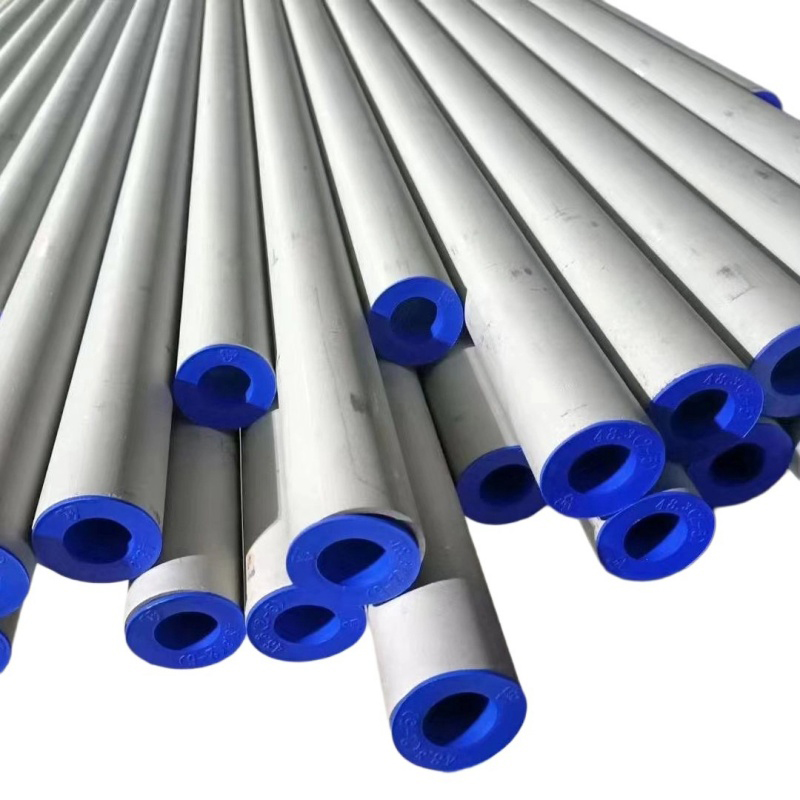
- Require clean manufacturing/packaging (capped ends, protected ID/OD) to prevent embedded debris before installation.
- Confirm compatibility with your cleaning chemistry and operating temperatures (CIP chemicals, steam exposure, chloride risk).
- Align the documentation set with your environment (regulated pharma vs. general food vs. industrial hygienic skids).
Bottom line
Biopharma/pharma and food-and-beverage are the most common industries using sanitary stainless steel seamless tubes, with dairy, cosmetics, semiconductor high-purity systems, and medical/lab equipment close behind.
If hygiene, cleanability, and repeatable process validation are business-critical, sanitary seamless tubing is the standard solution—especially when paired with a defined internal finish and full traceability.