
 English
 русский
Content
When a chemical processing plant specifies 316L stainless steel tubing, material grade alone will not prevent pitting corrosion if the inner surface retains microscopic imperfections from mill processing. The final surface treatment—not just the alloy chemistry—often determines whether a tube resists aggressive media for years or fails within months. For engineers sourcing tube for hygienic, high-purity, or corrosive fluid systems, understanding the distinct options for mechanical, chemical, and electrochemical surface refinement is a direct path to longer service life and lower total cost of ownership.
Why Surface Treatment Is Not Optional for Stainless Steel Tubes
Drawn and welded stainless steel tubes leave manufacturing with an altered surface layer: microscopic grooves, embedded iron particles, and a disturbed oxide film. If left untreated, these features become initiation sites for crevice corrosion, product contamination, or biofilm adhesion. A properly specified surface treatment removes or re-forms this layer, lowering the surface roughness (Ra) and rebuilding a homogeneous passive layer rich in chromium oxide.
Surface treatment is the decisive step between a commodity tube and a precision component. In industries governed by ISO 9001, ASME BPE, or NORSOK M650, surface finish is not cosmetic; it is a functional requirement that directly impacts cleanability, corrosion resistance, and fluid dynamics. A tube with Ra 0.8 µm and passivated walls will outperform an untreated tube of the same grade in nearly every measurable metric.
The Three Main Surface Treatment Methods for Tubing
1. Mechanical Polishing (MP)
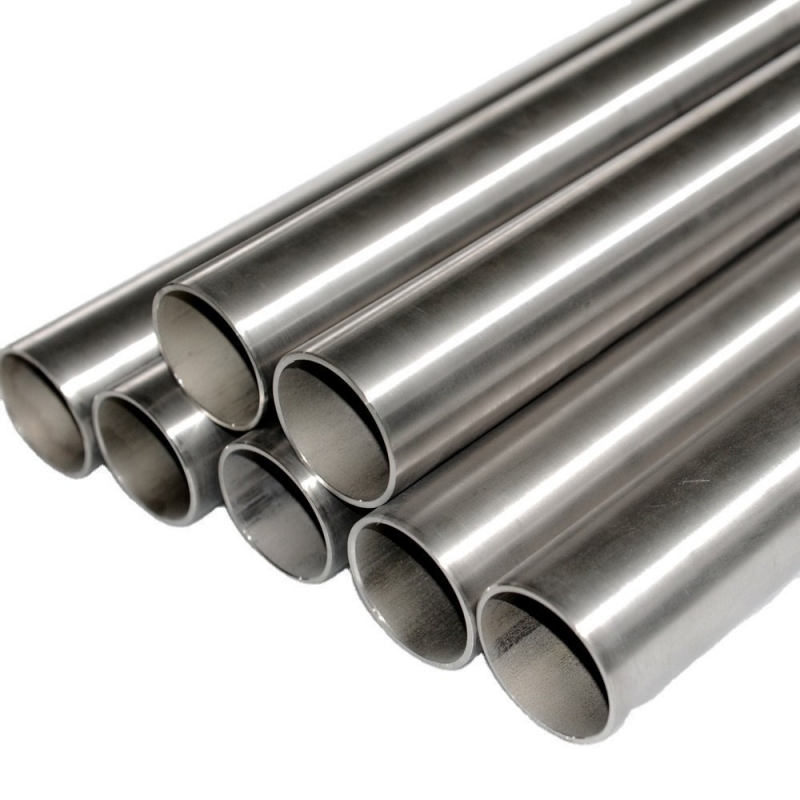
Mechanical polishing uses abrasive belts, wheels, or brushes to physically remove a thin layer of surface material. The process smooths weld beads, eliminates drawing lines, and produces a uniform matte to semi-bright finish. For general industrial fluid transport, food-grade lines, and architectural applications, a well-executed mechanical polish delivers a cost-effective balance of aesthetics and cleanability.
However, mechanical abrasion can embed foreign particles in softer stainless grades or slightly alter ovality in thin-wall tubes. Surface roughness typically reaches Ra 0.8–1.6 µm, which is sufficient for many non-critical services but insufficient for semiconductor or parenteral drug contact surfaces. Mechanical polishing works best when the buyer needs a clean, smooth surface without the high cost of electrochemical processing.
For general industrial or sanitary applications where a consistent matte finish suffices, a cold-drawn mechanical polishing MP tube delivers reliable surface quality without over-specifying the process. For a detailed comparison of finish specifications, refer to our guide on surface finish standards for precision tubes.
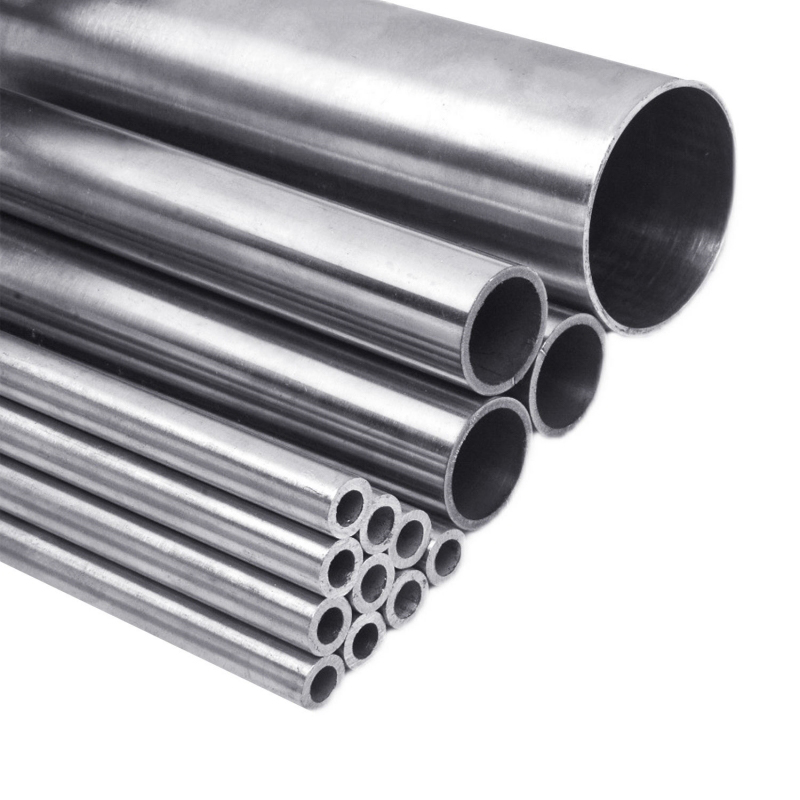 Cold Rolled Precision Seamless Stainless Steel Mechanical Polishing(MP) Tube SupXinhang Special Material Co., Ltd. Hangzhou Branch is Chinese custom Cold Rolled Precision Seamless Stainless Steel Mechanical Polishing(...View Product →
2. Chemical and Electrochemical Processes
Chemical surface treatments alter the surface at a microstructural level without mechanically abrading the base metal. The two most important sub-categories for tube applications are passivation and electropolishing (EP).
Passivation uses a dilute acid bath—typically citric or nitric—to dissolve free iron contaminants and promote the spontaneous formation of a dense chromium oxide layer. Passivation does not change surface roughness but dramatically improves corrosion resistance by restoring the protective film that makes stainless steel “stainless.” It is a mandatory step for chemical equipment, marine piping, and pressure vessel tubing exposed to chlorides or acidic condensates. Without post-fabrication passivation, even the best base alloy may suffer rouge or pitting in service.
For a deeper look at this step, see how passivation enhances corrosion resistance in pressure vessel tubes.
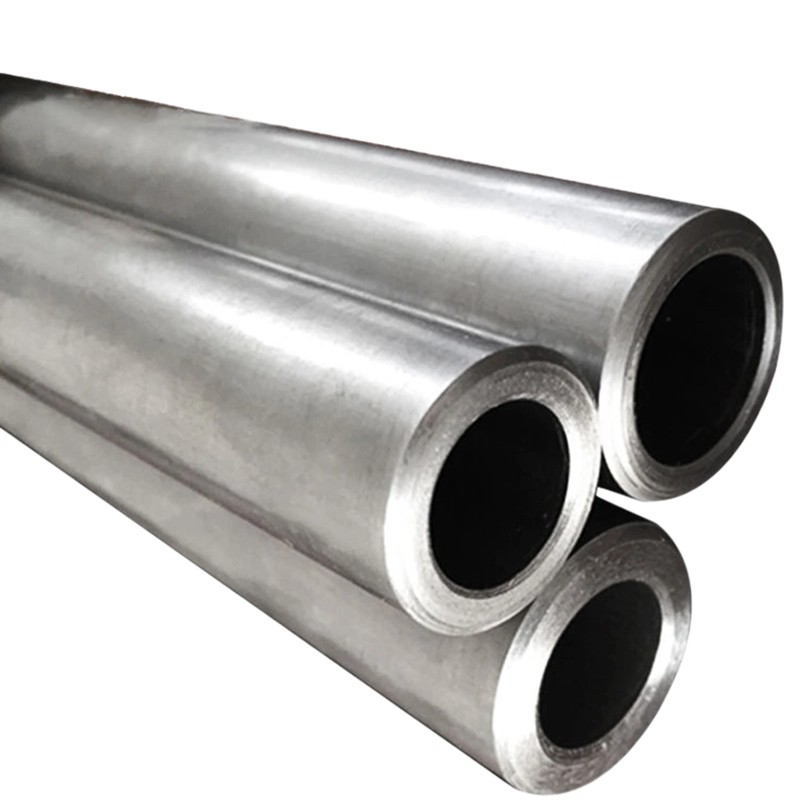
Electropolishing (EP) goes further by submerging the tube in an electrolyte and applying a controlled current. The process selectively dissolves high-points on the microscopic profile, yielding a mirror-like surface with Ra values routinely below 0.5 µm, and often as low as 0.2 µm. Electropolishing removes embedded contaminants, eliminates micro-cracks, and imparts a surface energy that resists bacterial attachment and particle adhesion. These properties are essential for parenteral water systems, ultra-high-purity gas lines, and bioprocessing equipment.
When the specification demands surface roughness approaching Ra 0.2 µm and the highest cleanability, an EP tube with electropolishing treatment provides a hygienic surface finish that meets ASME BPE and SEMI standards.
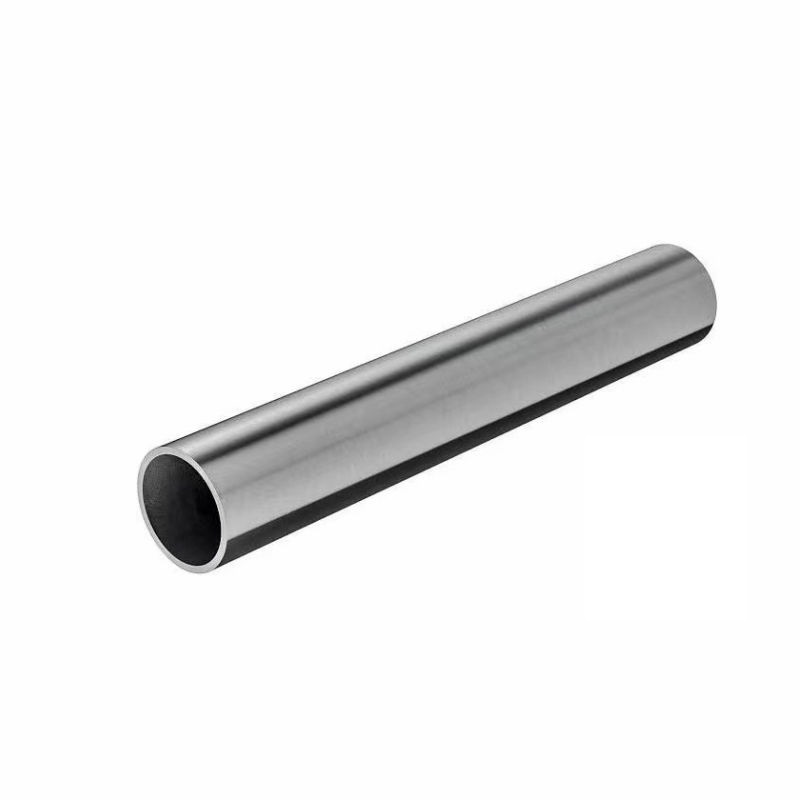 Characteristics And Treatment Technology Of Stainless Steel EP (Electro PolishinXinhang Special Material Co., Ltd. Hangzhou Branch is Chinese custom Characteristics And Treatment Technology Of Stainless Steel EP (Elec...View Product →
3. Bright Annealing (BA)
Bright annealing is a thermal rather than strictly mechanical or chemical surface treatment. The tube is heated to solution temperature in a controlled atmosphere of pure hydrogen or inert gas, preventing oxygen from reaching the surface. Without oxidation, the tube retains a bright, reflective finish straight from the furnace—no secondary pickling or passivation is needed.
BA processing preserves exceptional dimensional accuracy and wall-thickness uniformity because no material is removed mechanically. The resulting surface, typically Ra 0.4–0.8 µm, combines a clean appearance with the soft mechanical properties required for bending and flaring in instrumentation installations. For precision instrumentation, high-purity gas distribution, or any application where on-site bending is planned, BA tubing offers an unmatched combination of surface quality and formability.
A bright annealed BA tube for instrumentation achieves that mirror-like finish while maintaining the exact dimensional tolerances demanded by compression fitting systems.
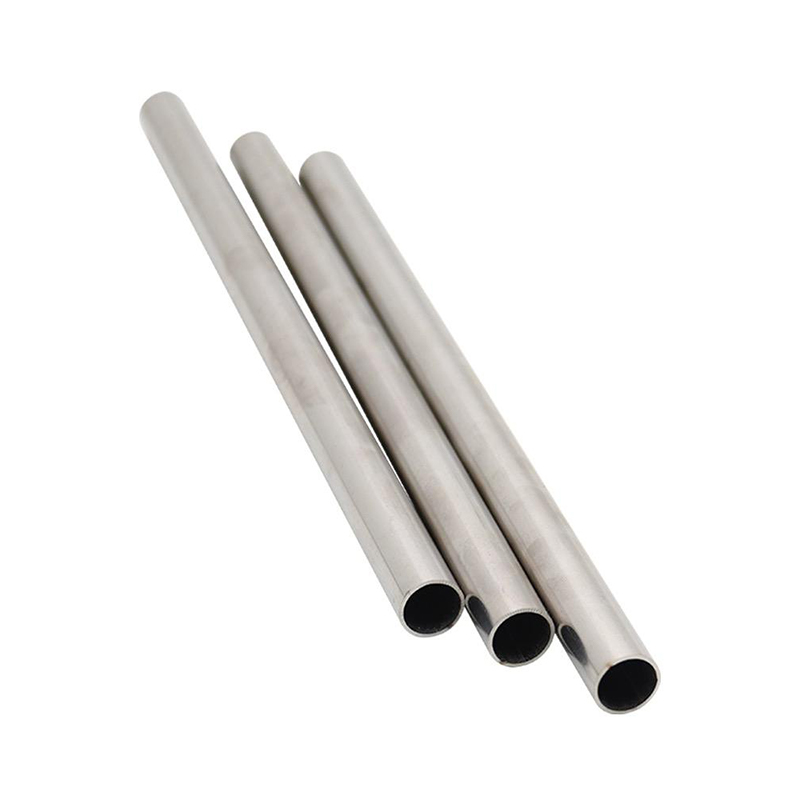 High Precision Bright Annealed(BA) Stainless Steel Tubing For Instrumentation SuXinhang Special Material Co., Ltd. Hangzhou Branch is Chinese custom High Precision Bright Annealed(BA) Stainless Steel Tubing For Instru...View Product →
How to Select the Right Surface Treatment for Your Application
| Treatment | Typical Ra (µm) | Cost Factor | Best For |
|---|---|---|---|
| Mechanical Polish (MP) | 0.8–1.6 | Lowest | Food, drinking water, general industry |
| Passivation | Unchanged from base | Low | Chemical, marine, pressure vessels |
| Bright Annealing (BA) | 0.4–0.8 | Medium | Instrumentation, gas distribution, bending |
| Electropolishing (EP) | 0.2–0.5 | Highest | Pharma, semiconductor, high-purity media |
The flow of decision-making should start with the end-use environment. If media is corrosive but not particle-sensitive, passivation alone may be sufficient. If cross-contamination risks exist, electropolishing provides the surface energy and roughness required for validated cleaning cycles. Bright annealing occupies a middle ground, where a smooth, oxidation-free surface aids both fluid flow and bending quality without the cost of an electrochemical process.
Partner with a Manufacturer That Understands the Full Process
Surface treatment is not an isolated operation. The best results come when the same team controls cold drawing, annealing, and final finishing, because the microstructural condition of the tube directly influences how the surface responds to polishing or passivation. A supplier offering MP, BA, and EP tube options from a single facility—under ISO 9001 quality systems—can match the metal preparation to the finishing technique, avoiding rework and batch inconsistency.
At Xinhang Special Material, surface engineering is part of the tube manufacturing sequence, not an afterthought. Whether your next project calls for mechanical polishing for industrial fluid lines, bright annealing for precision instrumentation, or electropolishing for ultra-clean processing, selecting a partner with full-process capability ensures that the surface finish performs exactly as specified—from the first installation to the final day of service.