
 English
 русский
Content
- 1 Advantages of stainless steel seamless tube at a glance
- 2 Why seamless construction matters in real operating conditions
- 3 Material performance benefits by grade choice
- 4 Lifecycle cost advantages that matter to operators
- 5 Practical selection checklist for stainless steel seamless tube
- 6 Future development of stainless steel seamless tube
- 6.1 Stronger, thinner-wall solutions through duplex and advanced alloys
- 6.2 Hydrogen, CCUS, ammonia, and new service environments
- 6.3 Cleaner and more controlled internal surfaces for high-purity industries
- 6.4 Digital manufacturing and inspection for traceability and consistency
- 6.5 Lower-carbon stainless production and supply-chain expectations
- 7 Where these trends translate into immediate opportunities
- 8 Conclusion
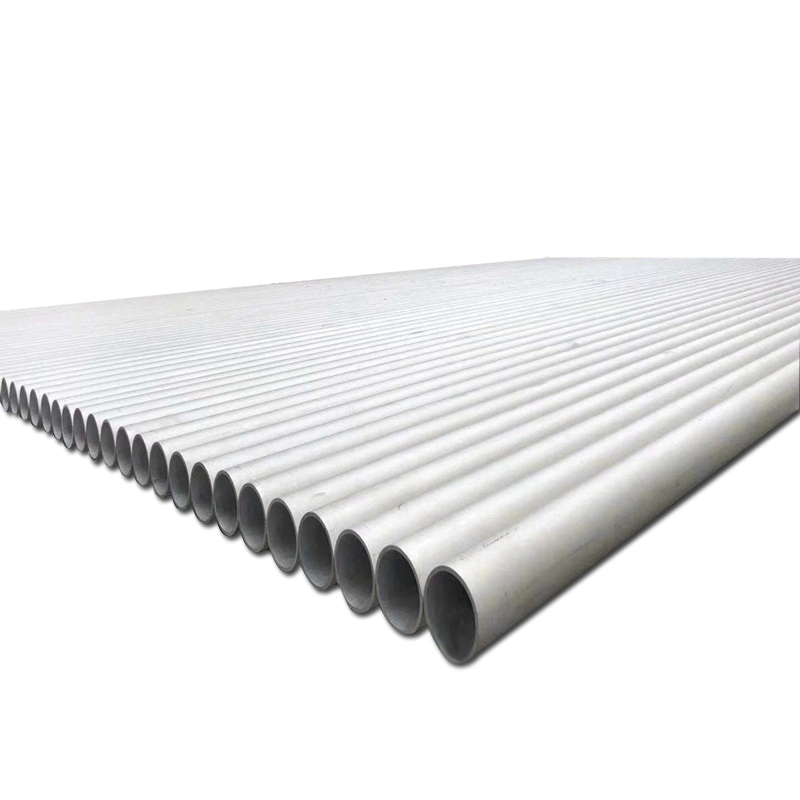
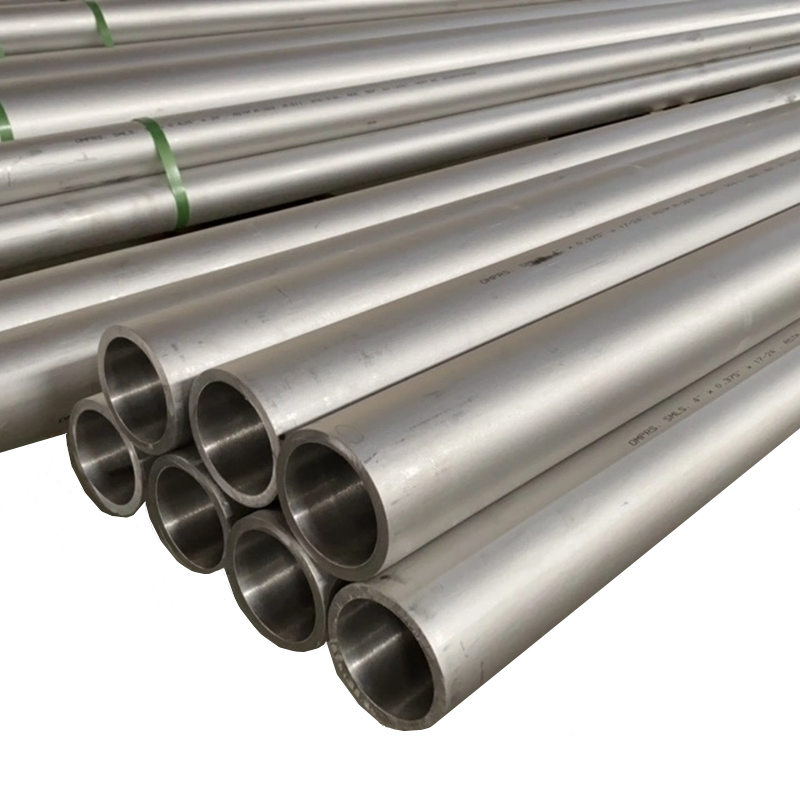
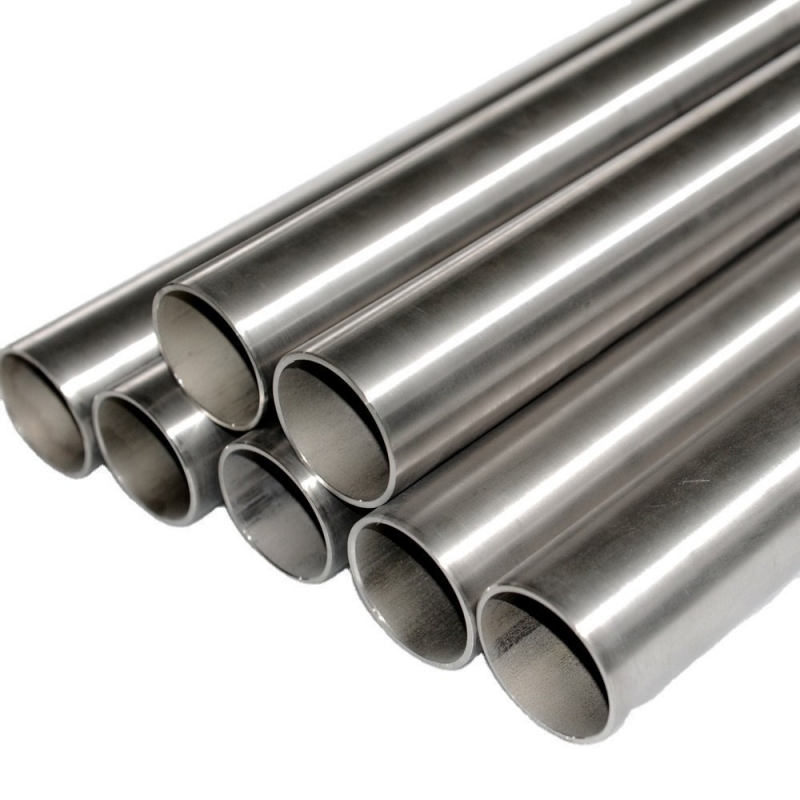
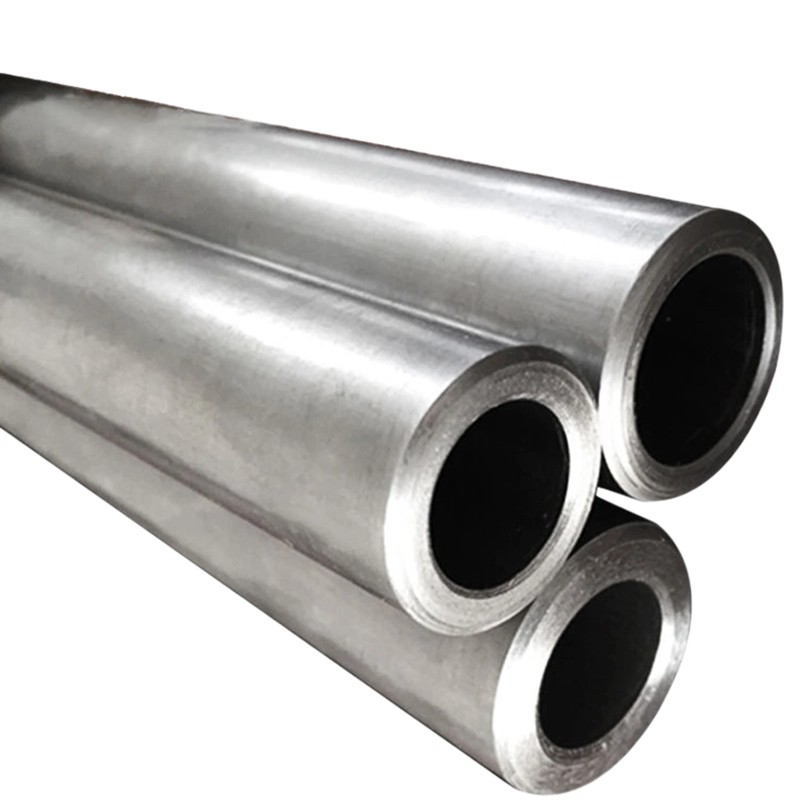
Stainless steel seamless tube is chosen when you need maximum reliability under pressure, temperature, and corrosion—because it eliminates weld-related weak points while delivering consistent mechanical performance and clean internal surfaces for critical service.
Advantages of stainless steel seamless tube at a glance
The core advantages of stainless steel seamless tube come from its one-piece construction and the intrinsic properties of stainless alloys.
- No weld seam to introduce localized corrosion, stress concentration, or heat-affected-zone variability.
- More uniform strength and fatigue behavior—valuable in cyclic pressure lines and vibration-prone installations.
- Excellent corrosion resistance options across grades (304/316L, duplex 2205, 2507, 904L, 6Mo) to match chlorides, acids, and mixed media.
- Broad temperature capability (cryogenic to high-temperature service, depending on grade and code requirements).
- Cleanability and surface finish control for high-purity and hygienic systems; electropolished tubing commonly targets Ra ≤ 0.38 μm (15 μin) in semiconductor and pharma utilities.
Why seamless construction matters in real operating conditions
In welded tube, the weld metal and heat-affected zone can differ from the base material in microstructure, residual stress, and corrosion response. Stainless steel seamless tube avoids that discontinuity, which is especially valuable when failure consequences are high.
Pressure integrity and fatigue performance
Hydraulic, instrumentation, and process impulse lines often experience pressure cycling and vibration. Seamless tube typically provides more consistent wall thickness and concentricity, which supports predictable stress distribution and improves fatigue life in cyclic service.
Corrosion resistance where welds can be a weak link
In chloride-containing environments (coastal air, seawater mist, brines, cooling water), localized corrosion and stress corrosion cracking risks rise. Seamless construction removes a common initiation site, and grade selection can further harden performance (e.g., duplex for chloride resistance and high strength).
| Tube option | Typical strength uniformity | Localized corrosion risk points | Best-fit applications |
|---|---|---|---|
| Stainless seamless tube | High (no weld discontinuity) | Lower (depends mainly on grade and environment) | High pressure, cyclic loads, critical media |
| Stainless welded tube | Medium (weld/HAZ variability) | Higher at weld/HAZ if not properly processed | General piping, lower pressure, non-critical service |
| Carbon steel tube | High (material-dependent) | Higher overall (rust/CO2/H2S concerns) | Cost-driven systems with corrosion allowance |
Material performance benefits by grade choice
Stainless steel seamless tube is not a single material; its performance depends heavily on alloy family. Picking the right grade often delivers a larger improvement than changing wall thickness alone.
Austenitic grades (304/316L): balanced corrosion resistance and formability
304 is a strong general-purpose option for mild to moderate corrosion. 316L adds molybdenum for better chloride and pitting resistance, and the low-carbon “L” variant supports improved weld-related corrosion resistance in assemblies.
Duplex grades (e.g., 2205): higher strength and better chloride resistance
Duplex stainless can reduce weight or wall thickness while maintaining pressure performance because it is much stronger than common austenitics. As a practical benchmark, duplex 2205 is often specified with a minimum yield strength around 450 MPa, roughly double that of many austenitic tube specifications.
Super duplex and high-alloy grades: aggressive media and seawater exposure
Super duplex (e.g., 2507) and high-alloy austenitics (e.g., 904L, 6Mo) target severe chloride, crevice corrosion, and mixed-acid conditions. These are common in offshore topsides, desalination, and chemical processing where downtime is costly.
Lifecycle cost advantages that matter to operators
Stainless steel seamless tube often has a higher initial material cost, but it can reduce total cost of ownership by cutting corrosion-related failures, extending maintenance intervals, and minimizing unplanned shutdowns.
Reduced inspection burden in critical lines
When the risk profile is driven by weld inspection and weld-related degradation mechanisms, seamless construction simplifies quality assurance. Many plants still perform robust NDT and PMI, but the elimination of a longitudinal weld removes a recurring inspection focal point.
Higher uptime in corrosive or high-purity systems
For instrumentation and sampling systems, a small leak can cause lost product, safety events, or analyzer downtime. For high-purity utilities, internal surface quality affects contamination control and yield. In these contexts, the reliability advantage is often worth more than the price delta.
Practical selection checklist for stainless steel seamless tube
Use this checklist to convert “advantages” into a specification that reliably performs in the field.
- Define the corrosion drivers: chlorides, acids, CO2/H2S, temperature, crevices, cleaning chemicals, and stagnation.
- Choose alloy family accordingly (304/316L for general service; duplex/super duplex or high-alloy for aggressive media).
- Specify dimensional tolerances critical to your application (ovality, concentricity, straightness), not only OD and wall.
- Specify surface finish and cleanliness (e.g., pickled/passivated, bright annealed, electropolished, max Ra) for hygienic or high-purity service.
- Align NDT and documentation with risk: eddy current/ultrasonic test, hydrotest, PMI, heat traceability, and material certificates.
- Confirm code and standard compatibility (e.g., ASTM/ASME and project specifications), including any sour or hydrogen service requirements.
Future development of stainless steel seamless tube
The future development of stainless steel seamless tube is being shaped by energy transition projects, tighter cleanliness requirements, and manufacturing innovations that push consistency, traceability, and sustainability.
Stronger, thinner-wall solutions through duplex and advanced alloys
Demand is growing for higher-strength grades that allow thinner walls without sacrificing pressure capability—supporting lighter systems, reduced heat transfer mass, and lower material usage. Duplex and super duplex families are well positioned for offshore, desalination, and chloride-heavy environments.
Hydrogen, CCUS, ammonia, and new service environments
Low-carbon projects introduce new degradation concerns (hydrogen effects, wet CO2 corrosion, amine solvents, elevated pressures). This drives tighter material controls, improved testing regimes, and broader use of corrosion-resistant grades in “small bore” but high-consequence tubing systems.
Cleaner and more controlled internal surfaces for high-purity industries
Semiconductor, pharma, biotech, and specialty gas markets continue to raise expectations on inclusion control, surface finish, and particulate/ionic cleanliness. This accelerates adoption of advanced finishing (electropolish, controlled passivation) and stricter handling/packaging to maintain cleanliness from mill to site.
Digital manufacturing and inspection for traceability and consistency
- Wider use of inline monitoring (dimensional control, surface defect detection) to reduce variation lot-to-lot.
- Enhanced NDT (advanced eddy current, ultrasonic techniques) to improve detection of small defects and ensure repeatable quality.
- End-to-end heat traceability and data packages to speed qualification for regulated or safety-critical projects.
Lower-carbon stainless production and supply-chain expectations
Buyers increasingly request environmental product declarations and lower-carbon material routes. Stainless steel seamless tube producers are responding with higher recycled content strategies, cleaner energy mixes, and tighter process efficiency—particularly relevant for large-scale energy and infrastructure builds.
Where these trends translate into immediate opportunities
Stainless steel seamless tube is likely to expand fastest where reliability, cleanliness, and corrosion risks intersect with higher operating pressures and stricter compliance.
- Offshore and marine systems: seawater exposure, chloride-laden atmospheres, and high uptime expectations.
- Hydrogen and CCUS balance-of-plant: higher documentation, risk-based inspection, and evolving materials guidance.
- Chemical processing: mixed media and aggressive cleaning cycles, driving higher-alloy selection.
- Semiconductor/pharma: higher purity and surface finish requirements where contamination directly impacts yield.
Conclusion
The advantages of stainless steel seamless tube are most compelling when failure risk, corrosion exposure, pressure cycling, or cleanliness requirements are non-negotiable. Looking ahead, the future development of stainless steel seamless tube will be driven by advanced alloys, energy-transition service demands, stricter purity expectations, and digitally enabled quality control—all reinforcing its role as a high-reliability tubing solution.