
 English
 русский
Content
- 1 What Is Oil Tubing and How It Works in a Wellbore
- 2 Types of Oil Tubing: NU, EU, and Premium Connections
- 3 API 5CT Steel Grades: From J55 to P110
- 4 Oil Tubing Sizes and Dimensional Specifications
- 5 Corrosion-Resistant and Stainless Steel Tubing for Harsh Environments
- 6 How to Select the Right Oil Tubing for Your Well
Every barrel of crude oil and every cubic foot of natural gas that reaches the surface passes through one critical component: the production tubing string. While casing gets cemented into the wellbore and stays there permanently, oil tubing is the replaceable, active conduit—the actual pipe through which hydrocarbons travel from the reservoir to the wellhead. Getting the tubing specification wrong can mean restricted production, premature failure, or a costly workover. Getting it right means years of reliable, efficient operation.
What Is Oil Tubing and How It Works in a Wellbore
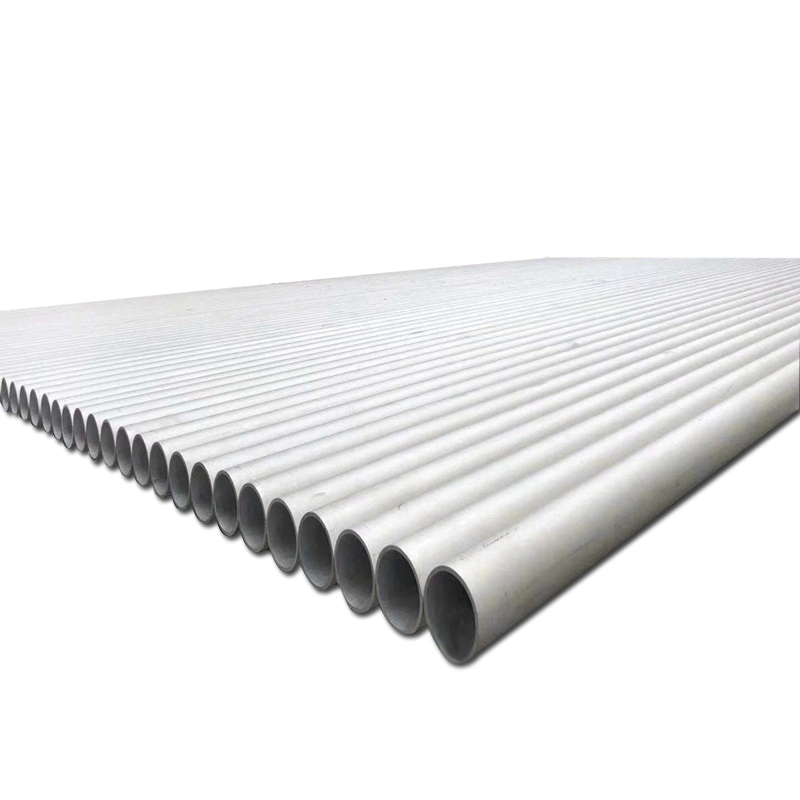
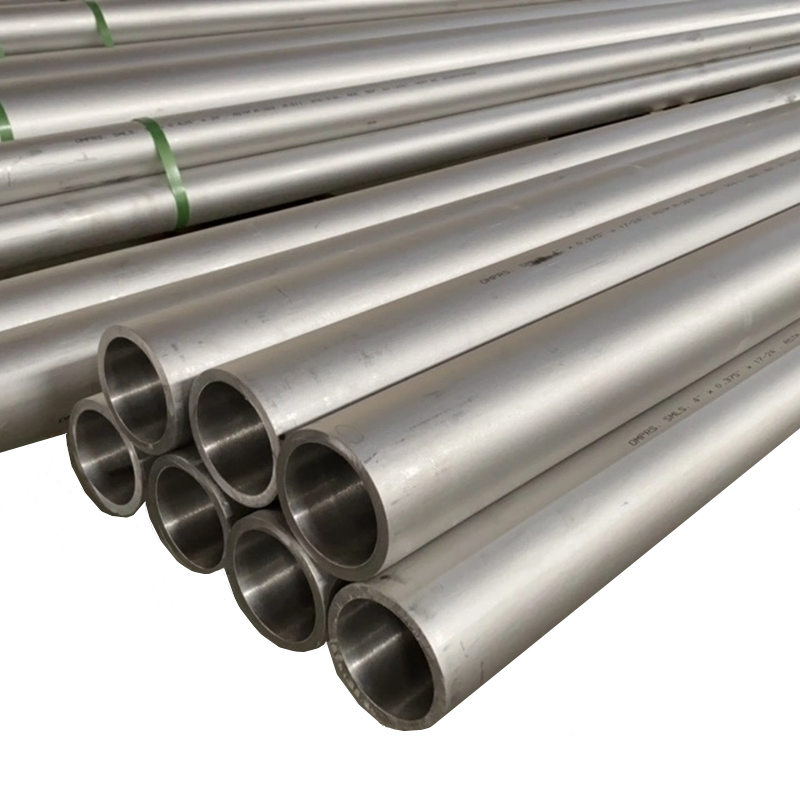
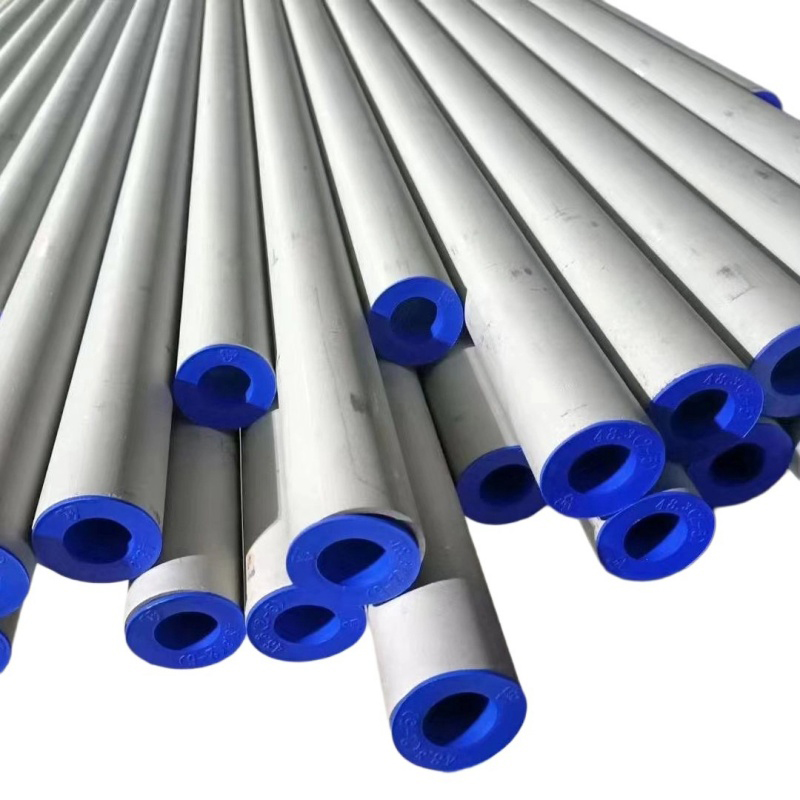
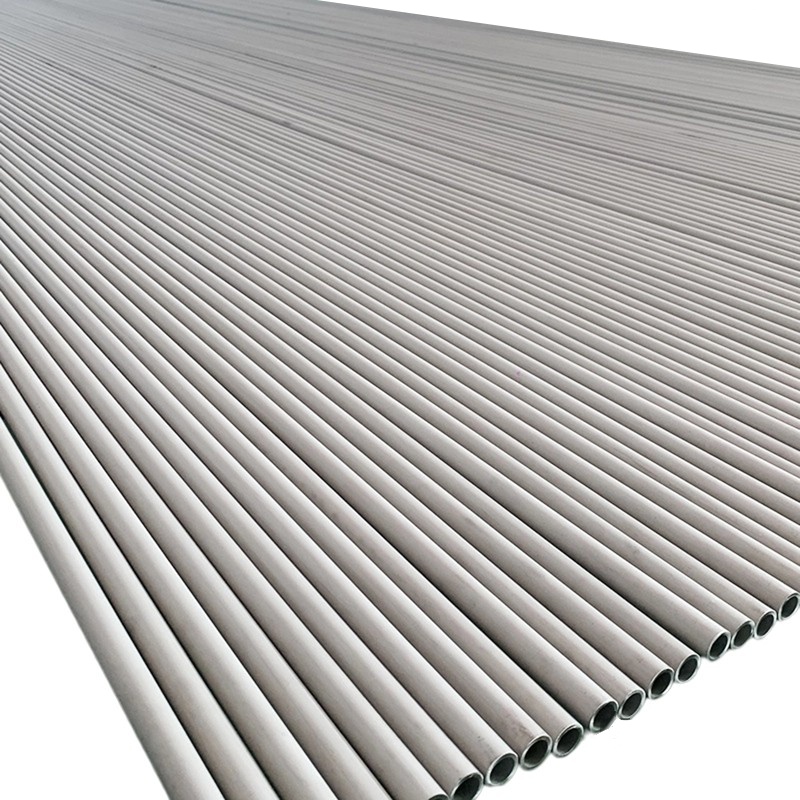
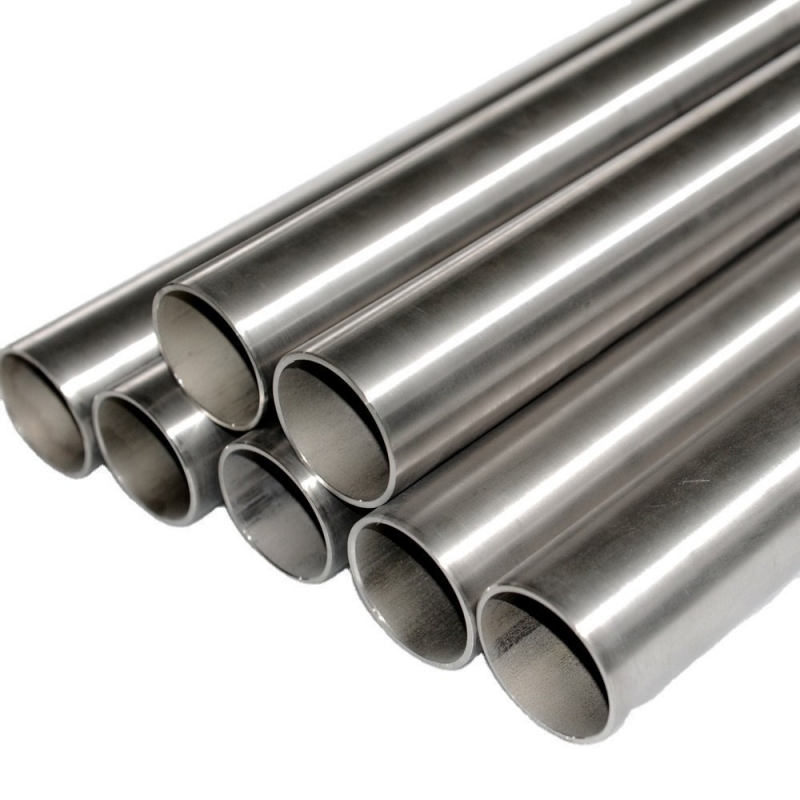
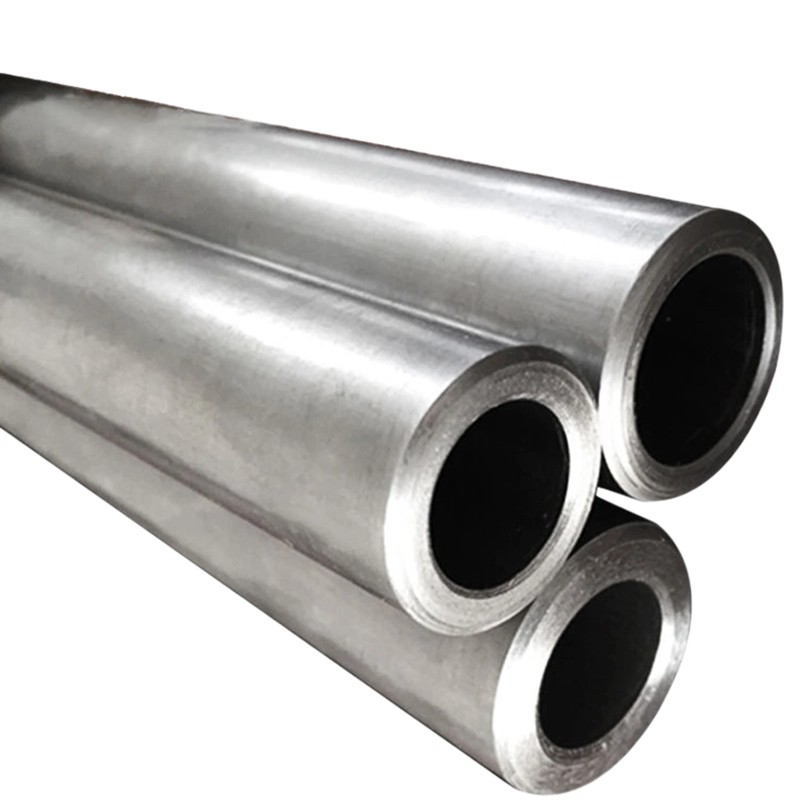
Oil tubing—also called production tubing or OCTG (Oil Country Tubular Goods) tubing—is a steel pipe run inside the casing string after the well has been drilled and cased. Its primary job is straightforward: it provides a sealed, pressure-rated channel through which oil or gas flows upward to the surface under reservoir pressure or artificial lift.
The distinction between tubing and casing matters for both engineering and procurement. Casing is large-diameter pipe cemented in place to stabilize the wellbore and isolate geological formations. Tubing, by contrast, sits inside the casing, is not cemented, and can be pulled out and replaced when it becomes worn or damaged. Production tubing sizes typically range from 1.050" to 4.500" outer diameter, while casing runs from 4.5" to 20" and beyond.
A typical production tubing string is made up of individual joints—usually 30 feet (Range 2) in length—threaded together end to end with couplings. Packers, nipples, and other completion equipment are installed at intervals along the string to control flow, isolate zones, or anchor the tubing to the casing. The result is a pressure-containing system that must maintain integrity under combined axial tension, internal pressure, collapse loading, and corrosive attack—sometimes simultaneously.
Types of Oil Tubing: NU, EU, and Premium Connections
API 5CT recognizes three principal tubing configurations, differentiated by how the pipe ends are prepared and how joints are connected. The choice of end type affects the mechanical strength of each connection, the clearances available inside the wellbore, and the tubing's suitability for high-pressure or specialty applications. For a broader overview of how these products fit into the OCTG family, see our complete guide to OCTG pipe types, grades, and sizes.
Non-Upset Tubing (NU) has a uniform wall thickness from pin to box. Threads are cut directly into the pipe body without thickening the ends beforehand. This produces a relatively compact coupling with a smaller outside diameter—useful in wells where annular clearance between the tubing and casing is limited. The trade-off is lower joint efficiency; NU connections are suited to moderate-pressure, shallower wells where coupling strength is not the limiting design factor.
External Upset Tubing (EU) features forged, thicker pipe ends, which allows for more thread engagement and a stronger coupling. EU connections achieve close to 100% joint efficiency—meaning the connection is as strong as the pipe body itself—and are the industry default for most production applications. Where a well demands reliable sealing under cycling loads or thermal expansion, EU tubing is the baseline specification.
Premium (non-API) Connections go beyond what either NU or EU can deliver. Proprietary thread forms from manufacturers provide metal-to-metal seals, enhanced gas-tight integrity, and improved resistance to torque and bending. They are standard in deep wells, high-pressure high-temperature (HPHT) completions, and any application where an API-style thread's leak potential is unacceptable. Premium connections come at higher cost, but in wells where a single leak event can trigger a costly intervention, the economics justify the investment. For operations involving continuous or coiled tubing variants, our coiled tubing materials and selection guide covers the complementary technology in detail.
API 5CT Steel Grades: From J55 to P110
The API 5CT standard, developed by the American Petroleum Institute, is the global benchmark for oil well tubing specifications. It classifies steel grades by their minimum yield strength, expressed in thousands of pounds per square inch (ksi), and groups them according to their intended service environment.
| Grade | Yield Strength (ksi) | Typical Application | Sour Service (H₂S) |
|---|---|---|---|
| J55 / K55 | 55 – 80 | Shallow, low-pressure onshore wells | Not rated |
| N80 (Type 1 / Q) | 80 – 110 | Medium-depth wells, low-sulfur environments | Not rated |
| L80-1 | 80 – 95 | Sour service, general corrosive wells | Yes (SSC resistant) |
| L80-9Cr / 13Cr | 80 – 95 | High CO₂, moderate H₂S wells | Limited (13Cr preferred) |
| C90 / T95 | 90 – 105 / 95 – 110 | Sour service, deeper wells | Yes (both grades) |
| P110 | 110 – 140 | Deep, high-pressure wells (non-sour) | No |
J55 and K55 are the entry-level grades—cost-effective for shallow, low-pressure onshore production where H₂S is absent. N80 covers the middle ground: stronger than J55, widely available, and workable in most non-corrosive fields. The critical step up comes with the L80 family, where restricted yield strength and controlled hardness (maximum 23 HRC) make the material resistant to sulfide stress cracking (SSC). For CO₂-dominant environments—common in offshore and deepwater wells—L80-13Cr with approximately 13% chromium content provides meaningfully better resistance than carbon steel or lower-alloy options. P110, the highest-volume high-strength grade, delivers the tensile capacity needed for long, deep tubing strings but must be kept away from H₂S-containing wells where it becomes brittle.
Oil Tubing Sizes and Dimensional Specifications
API 5CT standardizes tubing dimensions across a range that covers the vast majority of conventional and unconventional well completions. Outer diameters run from 1.050 inches (26.7 mm) to 4.500 inches (114.3 mm), with wall thicknesses from roughly 2.11 mm to 10.16 mm depending on grade and size.
| Nominal OD (inch) | OD (mm) | Typical Use |
|---|---|---|
| 1.050" | 26.7 mm | Very low-yield, shallow pump wells |
| 1.900" | 48.3 mm | Light rod-pumped production |
| 2-3/8" | 60.3 mm | Moderate-rate gas and oil wells |
| 2-7/8" | 73.0 mm | Most common size; broad application |
| 3-1/2" | 88.9 mm | High-rate gas wells, ESP installations |
| 4-1/2" | 114.3 mm | Large-bore gas wells, heavy oil |
Length classification follows three API ranges: R1 (18–22 ft), R2 (27–30 ft), and R3 (38–42 ft). Range 2 is the dominant choice for production tubing because it balances ease of handling with string assembly efficiency. Excessive length variation within a shipment causes operational complications during running and pulling—a detail worth confirming with suppliers before finalizing a purchase order.
Sizing is not purely about diameter. The tubing's drift diameter—the minimum clear internal bore—determines what tools and equipment can pass through the string. Packers, wireline tools, and perforating guns must all fit through the drift. Specifying tubing that is too small restricts both production rates and future intervention options; selecting oversized tubing forces a larger casing program that adds cost throughout the well design.
Corrosion-Resistant and Stainless Steel Tubing for Harsh Environments
Carbon steel grades like J55 or N80 perform reliably in benign reservoir environments, but many of the world's producing wells are anything but benign. CO₂ partial pressures above 0.05 MPa, H₂S concentrations that trigger sour service requirements, high chloride brines, and elevated temperatures create conditions where carbon steel fails rapidly—sometimes within months. In these environments, corrosion-resistant alloys (CRA) and stainless steel tubing are not a premium option; they are the only practical choice.
The most widely specified CRA tubing grades for oilfield use include:
- 13Cr (L80-13Cr): Approximately 13% chromium; resists CO₂ corrosion up to roughly 150°C and moderate Cl⁻ concentrations. The workhorse of corrosive-gas well completions globally.
- Super 13Cr / Modified 13Cr: Higher strength variants that extend the application range to deeper, hotter wells while retaining corrosion resistance.
- Duplex Stainless Steel (e.g., UNS S31803 / S32205): Offers excellent resistance to both CO₂ and chloride stress corrosion cracking (CSCC), with strength levels exceeding carbon steel P110. Increasingly used in offshore and deepwater completions.
- Super Duplex (e.g., UNS S32750): The high-performance choice for highly aggressive environments—elevated H₂S, high chlorides, and temperatures above 200°C. Used extensively in North Sea and deep offshore applications.
- Nickel-based alloys (e.g., Alloy 625, Alloy 825): For the most extreme sour service and ultra-high temperature conditions where duplex grades reach their limits.
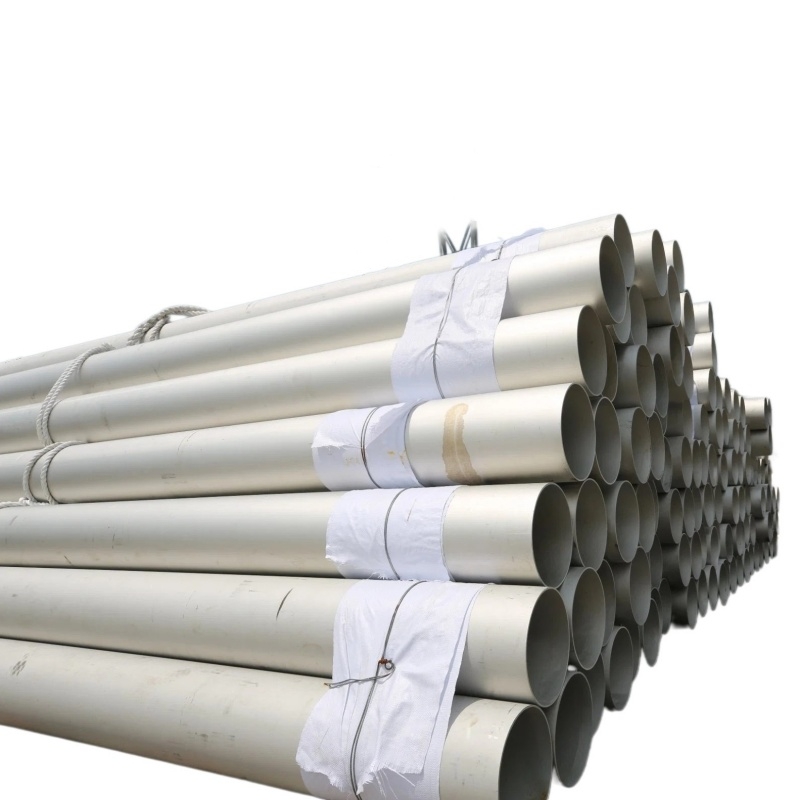
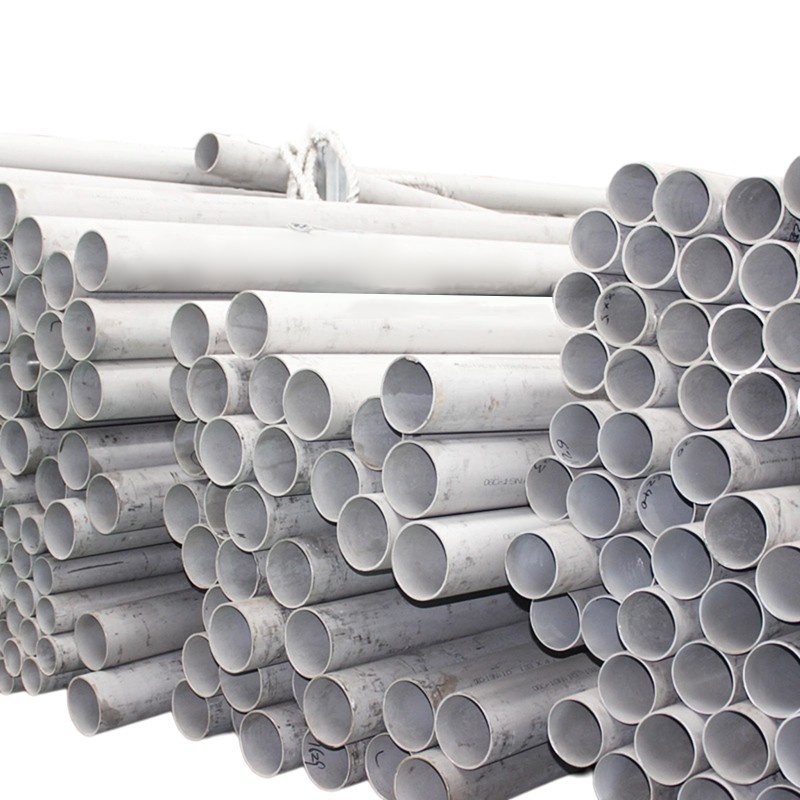
Beyond downhole applications, stainless steel tubing also serves in surface wellhead equipment, flowlines, and processing facilities where pressure, temperature, and chemical exposure requirements rule out carbon steel. Our stainless steel pipes for petrochemical fluid transfer and stainless steel pipes for industrial fluid transportation cover these surface-side applications in full.
Selecting a CRA grade requires corrosion analysis—not guesswork. Reservoir fluid composition (CO₂ partial pressure, H₂S content, chloride concentration, temperature) must be mapped against each alloy's known resistance limits before a material is specified. Upgrading from carbon steel to 13Cr tubing in a CO₂-dominant well can extend tubing life from two years to twenty; the capital premium pays back within the first avoided workover.
How to Select the Right Oil Tubing for Your Well
Tubing selection is a multi-variable engineering decision, not a catalog lookup. The parameters that matter most—and how they interact—determine which combination of size, grade, end type, and material is correct for a given well.
Well depth and pressure set the mechanical baseline. Shallow, low-pressure wells (under 5,000 ft, formation pressure under 3,000 psi) can typically be served with J55 or N80 tubing in NU or EU connection. As depth and pressure climb, the axial load from tubing string weight combines with internal pressure to demand higher-yield grades. Wells exceeding 12,000 ft or with wellhead pressures above 5,000 psi generally require P110 in non-corrosive service, or equivalent CRA grades in corrosive environments.
Reservoir fluid composition determines corrosion risk. Key thresholds from industry practice: H₂S partial pressure above 0.0003 MPa triggers sour service requirements (ISO 15156 / NACE MR0175); CO₂ partial pressure above 0.05 MPa indicates a corrosive environment where 13Cr tubing should be evaluated. When both gases are present simultaneously, grade selection becomes more complex and typically requires simulation modeling.
Production rate requirements govern tubing size. The tubing inner diameter directly affects flow velocity, pressure drop, and artificial lift design. Undersized tubing increases backpressure on the reservoir, reducing production; oversized tubing costs more upfront and can cause liquid loading in gas wells at lower flow rates. Nodal analysis—matching the inflow performance relationship (IPR) of the reservoir with the tubing performance curve—is the standard engineering method for size optimization.
Certification and compliance should not be afterthoughts. For oilfield supply chains, API Monogram certification is the baseline quality marker for API 5CT tubing. Projects in specific regions or for certain operators may additionally require NORSOK M-650, ISO 3183, or operator-specific material qualification. Verifying that a supplier holds the relevant certifications—and that they cover the specific grade and size being ordered—is a necessary step before committing to procurement. For guidance on matching stainless and petrochemical tubing to project requirements, our petrochemical pipe selection, installation, and maintenance resource provides practical frameworks applicable across fluid-handling systems.
The table below summarizes a simplified selection matrix for common well scenarios:
| Well Type | Recommended Grade | Connection Type | Notes |
|---|---|---|---|
| Shallow onshore, benign | J55 / K55 | NU or EU | Cost-effective; not for H₂S |
| Medium-depth, low-sulfur | N80 / N80Q | EU | Versatile; wide availability |
| Sour gas well (H₂S present) | L80-1 / C90 / T95 | EU or Premium | SSC resistance mandatory |
| High CO₂, offshore | L80-13Cr / Super 13Cr | Premium | CRA selection based on CO₂ partial pressure |
| Deep HPHT well | P110 / Q125 (non-sour) | Premium gas-tight | Full mechanical analysis required |
| Aggressive sour + high Cl⁻ | Duplex / Super Duplex SS | Premium | Material qualification per ISO 15156 |
No tubing selection is complete without factoring in total lifecycle cost. A cheaper carbon steel grade that requires workover after 18 months of service often costs more over a 20-year well life than a CRA option specified correctly from day one. The engineering investment in accurate reservoir fluid analysis and grade selection is consistently one of the highest-return decisions in well completion design.