
 English
 русский
Content
- 1 What OCTG Pipe Means and Why It Matters
- 2 Main Types of OCTG Pipe
- 3 Key Technical Factors Used to Evaluate OCTG Pipe
- 4 Common Grades, Sizes, and End Connections
- 5 How OCTG Pipe Is Selected for Real Well Conditions
- 6 Typical Failure Risks and How to Reduce Them
- 7 What Buyers Should Check Before Ordering OCTG Pipe
- 8 Conclusion
What OCTG Pipe Means and Why It Matters
OCTG pipe is the family of steel tubular products used in oil and gas wells for drilling, casing, and production. In practical terms, OCTG pipe is designed to handle high pressure, corrosive fluids, mechanical load, and deep-well stress, which makes it fundamentally different from ordinary line pipe or structural pipe.
The term OCTG stands for Oil Country Tubular Goods. It usually covers three main product groups: drill pipe, casing, and tubing. Each serves a different job in the well lifecycle. A drilling operation may use drill pipe to rotate the bit, casing to stabilize the borehole, and tubing to move hydrocarbons to the surface. Because failure in any of these strings can stop production or trigger expensive repair work, material choice, wall thickness, thread type, and grade all have direct operational value.
For example, replacing a failed tubular string in a deep well can involve rig time, fishing operations, and deferred production. That is why buyers and engineers typically evaluate OCTG pipe not only by price per ton, but also by collapse strength, burst resistance, tensile capacity, and service environment.
Main Types of OCTG Pipe
The most useful way to understand OCTG pipe is to separate it by function in the well. Although all three categories are tubular steel products, they are not interchangeable in design or performance.
Drill Pipe
Drill pipe transmits torque and drilling fluid between the surface equipment and the drill bit. It must withstand rotation, cyclic loading, tension, and internal pressure. In horizontal and directional drilling, drill pipe also sees high friction and bending stress, so fatigue performance is critical.
Casing
Casing is installed in the wellbore and cemented in place to prevent the hole from collapsing, isolate formations, and protect groundwater zones. Surface casing, intermediate casing, and production casing are chosen according to depth, pressure profile, and geological risk. Casing is the structural backbone of the well.
Tubing
Tubing carries oil or gas from the reservoir to the surface after the well is completed. Compared with casing, tubing is usually smaller in diameter and designed for production efficiency, pressure integrity, and workover compatibility. In sour service or high-temperature wells, tubing selection becomes especially important because corrosion and cracking risks increase.
| Type | Primary Function | Typical Stress | Installed Permanently? |
|---|---|---|---|
| Drill Pipe | Transfers torque and drilling fluid | Torsion, fatigue, tension, pressure | No |
| Casing | Supports wellbore and isolates zones | Collapse, burst, axial load | Yes |
| Tubing | Produces oil or gas to surface | Pressure, corrosion, tension | Usually removable |
Key Technical Factors Used to Evaluate OCTG Pipe
Selecting OCTG pipe is mainly a performance decision. Engineers typically compare several mechanical and environmental properties before approving a tubular string design.
- Yield strength: the stress level at which the steel begins to deform permanently.
- Tensile strength: the maximum pulling load the pipe can tolerate before failure.
- Collapse resistance: the pipe’s ability to survive external pressure from the formation and cement column.
- Burst resistance: the limit of internal pressure the pipe wall can safely contain.
- Connection performance: thread design affects gas sealing, torque capacity, and leak resistance.
- Corrosion resistance: critical in sour service, high-CO2 wells, or produced-water environments.
A simple example shows why these factors matter. A deeper well increases axial load because more pipe weight hangs below the rig floor. A high-pressure reservoir raises burst requirements. A depleted zone can increase collapse risk because the outside pressure may exceed the pressure inside the pipe. In other words, the correct OCTG pipe is not just strong steel; it is steel matched to a specific well condition.
Common Grades, Sizes, and End Connections
OCTG pipe is available in multiple grades and dimensions so that the tubular design can match depth, pressure, and fluid chemistry. In many projects, buyers compare outside diameter, wall thickness, weight per foot, steel grade, and connection type together rather than as isolated specifications.
Grades
Higher grades generally provide higher strength, but strength alone is not always the best choice. Some wells require better toughness, sour-service resistance, or connection reliability instead of simply maximum yield. For this reason, grade selection often balances safety margin, manufacturability, and total cost.
Sizes
Casing and tubing sizes vary widely. Surface casing can be relatively large to secure the upper well section, while production tubing is smaller to optimize flow and completion design. A small change in wall thickness can materially improve burst or collapse performance, but it also adds weight and cost.
Connections
Threaded and coupled connections are common, but premium gas-tight connections are often preferred in high-pressure gas wells, deepwater conditions, or complex directional drilling. Connection failure can occur even when the pipe body is sufficiently strong, so the coupling or threaded end must be treated as a critical design point rather than a minor detail.
| Specification Item | Why It Matters | Practical Impact |
|---|---|---|
| Outside Diameter | Determines fit inside the well design | Affects annular space and completion options |
| Wall Thickness / Weight | Controls strength and pressure resistance | Impacts cost, load, and safety margin |
| Steel Grade | Defines mechanical properties | Determines suitability for depth and pressure |
| Connection Type | Affects seal integrity and torque | Influences leak risk and running efficiency |
| Service Condition | Accounts for H2S, CO2, and temperature | Guides corrosion and cracking resistance |
How OCTG Pipe Is Selected for Real Well Conditions
A practical OCTG pipe selection process starts with the well profile rather than the catalog. Depth, formation pressure, temperature, deviation, completion method, and fluid composition all influence the final tubular program.
- Estimate axial load from pipe weight, buoyancy, and running conditions.
- Check collapse requirements against external formation and cement pressure.
- Check burst requirements against expected internal pressure during production or stimulation.
- Review sour-service or corrosive-fluid exposure.
- Confirm connection performance for torque, sealing, and running reliability.
- Compare lifecycle cost, not only initial purchase cost.
Consider a simplified example. A vertical shallow well with low pressure may use a relatively standard casing and tubing design. A deep horizontal gas well with high-pressure zones, aggressive fluids, and repeated workovers will need tighter connection performance and a more conservative material choice. In the second case, paying more for better OCTG pipe can reduce non-productive time and prevent significantly larger downstream losses.
Typical Failure Risks and How to Reduce Them
Even high-quality OCTG pipe can fail if the design basis is wrong, the handling is poor, or the service environment is underestimated. Most field problems fall into a few repeat categories.
- Thread damage during transport or running, which can reduce seal integrity.
- Collapse failure caused by depleted zones or unexpected external loading.
- Burst failure during pressure testing, stimulation, or shut-in conditions.
- Corrosion from chlorides, CO2, H2S, or produced water.
- Fatigue cracking in drill pipe under cyclic bending and rotation.
Risk reduction usually comes from better controls rather than one single upgrade. Operators often improve inspection routines, protect threaded ends during handling, use centralizers and running procedures correctly, and validate design margins against worst-case load combinations. A small prevention cost is usually far lower than a single tubular failure event.
What Buyers Should Check Before Ordering OCTG Pipe
A purchase decision should translate technical design into a complete order specification. Missing details can lead to delivery mismatch, connection issues, or unnecessary rework at the rig site.
- Required product category: drill pipe, casing, or tubing.
- Outside diameter, wall thickness, and nominal weight.
- Steel grade and any sour-service or corrosion-related requirement.
- Thread or connection type and compatibility with field tools.
- Length range, drift requirements, inspection level, and documentation.
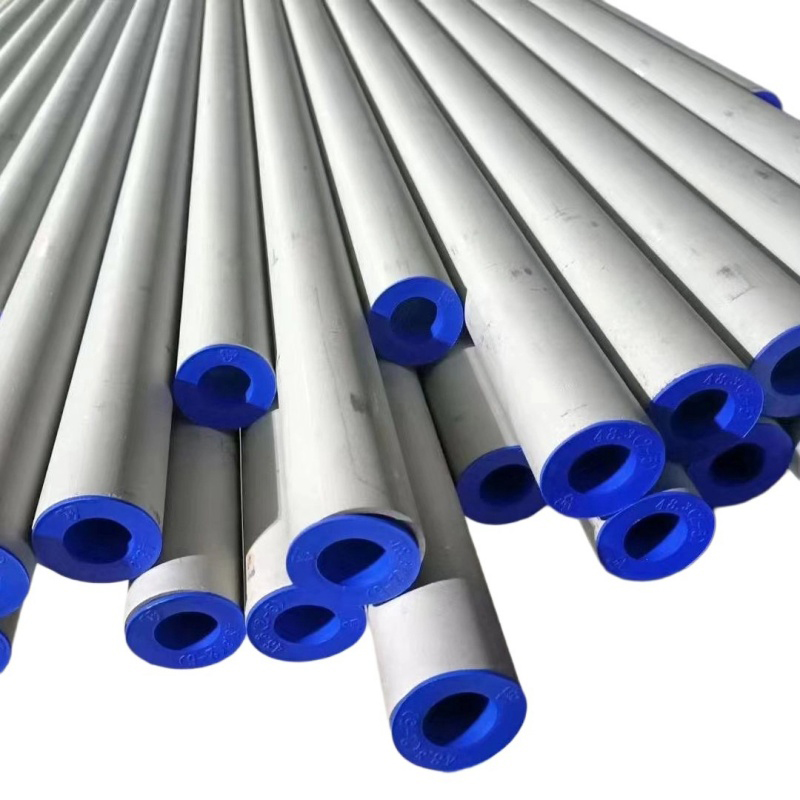
- Coating, storage, packaging, and transport protection requirements.
For example, a technically correct tubing order can still create field delays if the connection is incompatible with existing completion equipment or if thread protectors are inadequate for transport. That is why procurement, drilling, and completion teams often review OCTG pipe orders together before final release.
Conclusion
OCTG pipe is the critical tubular system that makes drilling, well integrity, and hydrocarbon production possible. The right choice depends on function, load, pressure, fluid chemistry, and connection reliability—not on diameter or price alone. Drill pipe, casing, and tubing each solve a different operational problem, and selecting them correctly reduces failure risk, protects production, and improves total project economics.
For any practical application, the strongest approach is to match the OCTG pipe specification to the actual well environment, verify the mechanical design margins, and treat connection and corrosion performance as core requirements rather than secondary details.