
 English
 русский
Content
What Is Coiled Tubing?
Coiled tubing (CT) is a continuous length of small-diameter metal pipe supplied on a large spool, eliminating the need for threaded joints found in conventional pipe strings. Rather than assembling individual sections downhole, operators unspool and inject a single, uninterrupted tube — then rewind it when the job is complete. This design fundamentally changes the economics and logistics of well intervention and industrial fluid delivery.
Typical outer diameters range from 0.75 in to 4.5 in (19 mm to 114 mm), with a single string extending anywhere from 2,000 ft to more than 30,000 ft (600 m to 9,000 m). The tubing is manufactured to tight dimensional tolerances and heat-treated to achieve yield strengths commonly between 55,000 PSI and 120,000 PSI, depending on the grade selected for the operating environment.
Unlike wireline, coiled tubing can both convey tools mechanically and pump fluids simultaneously — a capability that makes it indispensable for a wide range of subsurface and process operations.
How Coiled Tubing Works
At the heart of every coiled tubing operation is the Coiled Tubing Unit (CTU), a self-contained surface assembly built around four core components:
- Reel: A large drum storing the entire tubing string. A hydraulic motor controls spooling speed and tension during run-in and retrieval.
- Injector Head: A chain-driven gripper assembly that straightens the tubing from the reel and drives it into the wellbore under controlled force, typically rated from 20,000 to over 80,000 lbf.
- Blowout Preventer (BOP) Stack: Provides a dynamic pressure seal around the moving tubing, enabling operations on live, pressurized wells without shutting in production.
- Control Cabin: A pressurized operator station housing the hydraulic controls, weight indicators, and data acquisition systems that govern the entire operation.
During a run, the injector pushes the straightened tubing into the well while treatment fluids are pumped continuously through the tube bore. Upon completion, the injector reverses, pulling the tubing out and rewinding it onto the reel. Because the string is jointless, circulation never needs to stop regardless of whether the tube is moving up, down, or stationary — a decisive operational advantage over jointed pipe methods.
Core Applications of Coiled Tubing
The combination of continuous injection, fluid pumping capability, and mechanical tool conveyance makes coiled tubing applicable across a broad spectrum of industries.
Oil and Gas Well Intervention
This remains the largest application segment. Coiled tubing is routinely deployed for wellbore cleanouts (removing sand, scale, and proppant fill), nitrogen kick operations to unload killed wells, acidizing treatments to restore permeability, cementing perforations, and setting or retrieving downhole plugs and packers. Its ability to work on live wells without a full workover rig translates directly into reduced non-productive time and significant cost savings per well.
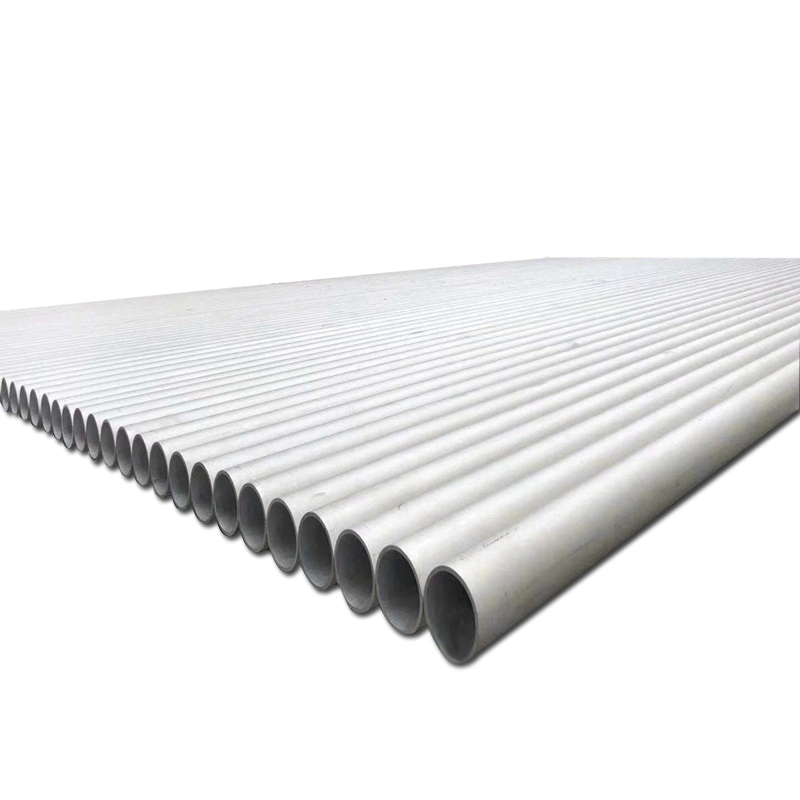
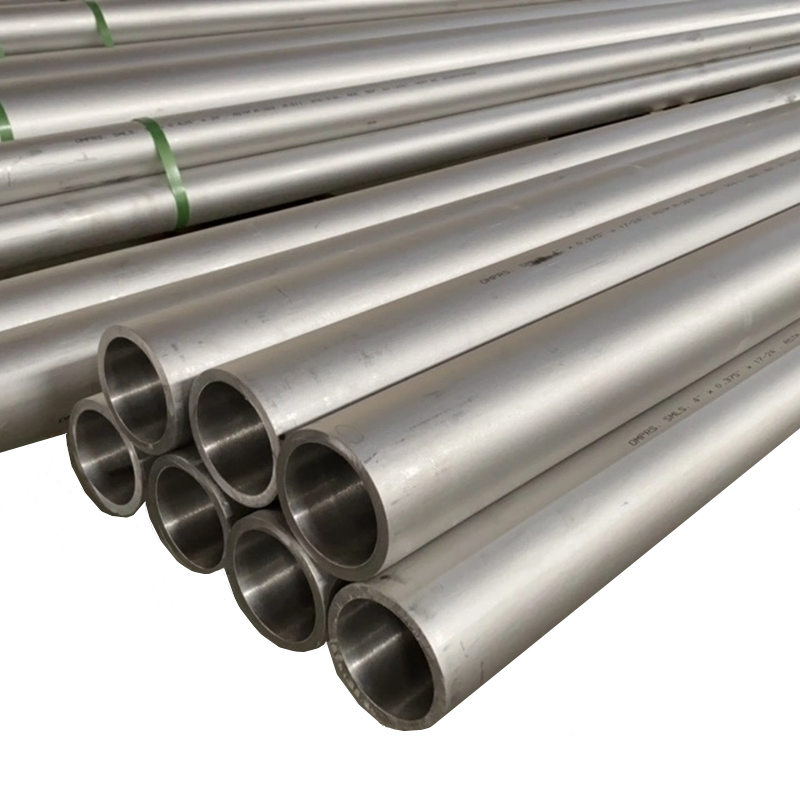
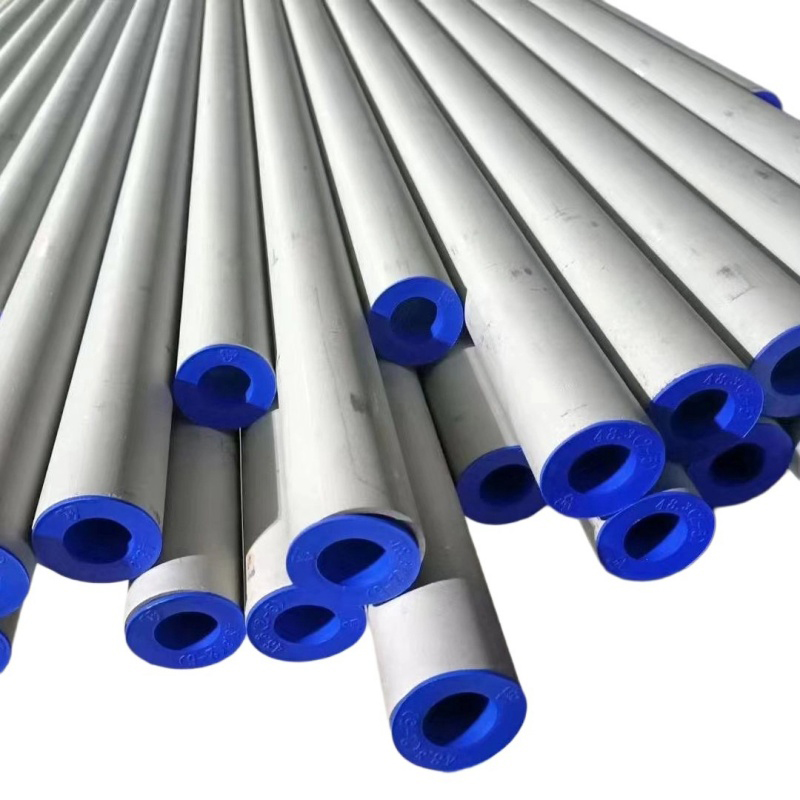
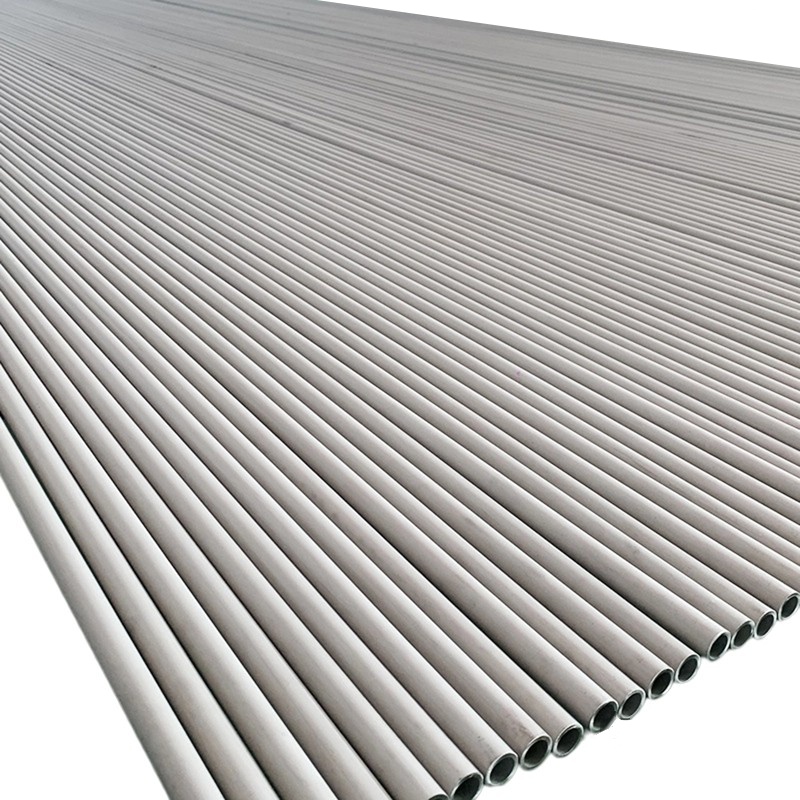
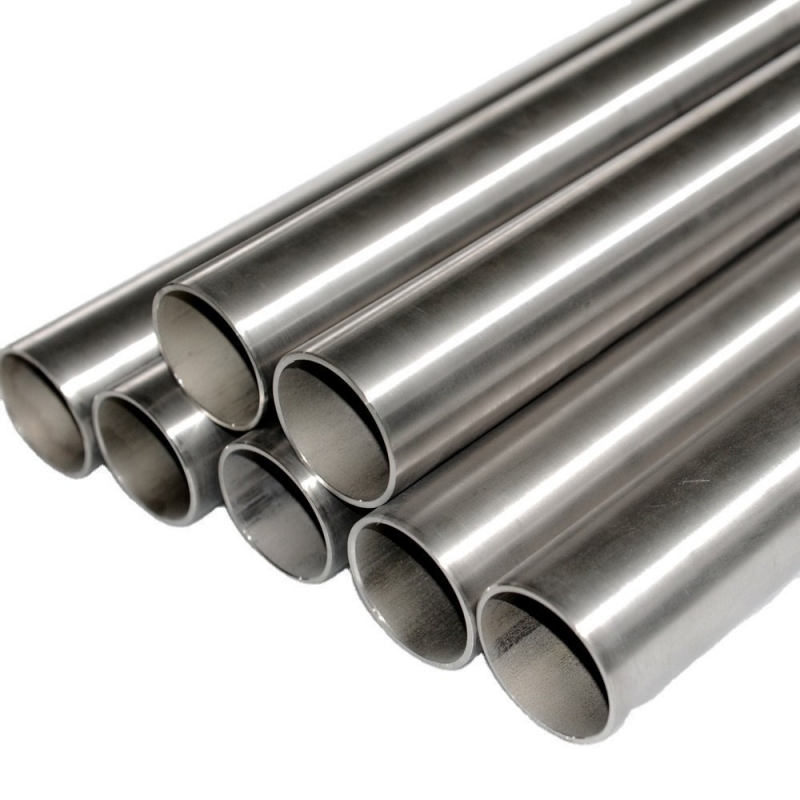
For extended-reach and horizontal wells, coiled tubing is particularly valued because it can be pushed — rather than relying solely on gravity — through high-angle or tortuous wellbores where wireline tools simply cannot reach. You can explore stainless steel seamless tubes designed for high-pressure petrochemical environments that meet the demanding specifications required in these applications.
Chemical Injection and Process Industries
Continuous coiled tubing strings are widely used as chemical injection lines in subsea and topside production systems, delivering corrosion inhibitors, scale dissolvers, and methanol to precise locations within the completion. The jointless construction eliminates the leak points inherent in threaded connections — a critical advantage when handling aggressive or flammable chemicals at elevated pressures.
Heat Exchanger and Thermal Systems
In heat exchanger design, coiled or U-bent tubing offers a compact, high-surface-area geometry that maximizes thermal transfer efficiency within a minimal footprint. Stainless steel coiled tubes are installed in shell-and-tube exchangers, condensers, and evaporators across petrochemical, food processing, and pharmaceutical plants where corrosion resistance and hygienic surfaces are non-negotiable.
Drilling Applications
Coiled tubing drilling (CTD) replaces conventional drill pipe in certain underbalanced or slim-hole drilling programs. A downhole motor is attached to the bottom-hole assembly (BHA) and the CT string rotates the bit without surface rotation of the pipe — reducing formation damage and enabling continuous drilling without connection time.
Material Grades for Coiled Tubing
Material selection is the single most consequential decision in coiled tubing procurement. The operating environment — temperature, pressure, fluid chemistry, and cyclic fatigue loads — determines which alloy system delivers reliable service life without over-engineering cost.
| Material Grade | Key Properties | Recommended Environment |
|---|---|---|
| 304 / 304L Stainless Steel | Good general corrosion resistance, cost-effective, excellent formability | Freshwater systems, mild chemical injection, food/pharma heat exchangers |
| 316 / 316L Stainless Steel | Superior chloride and pitting resistance due to 2–3% Mo addition | Marine environments, offshore chemical lines, seawater-cooled exchangers |
| Duplex 2205 (S32205) | 2× yield strength of 316L, excellent stress corrosion cracking resistance | High-pressure sour gas wells, subsea control lines, deep offshore applications |
| Super Duplex 2507 (S32750) | PREN >40, outstanding resistance to chloride pitting and crevice corrosion | Highly aggressive produced water, high-chloride injection environments |
| Alloy 625 (N06625) | Excellent high-temperature strength, outstanding oxidation resistance | High-temperature process lines, sour service above 150°C, geothermal wells |
| Alloy 825 (N08825) | Versatile Ni-Fe-Cr alloy, strong sulfuric/phosphoric acid resistance | Chemical injection in H₂S and CO₂-rich wells, acidizing service lines |
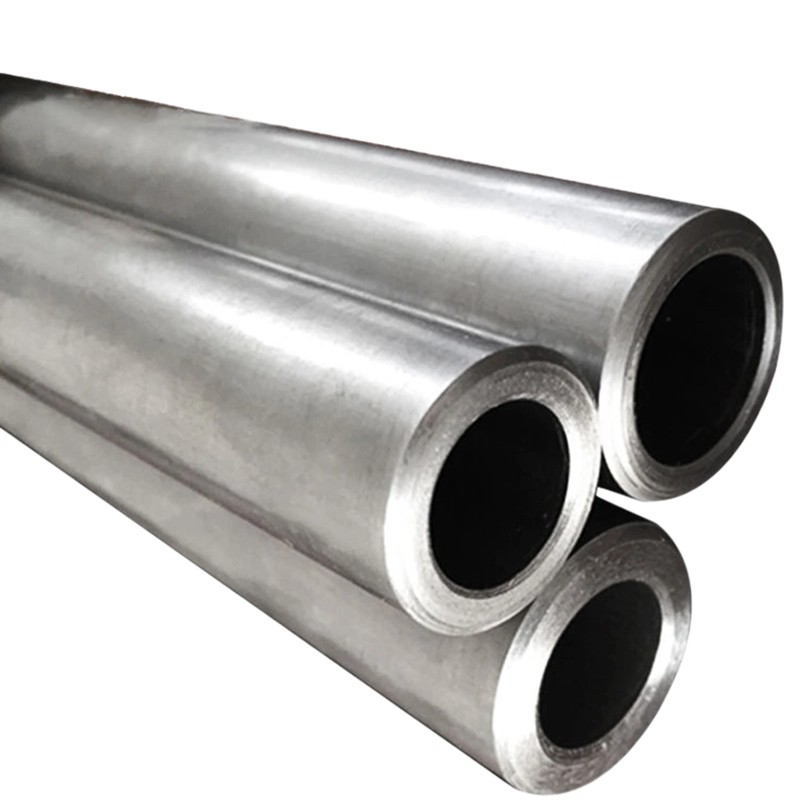
For downhole control and signal transmission applications, the tubing bore diameter and wall thickness tolerance are equally important. Precision instrument tubes engineered for downhole control and signal lines must meet tighter OD and wall tolerances than standard pressure piping — typically within ±0.05 mm on OD — to ensure reliable tool performance and consistent hydraulic response.
Fatigue life is another critical parameter specific to coiled tubing. Because the string is cycled from coil to straight to coil on every job, cumulative plastic strain accumulates with each run. High-strength grades like duplex stainless steels maintain better fatigue resistance under these repeated bending cycles compared to standard austenitic grades, extending the usable life of the string.
Coiled Tubing vs. Conventional Jointed Pipe
The decision between coiled tubing and conventional jointed pipe (workover rig) involves trade-offs across operational efficiency, well safety, and total intervention cost. The table below summarizes the key differentiators:
| Parameter | Coiled Tubing | Jointed Pipe (Workover Rig) |
|---|---|---|
| Well Control | Works on live wells; no need to kill well | Typically requires well kill before intervention |
| Rig-Up Time | Hours (compact CTU footprint) | Days (full rig mobilization) |
| Continuous Circulation | Yes — fluids pumped at any time | No — interrupted during connections |
| Horizontal / Deviated Wells | Excellent — can push through high-angle sections | Limited by gravity; requires tractors in high-angle wells |
| Production Disruption | Minimal — live well operations | Significant — well often shut in |
| Offshore Footprint | Compact; suitable for small platforms | Large; may require dedicated rig |
| Reusability | String fatigue limits total run count | Joints reused many times if undamaged |
In practice, coiled tubing delivers the greatest return on investment in high-frequency, short-duration interventions on producing wells where minimizing downtime is the priority. Full workover rigs remain the preferred option when extensive mechanical work — such as casing repairs or zonal re-completions — demands the structural load capacity that only a rig can provide.
Standards and Quality Requirements
Coiled tubing used in oil and gas service is governed by international specifications covering coiled tubing design and performance qualification, with API and ASTM being the primary frameworks referenced by operators worldwide.
API specifications define requirements for coiled tubing string design, material grades, pressure ratings, and service life tracking. Compliance with these documents provides operators with a documented basis for fatigue management — critical for maintaining well control integrity across multiple runs.
ASTM material standards govern the chemical composition, mechanical properties, and heat treatment of the base alloys. For stainless steel grades, ASTM A213, A269, and A789 are frequently specified for seamless and welded coiled tubing products respectively.
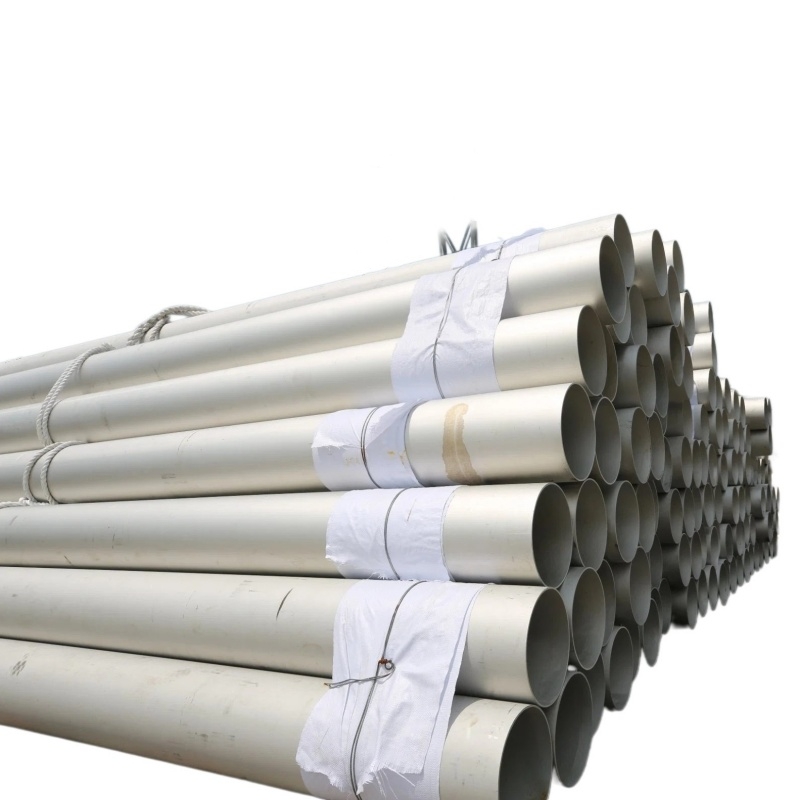
Beyond material standards, quality manufacturing requires non-destructive testing (NDT) at every production stage: eddy current testing for surface and near-surface defects, hydrostatic pressure testing at 1.5× working pressure, and dimensional verification with laser gauging systems. Welded stainless steel tubes built for continuous industrial fluid transportation must pass the same rigorous NDT protocols to ensure weld seam integrity across the full operating pressure range.
For applications outside oil and gas — such as pharmaceutical heat exchangers or food processing — additional certifications including PED (Pressure Equipment Directive), 3-A Sanitary Standards, and ISO 9001 quality management systems are commonly required and should be confirmed with the manufacturer before ordering.
How to Select a Coiled Tubing Supplier
Coiled tubing is a safety-critical component operating under cyclic stress, high pressure, and often corrosive media. Choosing a supplier on price alone is a high-risk strategy. The following criteria provide a structured framework for supplier qualification:
- Material Traceability: Every tube should be accompanied by mill test reports (MTRs) certifying chemical composition and mechanical properties against the specified ASTM or API standard. Heat-to-heat traceability is non-negotiable for pressure service.
- Dimensional Precision: Confirm that the supplier holds OD tolerances to ±0.1 mm or better for standard sizes and ±0.05 mm for precision control line applications. Inconsistent wall thickness directly accelerates fatigue damage at stress concentration points.
- Third-Party Certifications: Look for ISO 9001 quality management, PED certification for European markets, and ship classification society approvals (ABS, DNV, BV, LR) if the tubing is destined for offshore or marine service.
- Customization Capability: High-performance projects often require non-standard OD/wall combinations, specific alloy grades, or pre-filled hydraulic control lines. A supplier with OEM and ODM capabilities can respond to these requirements without routing through intermediaries.
- Testing Infrastructure: On-site NDT equipment — including eddy current testers, ultrasonic wall thickness gauges, and hydrostatic test benches — eliminates reliance on third-party labs and accelerates quality release time.
- Lead Time and Inventory: Evaluate the supplier's ability to hold finished-goods stock in common sizes versus make-to-order only. For emergency well interventions, availability in days rather than weeks can be operationally decisive.
Working with a vertically integrated manufacturer — one that controls raw material sourcing, tube forming, heat treatment, and final testing under a single roof — reduces the quality risk inherent in multi-tier supply chains and provides a single point of accountability when issues arise in the field.