
 English
 русский
Content
- 1 Cold Rolled Stainless Steel Is a Process, Not a Grade
- 2 What the Process Changes in a Real Tube
- 3 Cold Rolled Versus Hot Rolled: A Side-by-Side View
- 4 Grades You Will Meet Most Often
- 5 Finishes That Come After Cold Rolling
- 6 Where Cold Rolled Stainless Steel Tube Earns Its Place
- 7 Questions Worth Asking Before You Order
Ask ten people what cold rolled stainless steel means and most of them will describe a flat product: a sheet or a coil, smooth on both faces, usually headed for a laser cutter or a press brake. That is a fair answer, because sheet and strip are where the phrase is heard most. But if your work is pipe and tube, those same two words describe something a little different — a wall that holds the thickness your drawing calls for, an outside diameter that stays put along the whole length, and a surface that behaves itself through welding, bending and cleaning.
We have spent more than sixteen years making stainless tube and pipe, so we tend to look at cold rolling from the shop floor rather than the catalogue page. Here is what the process actually does, how it differs from hot rolling, and what is worth checking before you place an order.
Cold Rolled Stainless Steel Is a Process, Not a Grade
The first thing to settle is a common mix-up. Cold rolled is not a steel type, an alloy number or a quality ranking. It is a description of how the material was reduced to its final thickness. Any austenitic grade — 304, 304L, 316L, 321, 347H — plus duplex and super-austenitic grades can be supplied in cold rolled form. The chemistry, and therefore the corrosion behaviour, comes from the melt, not from the mill stand.
The sequence is straightforward. A hot rolled coil leaves the mill at high temperature, which produces a dark oxide scale and fairly generous thickness variation. After pickling and descaling, that coil is rolled again at room temperature, passing back and forth between hardened rolls, with each pass taking the thickness down by a controlled amount. Because the metal is not being heated, it does not recrystallise as it goes: it gets harder, stronger and less ductile with every pass. That is why a finishing anneal usually follows, and why the phrase "cold rolled" quietly carries the question "and then annealed how?"
For tube, the same idea appears in two common forms: cold drawing or cold pilgering of a hollow shell to form seamless tube, and cold reducing or sizing of welded tube to bring the diameter and wall into a tight window.
What the Process Changes in a Real Tube
Strength rises, ductility drops
Work hardening is the headline effect. A cold rolled wall carries a noticeably higher yield strength than the same wall in the hot rolled, fully annealed condition, which is useful when a component needs stiffness without extra weight. The trade-off is elongation: a hard tube bends reluctantly and may crack at a tight radius. If the part will be flared, expanded or roll-formed after delivery, the temper has to be agreed up front rather than assumed.
Tolerances become something you can design around
Cold reduction gives far better control of wall thickness, outside diameter, ovality and straightness. This is the single biggest reason cold rolled tubing turns up in instruments, heat exchangers and hydraulic lines — designers can specify a thin wall and actually get it, without building in a safety margin that costs weight and money.
In practice, wall tolerances on cold reduced precision tube can be held to a fraction of what is realistic on a hot rolled heavy wall. Worth remembering when someone quotes you an attractive price on a specification that quietly relaxes the tolerance clause.
The surface arrives cleaner
No high-temperature oxide scale means less pickling, fewer acid-induced pits and a smoother starting surface. That matters twice: once cosmetically, and once because a smoother inside wall reduces drag, holds fewer particles and is easier to clean and passivate. Electrochemical polishing later in the route can only build on what cold rolling delivered.
Cold Rolled Versus Hot Rolled: A Side-by-Side View
Neither route is better in the abstract. The right question is which one suits your wall, quantity and tolerance. The table below sets out the usual differences; the numbers behind them come from the standard and the purchase order, not from a marketing sheet.
| What you compare | Hot rolled | Cold rolled |
|---|---|---|
| Forming temperature | Above recrystallisation, oxide scale forms | Room temperature, no scale |
| Practical wall range | Medium to heavy walls, economical at larger sections | Thin to medium walls, down to roughly 0.5 mm |
| Dimensional tolerance | Wider band | Tight OD, wall and concentricity |
| Surface condition | Pickled, matte, coarser roughness | Smooth; bright after annealing, polishable to very low Ra |
| Strength as supplied | Annealed, softer, higher elongation | Work hardened unless annealed; higher yield, lower elongation |
| Residual stress | Low | Can be significant; stress relief matters before machining |
| Typical use | Structural sections, large diameter, heavy wall | Instrument tubing, heat exchanger tubes, hydraulic and precision parts |
Grades You Will Meet Most Often
Most cold rolled tube enquiries land on 304 or 316L, and for good reason. 304 covers general service indoors and in mildly corrosive conditions. 316L adds molybdenum and a low carbon content, which raises pitting resistance in chloride environments and keeps welds from sensitising. Beyond that, 321 and 347H appear where service temperatures climb, duplex 2205 shows up in marine and chloride-rich duty, and the super-austenitic grades handle aggressive chemical streams. The grade question is answered by the medium, the temperature and the cleaning regime — not by which one is easiest to buy this week.
Finishes That Come After Cold Rolling
Cold rolling gets the tube to size; the finish decides how it performs. Bright annealing in a controlled hydrogen atmosphere is the workhorse, giving a clean, scale-free surface while restoring ductility and corrosion resistance. From there the route can branch:
- BA tube — bright annealed, bright inside and out, common in instrumentation and semiconductor gas lines.
- EP tube — electrochemically polished to raise the chromium-to-iron ratio at the surface, used where ultra-high purity or hygiene is non-negotiable.
- MP tube — mechanically polished to a controlled roughness, often specified by Ra value and inspected by profilometer.
- Pickled and passivated — a practical, cost-effective finish for larger industrial tubes.
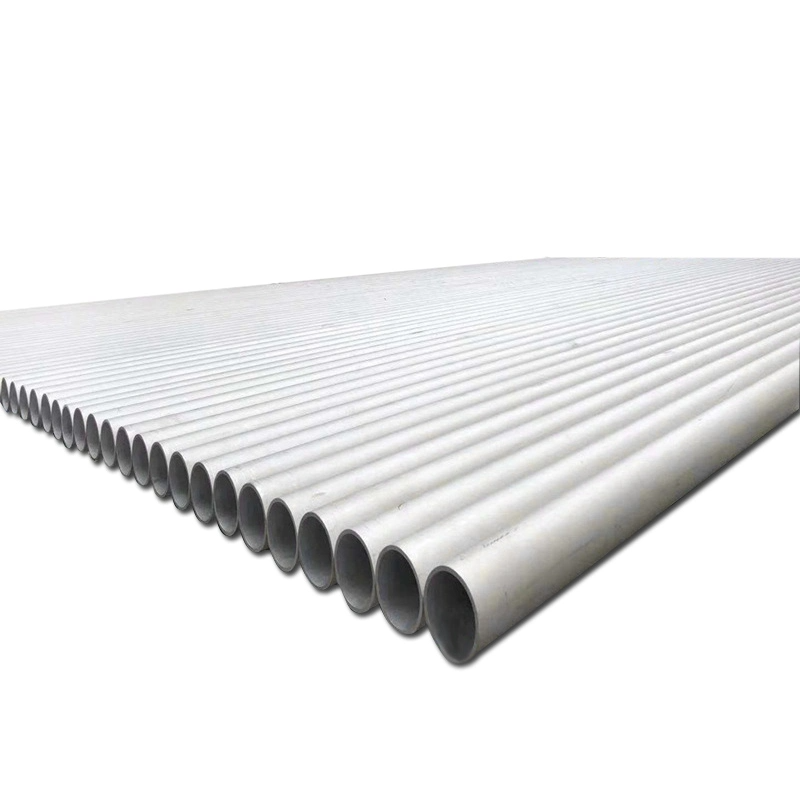
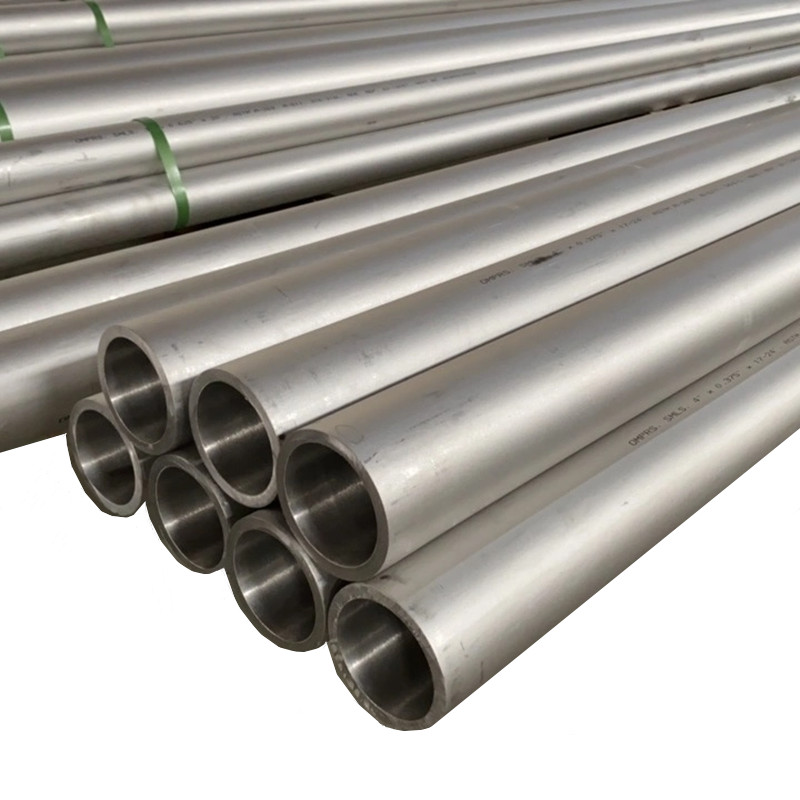
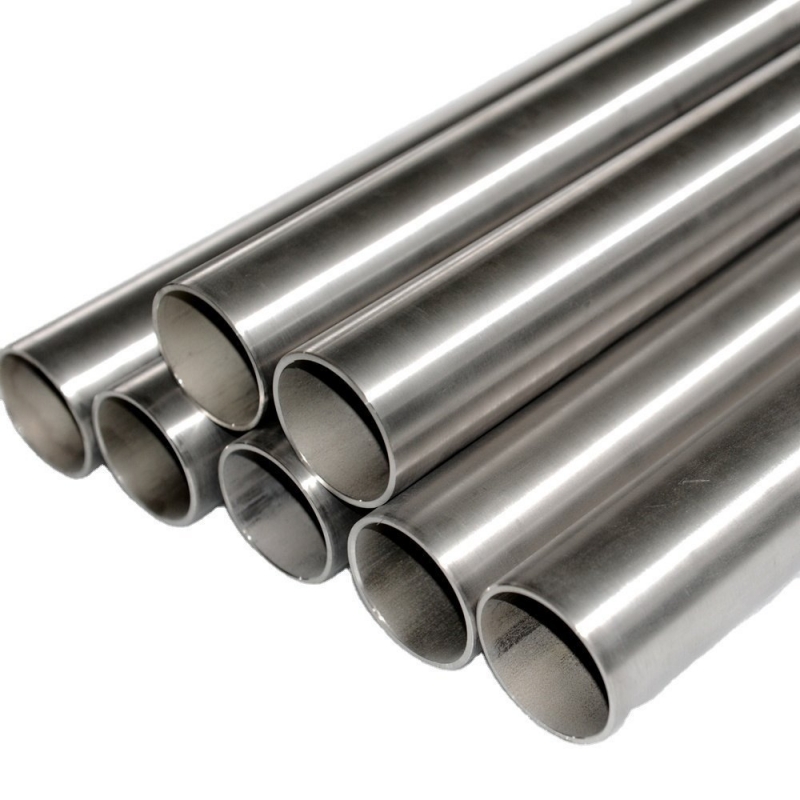
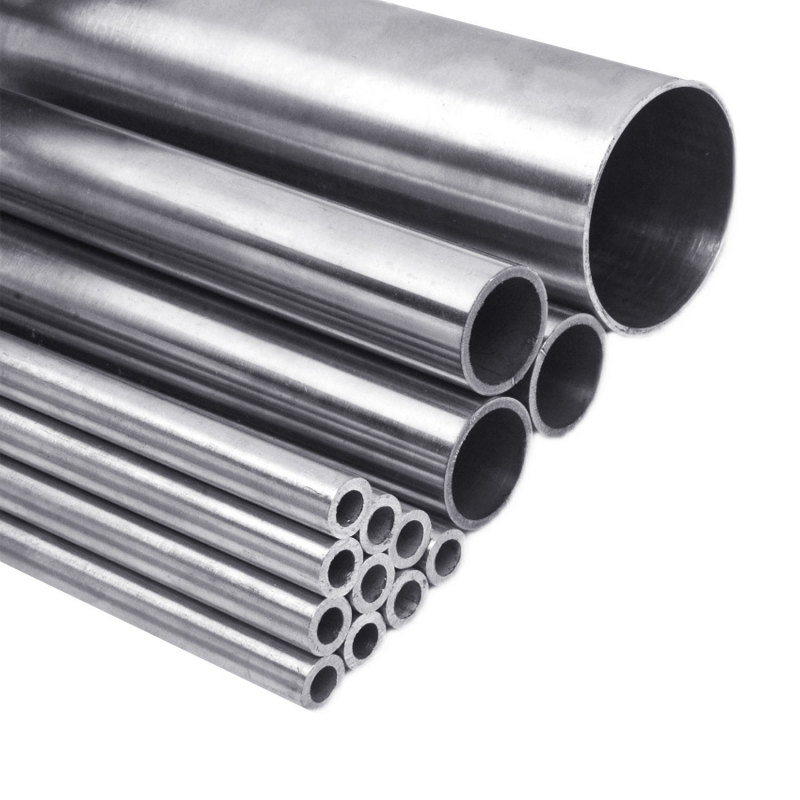 Cold Rolled Precision Seamless Stainless Steel MP TubeMechanically polished cold-rolled seamless stainless tube for bright, clean surfaces; check process route, passivation needs and polishing residue for corrosive service.View Product →
One caution we repeat often: a bright surface is not automatically a passive surface. If the annealing atmosphere was poor or the polishing dragged iron across the wall, corrosion will show up months later in service. Ask for the process route, not only the finish name.
Where Cold Rolled Stainless Steel Tube Earns Its Place
The common thread across applications is a demand for accuracy or cleanliness that hot rolled product cannot meet economically:
- Heat exchanger and condenser bundles, where wall consistency drives thermal performance.
- Instrument and impulse lines for measurement and control, where a burr-free clean bore matters.
- Hydraulic and pneumatic lines on machinery, where thin walls save weight.
- Pharmaceutical, food and drinking water systems, where surface roughness governs cleanability.
- Shipbuilding and offshore service, where a cold rolled finish plus the right grade resists chloride attack.
- High-precision mechanical parts, where the tube is machined rather than welded.
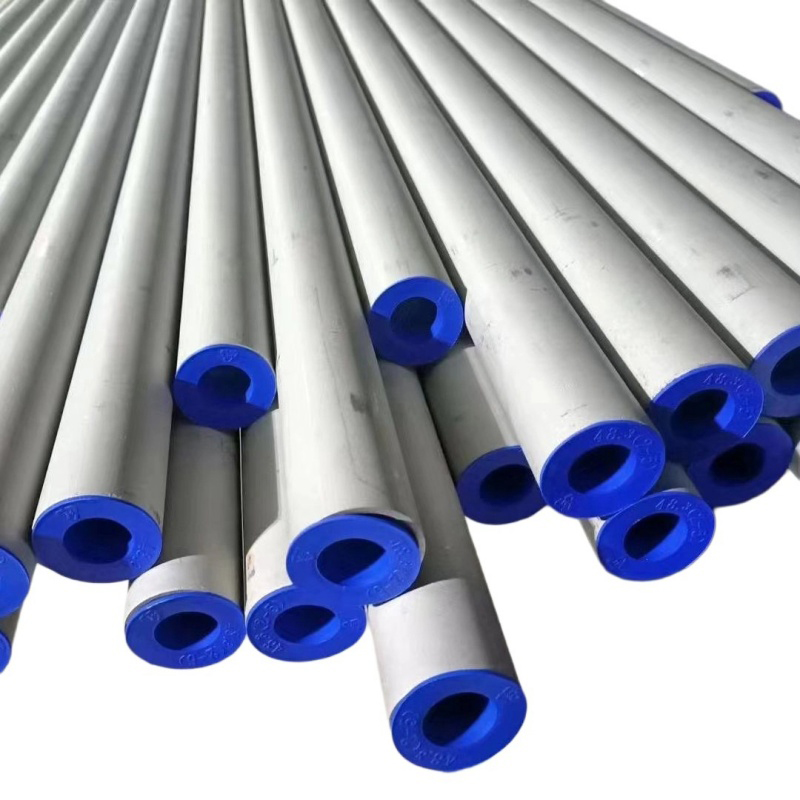
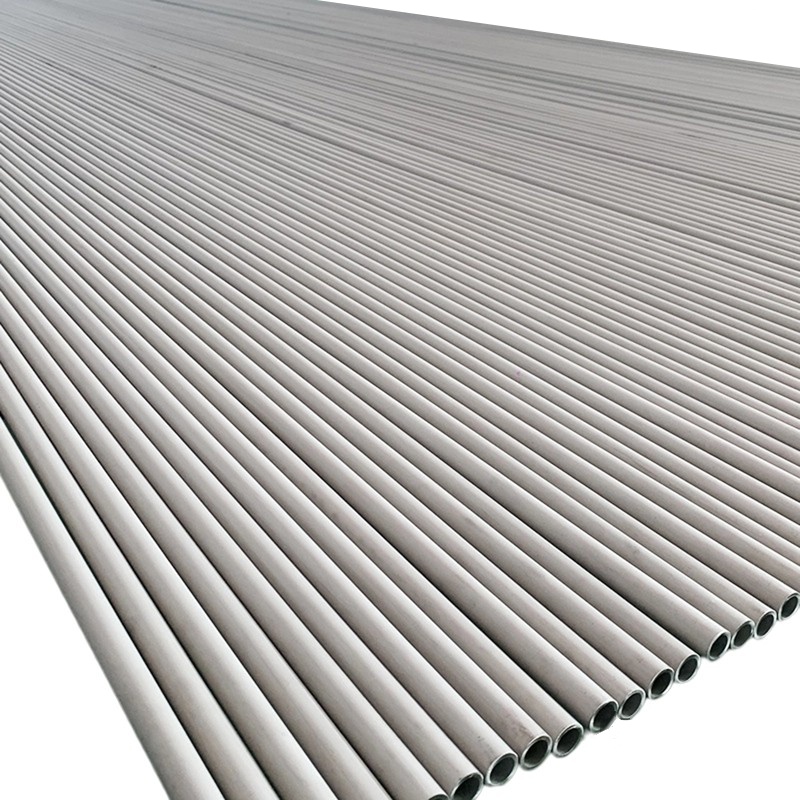
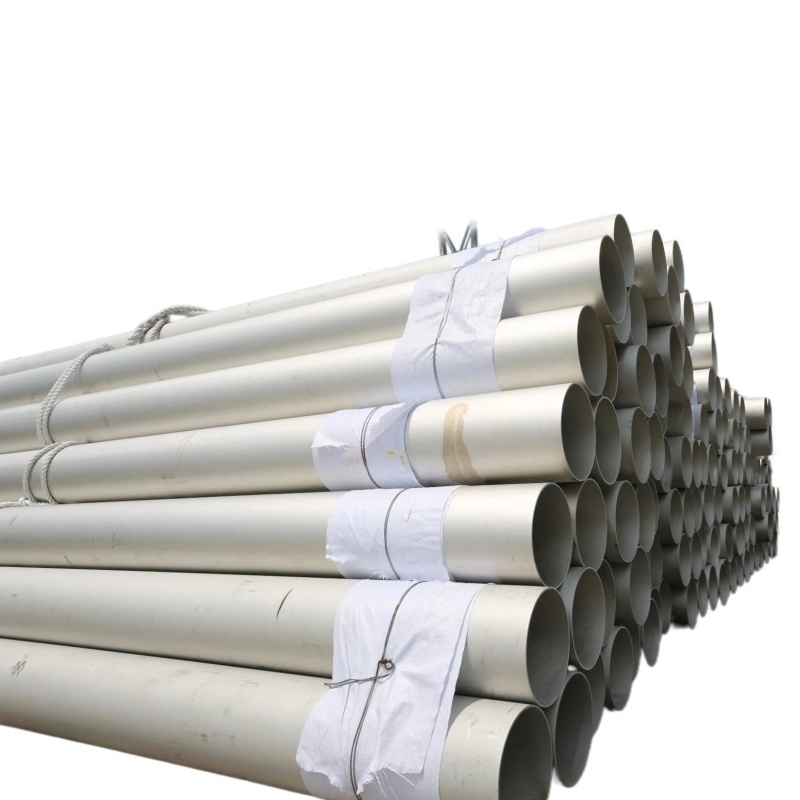
 Cold Rolled Stainless Steel Tubes and Pipes for ShipbuildingCold-drawn and cold-rolled marine stainless pipes for shipbuilding, offered in multiple grades, surfaces and certification options; specify grade, temper and finish for accurate clean installation.View Product →
We have shipped cold rolled tube into most of these duties over the years, and the projects that go smoothly are almost always the ones where grade, temper and finish were written down before the first metre was rolled.
Questions Worth Asking Before You Order
Whether you buy from us or elsewhere, a short checklist saves a long argument. Confirm the grade and the standard it is ordered to — ASTM A269, A213, A312 or EN 10216-5 behave differently on tolerance and testing. Confirm the temper: annealed, bright annealed, or deliberately hard. Confirm the finish, and ask whether it is a process claim or a measured value. Confirm the tests: hydrostatic or eddy current, plus any intergranular corrosion or flattening test your end user requires.
Our stainless steel pipe size and composition comparison table is a reasonable place to sanity-check a nominal size against a wall before it becomes a purchase order. And if you want to see how the material is actually handled between rolling and dispatch, the factory tour is open to visitors and customers.
Cold rolled stainless steel rewards a little attention at the specification stage. Get the temper, the tolerance and the surface agreed, and the tube will do exactly what the drawing promised for the next twenty years. Leave those three words vague, and no amount of goodwill at the loading dock will fix it. If you are weighing up a particular duty and want a second opinion on grade or finish, our team is always glad to talk it through — most of what we know came from conversations exactly like that one.