
 English
 русский
Content
- 1 What 1.4404 Stainless Steel Actually Is
- 2 Chemical Composition and Why Low Carbon Matters
- 3 Mechanical and Physical Properties at a Glance
- 4 Corrosion Resistance in Real Service Conditions
- 5 Where 1.4404 Pipe and Tube Fit Best
- 6 Fabrication, Welding, and Surface Finish
- 7 Sourcing 1.4404 Without Guesswork
1.4404 stainless steel is one of those grades that quietly does a lot of work. In EN standards, 1.4404 is the low-carbon, molybdenum-bearing austenitic grade that most buyers know as 316L. It is not the flashiest alloy, but it is often the practical answer when 304 starts to struggle with chlorides, mixed acids, or a welded joint that must stay corrosion resistant. At Xinhang Special Material, after more than 16 years of making stainless pipe and tube, we still see projects where the grade name is simple but the purchase decision is not. This guide explains what 1.4404 is, how it behaves, and where it fits in real piping systems.
What 1.4404 Stainless Steel Actually Is
1.4404 is the EN numeric designation for X2CrNiMo17-12-2, an austenitic stainless steel with about 17% chromium, 12% nickel, and 2% molybdenum. Its AISI designation is 316L and its UNS number is S31603. The “L” means low carbon: 0.03% maximum, compared with 0.07% for 1.4401 / 316. That small difference matters after welding, because lower carbon reduces the risk of chromium carbide precipitation and the intergranular corrosion that can follow.
People often ask whether 1.4404 and 316L are the same. In everyday purchasing, yes, they point to the same grade family. For a formal order, however, the standard, product form, and test certificate should be checked. Our detailed 1.4404 material guide is useful if you need the full cross-reference list, but the practical point is simple: specify 1.4404 when you want 316L performance under a European designation.
| System | Designation |
|---|---|
| EN / DIN | 1.4404 / X2CrNiMo17-12-2 |
| AISI | 316L |
| UNS | S31603 |
| JIS | SUS316L |
Chemical Composition and Why Low Carbon Matters
The grade is built around a balanced austenitic chemistry. Chromium forms the passive surface film, molybdenum improves resistance to pitting and crevice corrosion, and nickel stabilizes the austenitic structure and supports toughness. Typical composition ranges are shown below; the exact limits should come from the governing standard and the mill certificate.
- Chromium: 16.0-18.0%
- Nickel: 10.0-14.0%
- Molybdenum: 2.0-2.5%
- Carbon: 0.03% max.
- Manganese: 2.0% max.
- Silicon: 0.75% max.
- Phosphorus: 0.045% max.
- Sulfur: 0.030% max.
- Iron: balance
Low carbon is the quiet advantage. When 316L is welded, the heat-affected zone is less likely to form chromium carbides that rob the grain boundaries of corrosion resistance. That does not make every weld acceptable, but it gives fabricators more room to work. The trade-off is lower high-temperature creep strength than 316H. For elevated-temperature pressure service, the design code and grade selection deserve a separate check.
Mechanical and Physical Properties at a Glance
In the annealed condition, 1.4404 combines moderate strength with high ductility. It work-hardens quickly, which is useful in cold-formed tube but requires controlled annealing after severe deformation. The values below are typical for guidance; actual acceptance values depend on product form, dimensions, and the standard called out on the order.
| Property | Typical value | Practical note |
|---|---|---|
| Tensile strength | 500-700 MPa | Minimum depends on product form |
| 0.2% proof strength | 200 MPa min. | Design to the governing code allowable |
| Elongation | 40% min. | Good ductility for bending and forming |
| Hardness | 215 HB max. | Soft annealed condition |
| Density | 8.0 g/cm3 | Useful for weight estimates |
| Melting range | 1370-1400°C | Not a service limit |
| Thermal conductivity | 15 W/mK at 20°C | Lower than carbon steel |
| Mean thermal expansion | 16.0 x 10^-6/K at 20-100°C | Allow for expansion in long runs |
Because the structure is austenitic, 1.4404 remains ductile at cryogenic temperatures and does not show a ductile-to-brittle transition like ferritic steels. That is one reason it appears in low-temperature and high-integrity piping, provided the impact and pressure requirements are properly specified.
Corrosion Resistance in Real Service Conditions
1.4404 earns its place through molybdenum. The grade resists dilute sulfuric acid, phosphoric acid, many organic acids, and chloride-containing environments better than 304. Its pitting resistance equivalent number is usually around 24-26, depending on exact composition. That is a meaningful step up, but it is not a seawater grade for continuous immersion. If a pipe will sit in warm, stagnant chloride brine, a duplex or super-austenitic grade may be the better choice.
The low carbon content helps welded assemblies keep their corrosion resistance, but it does not make a poor weld acceptable. Heat tint, slag, and embedded iron must be removed, and pickling and passivation restore the passive film. Austenitic grades can also suffer chloride stress corrosion cracking under the wrong combination of temperature, stress, and chloride concentration. In our experience, most “1.4404 corrosion problems” that reach the shop are not grade failures at all. They are stagnant pockets, wrong filler metal, or a surface left dirty after fabrication.
Where 1.4404 Pipe and Tube Fit Best
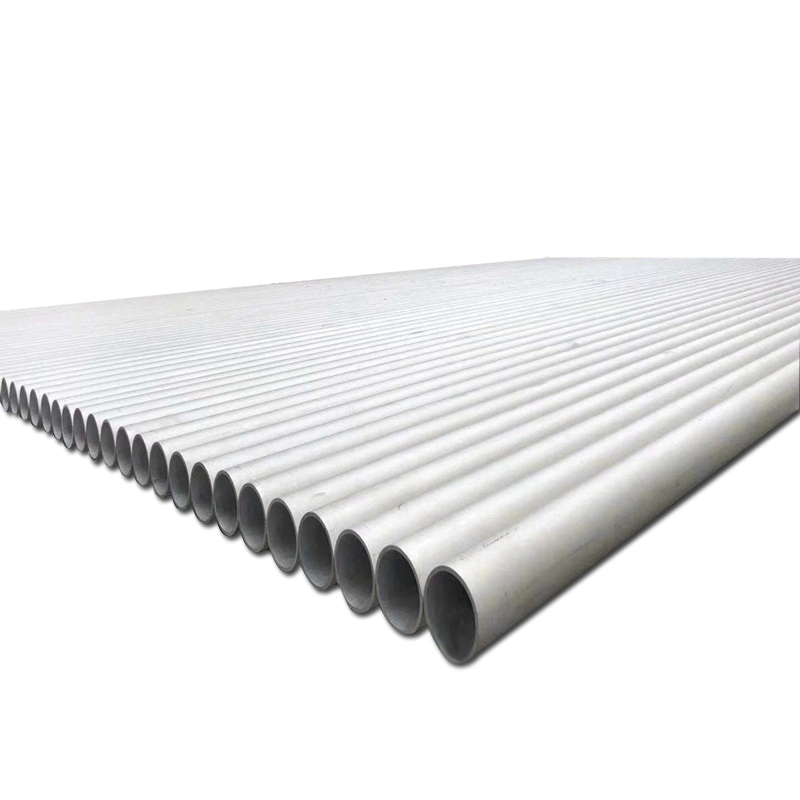
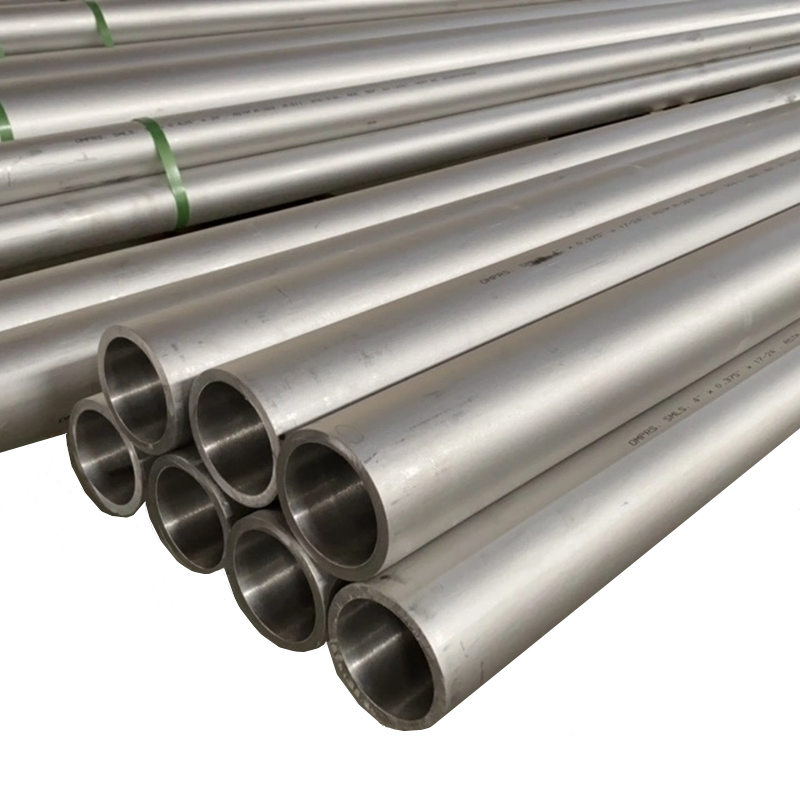
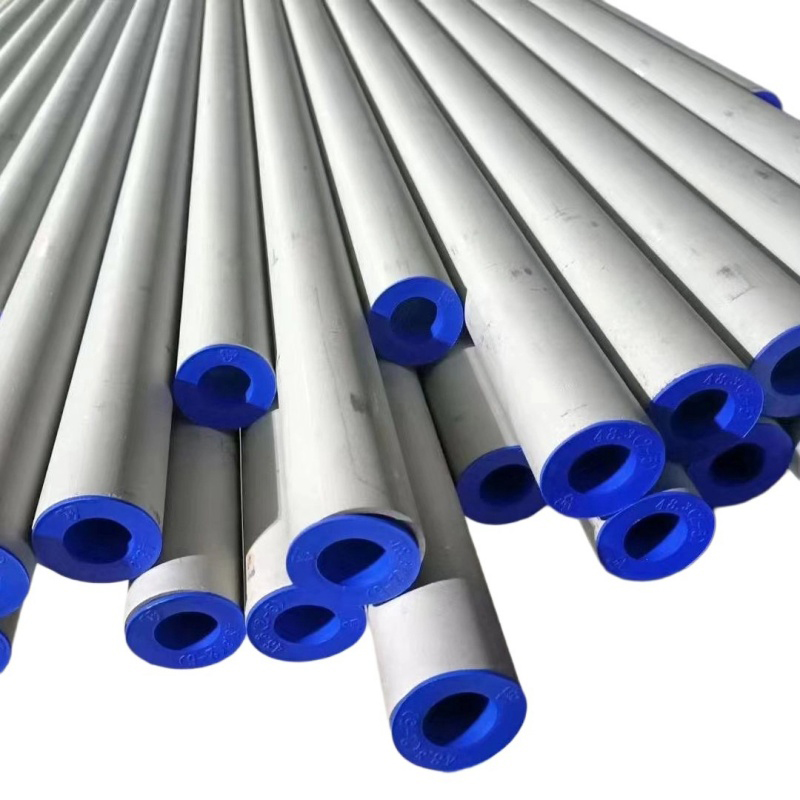
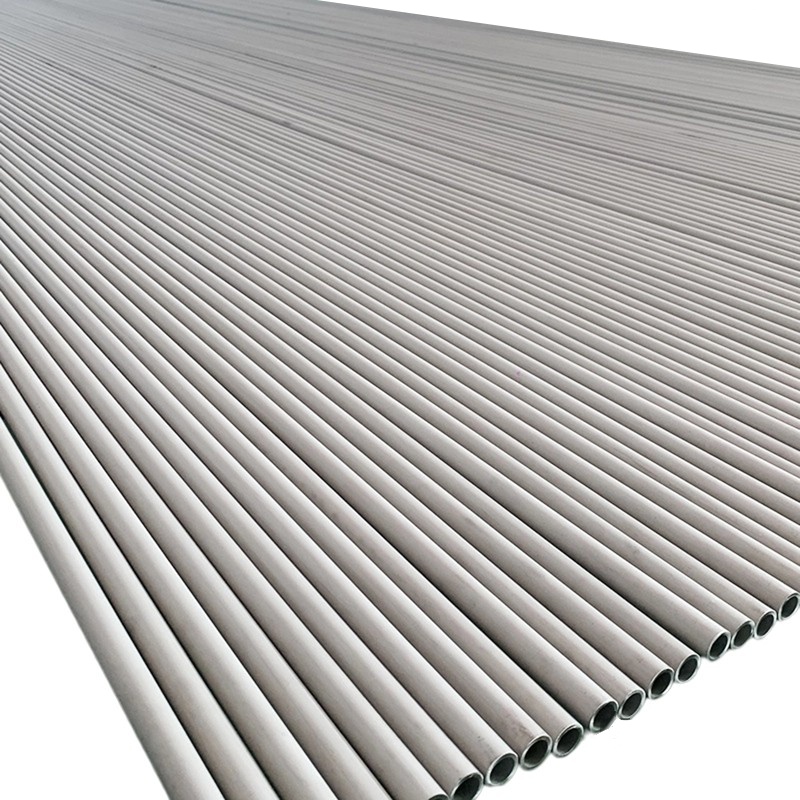
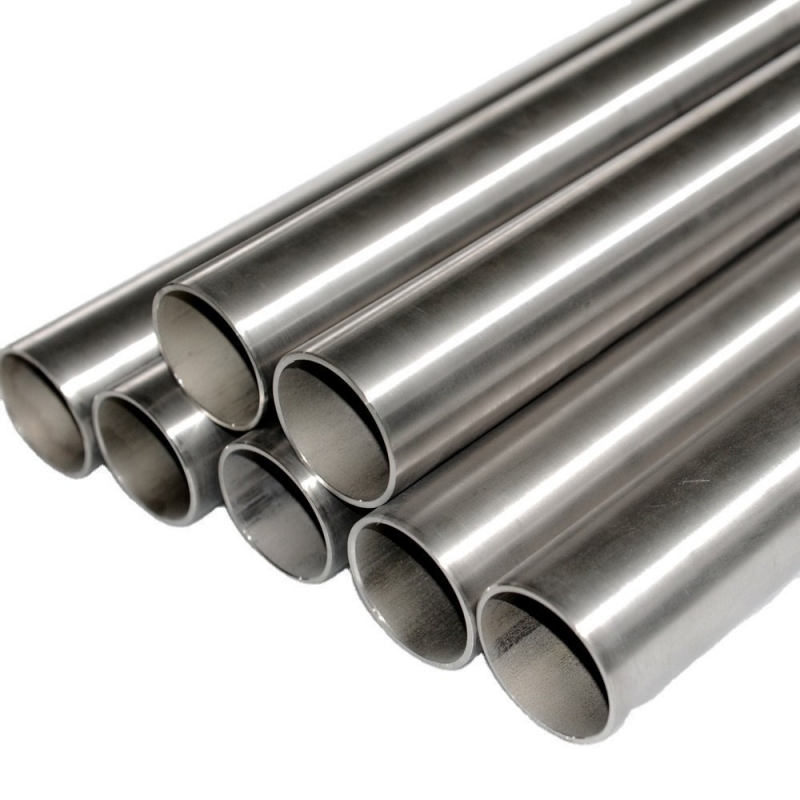
The grade is common in heat exchangers, condensers, boiler tubing, chemical process lines, pressure vessels, instrumentation, food and beverage piping, pharmaceutical systems, marine atmosphere service, and drinking-water installations. In tube form, wall thickness, ovality, and surface finish matter as much as the grade name. For heat exchangers, a clean bore and consistent dimensions support heat transfer and reduce fouling.
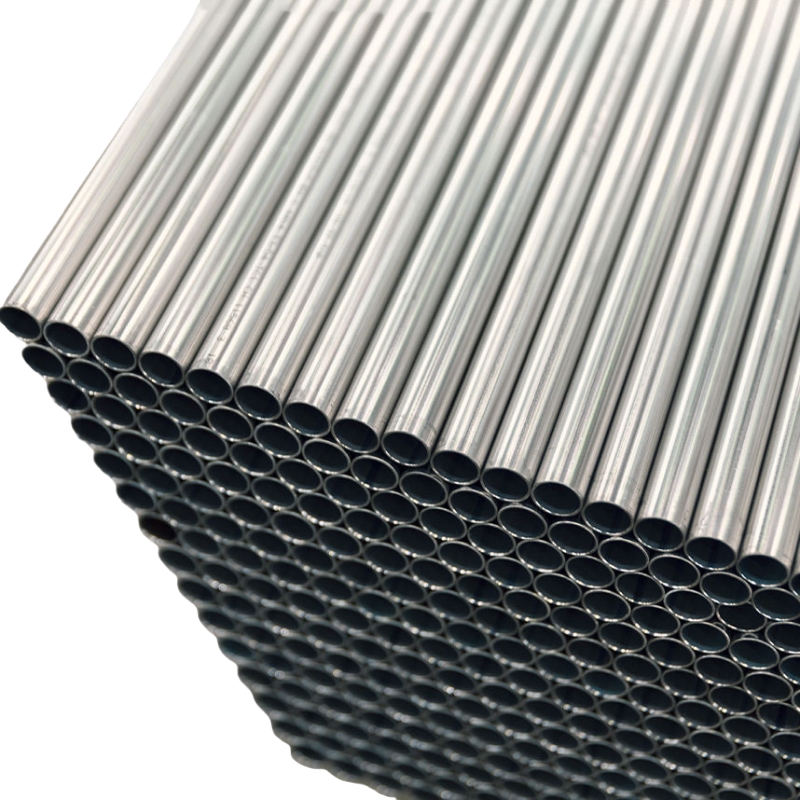 316L Heat Exchange Tubes for Boiler and Exchanger ServiceExplore 316L heat exchange tubes for boiler and exchanger duty, with welded or seamless forms and straight, bellows, spiral, expansion, or welded tube choices.View Product →
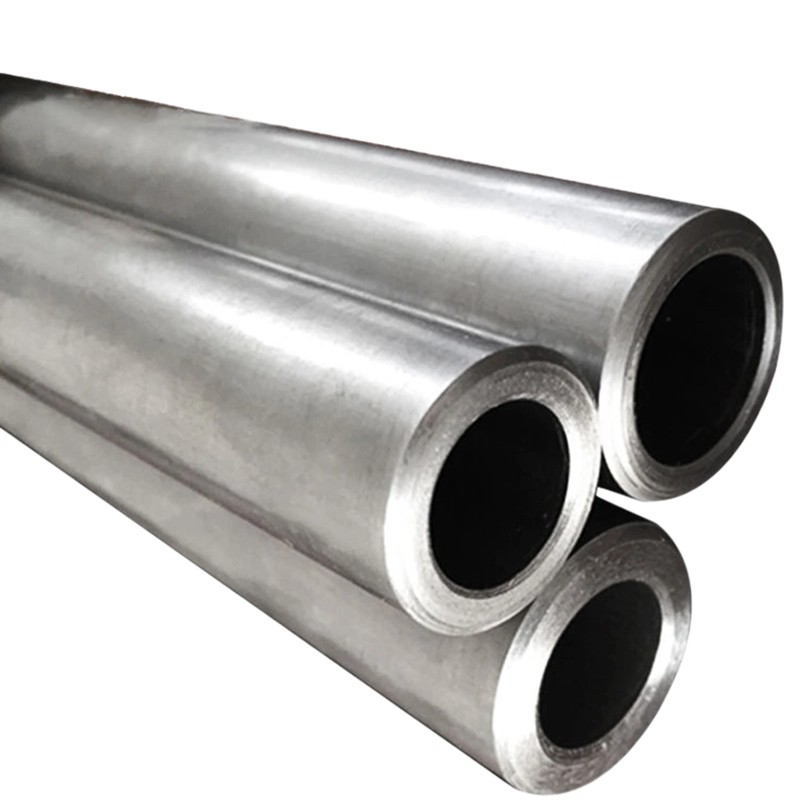
On the chemical side, a 316L seamless pipe with a clean interior and stable wall thickness can outlast a more exotic grade that was poorly fabricated. That is why we ask about the medium, temperature, chloride level, and cleaning regime before quoting a 1.4404 line. The same logic applies to sanitary and high-purity systems, where the surface condition often decides whether the installation stays clean and reliable.
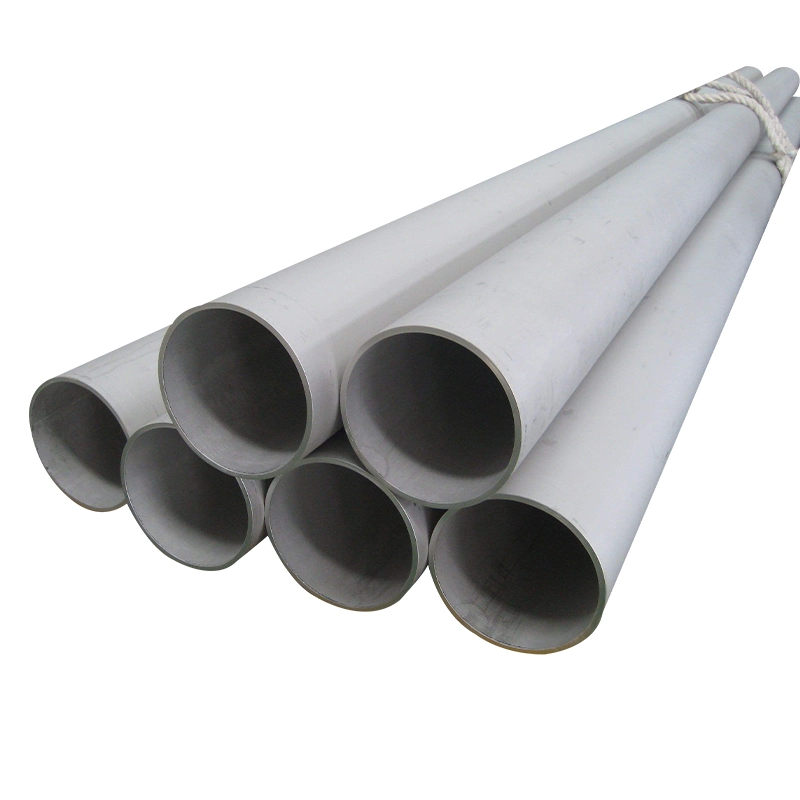 Sch40 316 Stainless Steel Pipes for Chemical ProcessingConsider Sch40 316 seamless pipe for chemical lines needing corrosion and high-temperature stability, with cold-drawn or rolled stock and pickled or sand-blasted finish.View Product →
For general industrial fluid transfer, 1.4404 is a sensible middle ground when 304 is underpowered but a nickel alloy is overkill. It is also a common choice for instrument lines, structural tube in corrosive atmospheres, and parts that need good toughness after cold forming.
Fabrication, Welding, and Surface Finish
1.4404 is readily welded by TIG, MIG, and manual arc processes. Use a 316L filler, keep heat input under control, and purge the root on hygienic or high-purity lines. No preheat is needed, but interpass temperature should be kept low enough to avoid distortion and sigma formation. After welding, clean and passivate. Low carbon reduces sensitization risk, yet it does not excuse dirty tools or poor gas coverage.
Machining is gummy compared with carbon steel. Sharp tools, positive feed, and generous coolant help. Cold bending and cold drawing are common, but severe cold work leaves residual stress and can make the tube slightly magnetic. A solution anneal at 1040-1120°C followed by rapid cooling restores the soft austenitic structure when the specification requires it.
Surface finish is where many projects are won or lost. BA tube gives a bright, clean surface for instrumentation and high-purity service. EP tube goes further for ultra-high-purity lines. MP tube offers a mechanically polished finish for applications that need a smooth, easy-to-clean bore without the cost of electrolytic polishing.
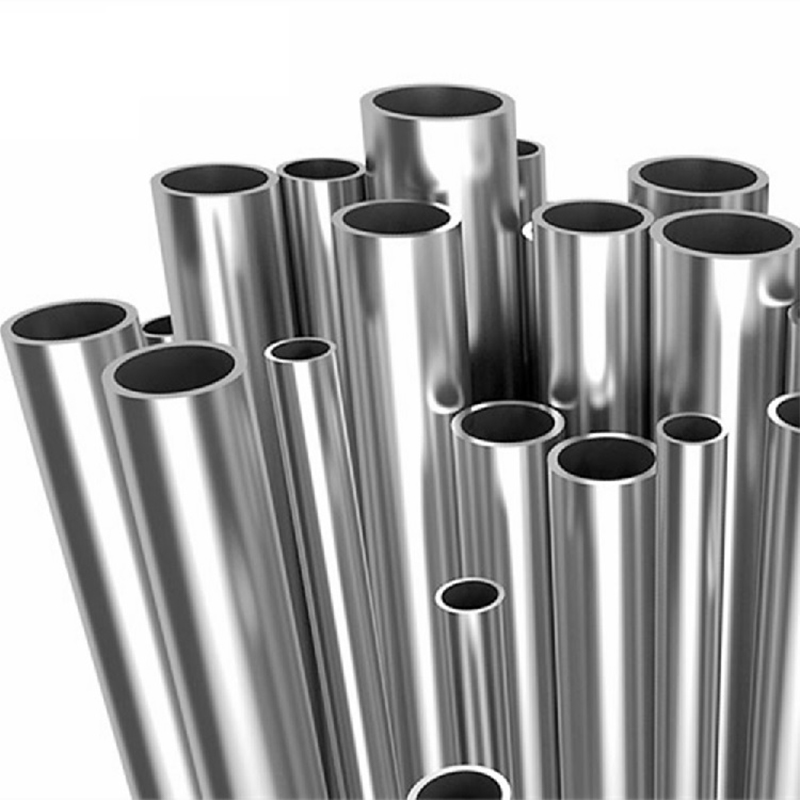 Small-Diameter 316L Seamless MP Stainless Steel TubeCheck small-diameter 316L seamless tube with a bright mechanically polished bore for clean service; passivation and post-polishing cleaning are advised for corrosive conditions.View Product →
Sourcing 1.4404 Without Guesswork
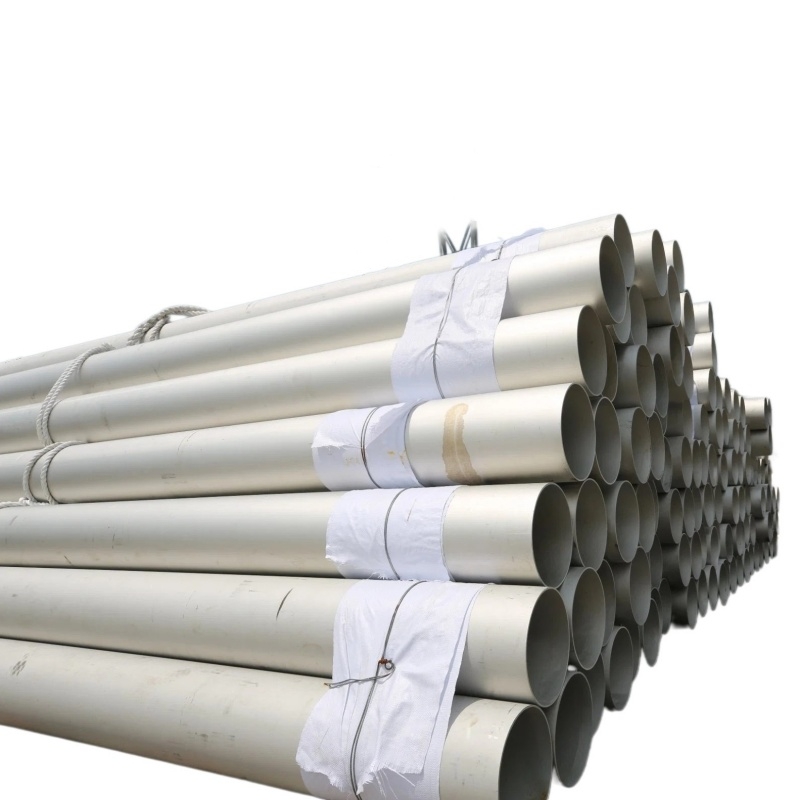
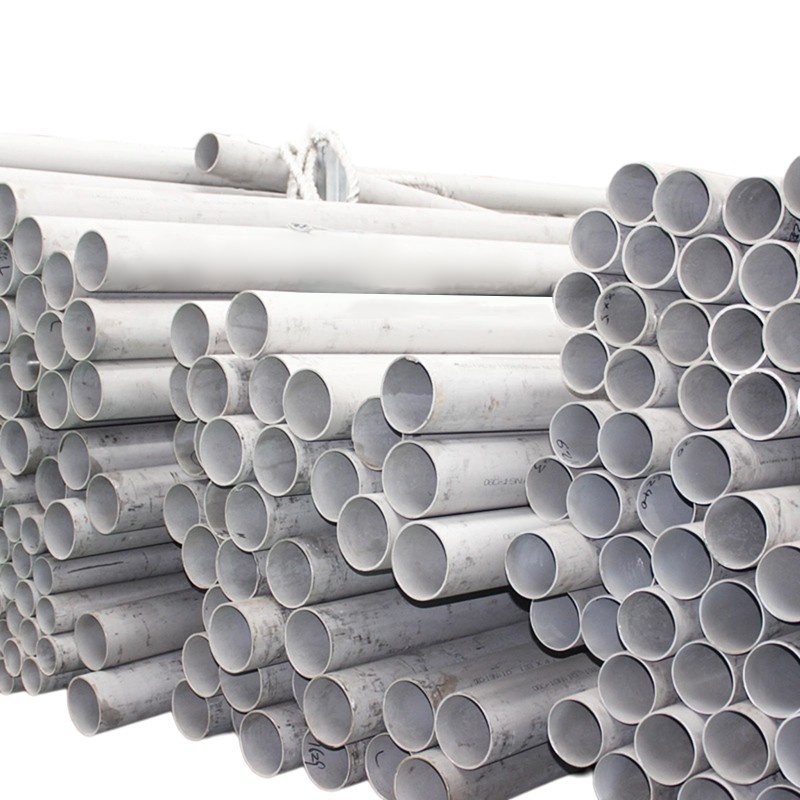
Buying 1.4404 should not be a name game. Start with the product standard: ASTM A312 or A213 for seamless pipe and tube, A249 for welded heat exchanger tube, A269 for general service, or EN 10216-5 and EN 10217-7 where the European system applies. Then confirm dimensions, tolerances, surface condition, test pressure, and the certificate type. For many industrial projects, an EN 10204 3.1 certificate is the minimum; some customers also want PMI, eddy current testing, or a hydrostatic test report.
It also helps to compare the grade against the actual service condition rather than the label alone. A 1.4404 tube with the right molybdenum range and a clean bore can be the economical choice; the same grade with the wrong finish can fail early. Our stainless steel pipe size and composition comparison table is a useful starting point for that check. If you are unsure, send the medium, temperature, pressure, and connection details to our team. We have been making stainless pipe and tube for over 16 years, and we would rather help you select correctly than sell a grade that does not fit.