
 English
 русский
Content
If you have ever compared a European pipe specification with an American one, you have already met the number 1.4404. In the EN and DIN system, 1.4404 is the material number for X2CrNiMo17-12-2, the low carbon, molybdenum bearing austenitic stainless steel that most of the world calls 316L or UNS S31603. Both names describe the same family of steel, and knowing what 1.4404 material really delivers helps you specify pipe, tube, flanges and fittings with far more confidence.
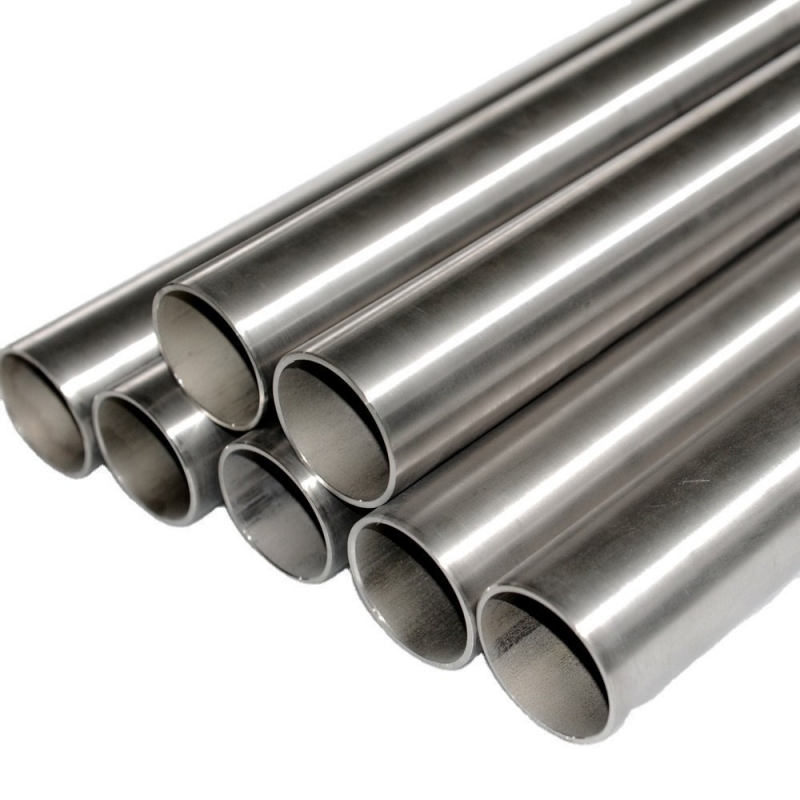
At Xinhang Special Material, a stainless steel pipe manufacturer with more than sixteen years of production experience, we cold draw, weld, anneal and polish 1.4404 material into industrial tube for chemical, energy, marine and hygienic customers. This guide collects the questions engineers send us every week: chemistry, mechanical values, corrosion behaviour, standards, applications, and the sourcing details that decide whether a 1.4404 line runs for decades or fails early.
What 1.4404 Material Actually Means
The 1.44xx family in EN 10088 covers austenitic grades with roughly 17% chromium, 10 to 13% nickel and 2 to 3% molybdenum. Inside that family, 1.4401 (X5CrNiMo17-12-2, or 316) and 1.4404 (X2CrNiMo17-12-2, or 316L) sit side by side, and the only meaningful difference is carbon. 1.4401 permits up to 0.07% carbon, while 1.4404 holds carbon at 0.030% or below.
That single change matters enormously in welded pipework. Carbon is the element that combines with chromium at grain boundaries when a joint is heated into the sensitisation range, leaving a narrow chromium depleted band behind. The lower carbon content of 1.4404 keeps chromium in solution, so welded joints and heat affected zones keep their corrosion resistance without a post weld solution anneal. This is why the L grade became the default for pressure piping, and why 1.4404 appears so often in specifications for chemical plants, heat exchangers and hygienic systems.
The Names You Will See Beside 1.4404
- EN 1.4404, X2CrNiMo17-12-2 (European material number and designation)
- AISI 316L and UNS S31603 (American designation)
- JIS SUS 316L (Japanese designation)
- GB/T 022Cr17Ni12Mo2 (Chinese designation)
- 1.4435, X2CrNiMo18-14-3, a related low ferrite grade with higher nickel and molybdenum, common in pharmaceutical and ultra pure service
One caution: 1.4401, 1.4404 and 1.4435 are often used interchangeably in conversation, but they are not identical on a mill certificate. If your specification names 1.4404, ask for 1.4404 chemistry rather than a generic 316L promise.
Chemical Composition and Mechanical Properties
1.4404 material is usually melted to the composition range below. The third column shows a representative mill analysis for seamless tube, which is what a buyer actually receives.
| Element | EN 10088 range (wt%) | Typical mill value (wt%) |
|---|---|---|
| Carbon (C) | 0.030 max | 0.018 |
| Silicon (Si) | 1.00 max | 0.45 |
| Manganese (Mn) | 2.00 max | 1.30 |
| Phosphorus (P) | 0.045 max | 0.030 |
| Sulfur (S) | 0.015 max | 0.003 |
| Chromium (Cr) | 16.5 to 18.5 | 17.2 |
| Nickel (Ni) | 10.0 to 13.0 | 11.5 |
| Molybdenum (Mo) | 2.00 to 2.50 | 2.20 |
| Nitrogen (N) | 0.10 max | 0.06 |
| Iron (Fe) | Balance | Balance |
The molybdenum and nitrogen levels explain the mechanical behaviour of the annealed grade, summarised below for room temperature service.
| Property | Typical value |
|---|---|
| 0.2% proof strength (Rp0.2) | 200 to 240 MPa |
| Tensile strength (Rm) | 500 to 700 MPa |
| Elongation (A, longitudinal) | 40% min |
| Hardness | 90 HRB max |
| Density | 8.0 g/cm3 |
| PREN (Cr + 3.3 Mo + 16 N) | 24 to 26 |
Corrosion, Temperature and Fabrication Performance
Corrosion Resistance
Molybdenum is the reason 1.4404 resists pitting and crevice corrosion far better than 304L. Its pitting resistance equivalent number normally lands between 24 and 26, which translates into dependable service in sulphuric and phosphoric acid, organic acids, most food products, and chloride bearing cooling water at moderate temperature. It is not a universal answer to chlorides: where hot concentrated brines or stress corrosion cracking are expected, duplex or 6% molybdenum grades are safer selections.
Temperature Range
Annealed 1.4404 material stays tough from cryogenic duty down to about minus 196 degrees Celsius and supports continuous operation up to roughly 400 degrees Celsius. That wide window is why the grade appears in LNG and cryogenic piping as well as in heat exchangers, condensers and process heaters. Above about 425 degrees Celsius, long term exposure encourages sigma phase formation, so hotter duties usually move to a stabilised or higher alloyed grade.
Fabrication Behaviour
1.4404 welds cleanly with TIG, MIG, plasma and shielded metal arc processes using matching 316L filler. Because carbon is low, post weld annealing is unnecessary for most wall thicknesses, although pickling and passivation are still recommended to restore a clean, oxide free surface. The grade work hardens quickly, so forming calls for gentle tooling and generous bend radii, and machining rewards sharp inserts, positive feeds and plenty of coolant.
Standards and Product Forms for 1.4404
Because 1.4404 is a European designation, most enquiries reference EN standards: EN 10216-5 for seamless pressure tube, EN 10217-7 for welded pressure tube and EN 10297-2 for mechanical tube. When an American standard governs the project, the same steel is ordered as 316L under ASTM A312, A213, A249, A269 or A270, or as SUS 316L under JIS G3459 and G3463. Offshore and marine packages often layer additional approval requirements on top of these standards.
In our works, 1.4404 material is produced as:
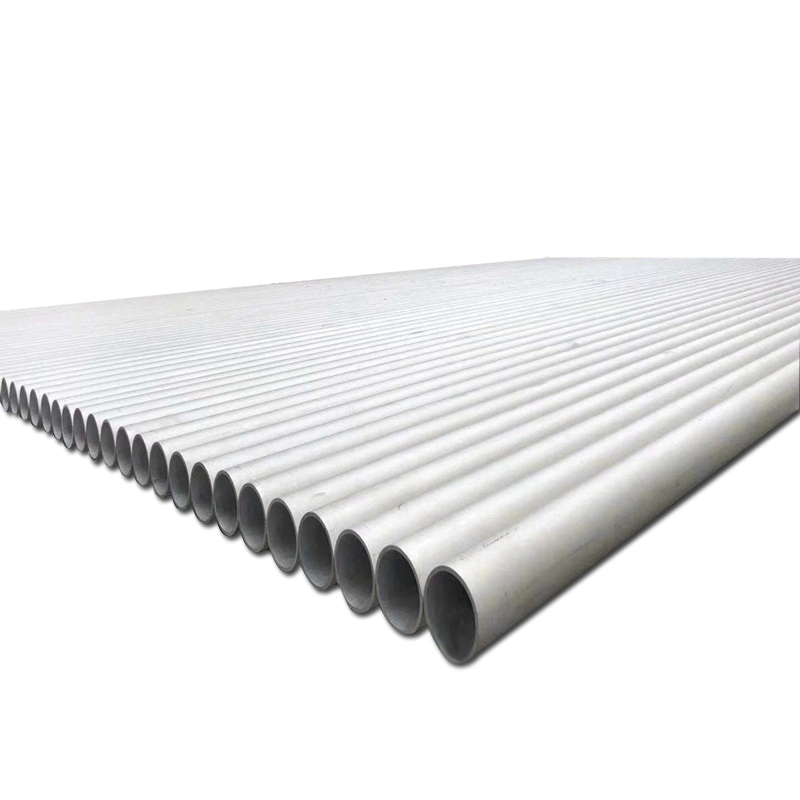
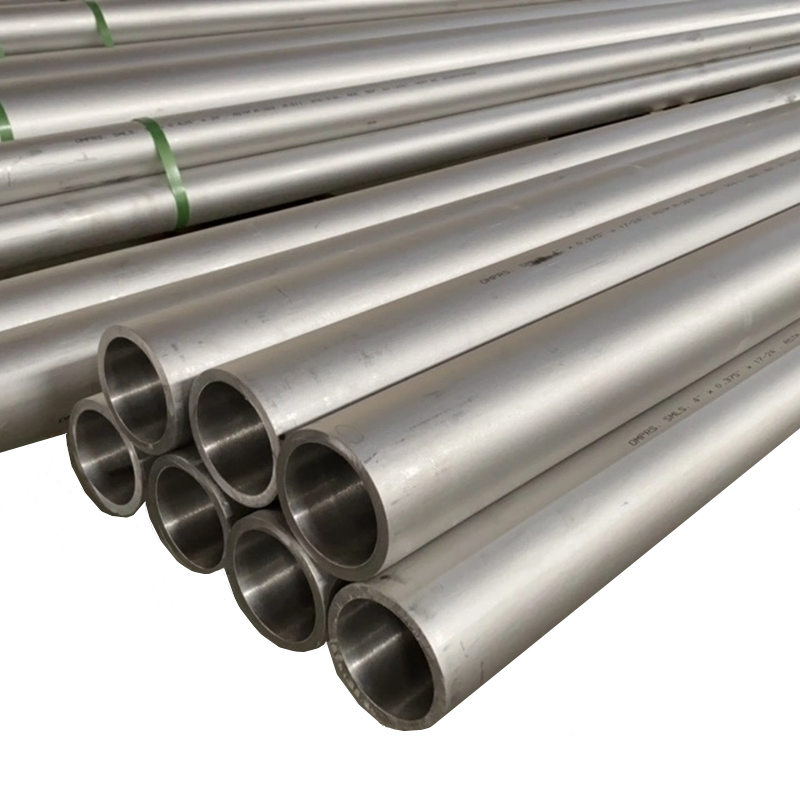
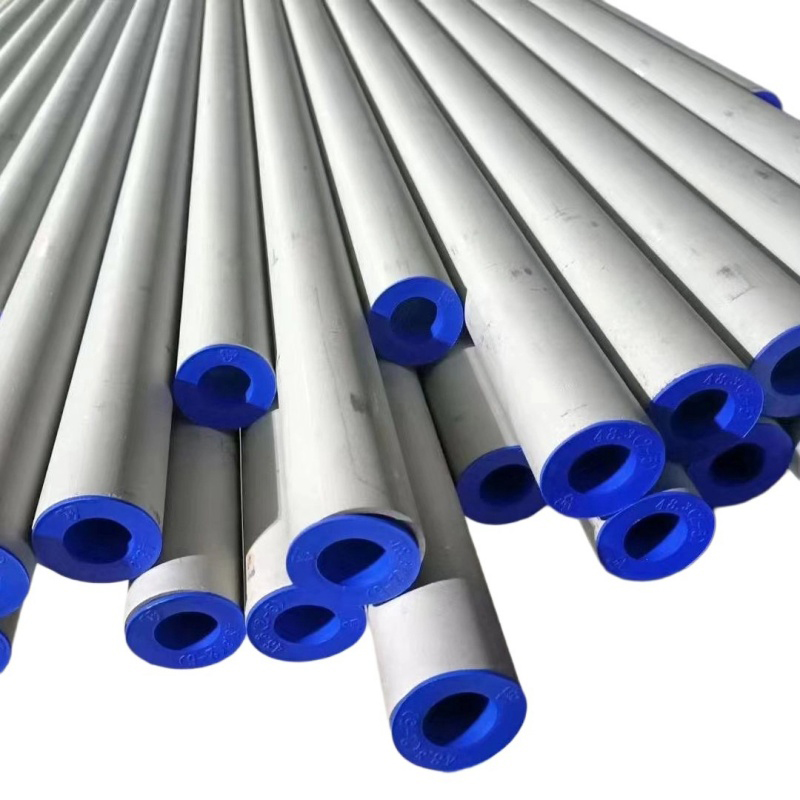
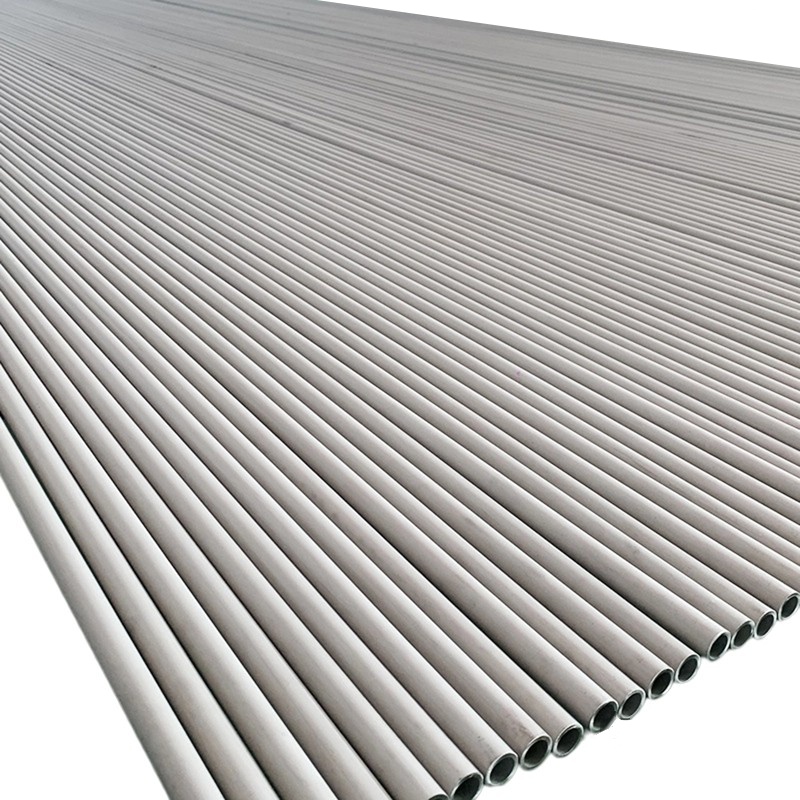
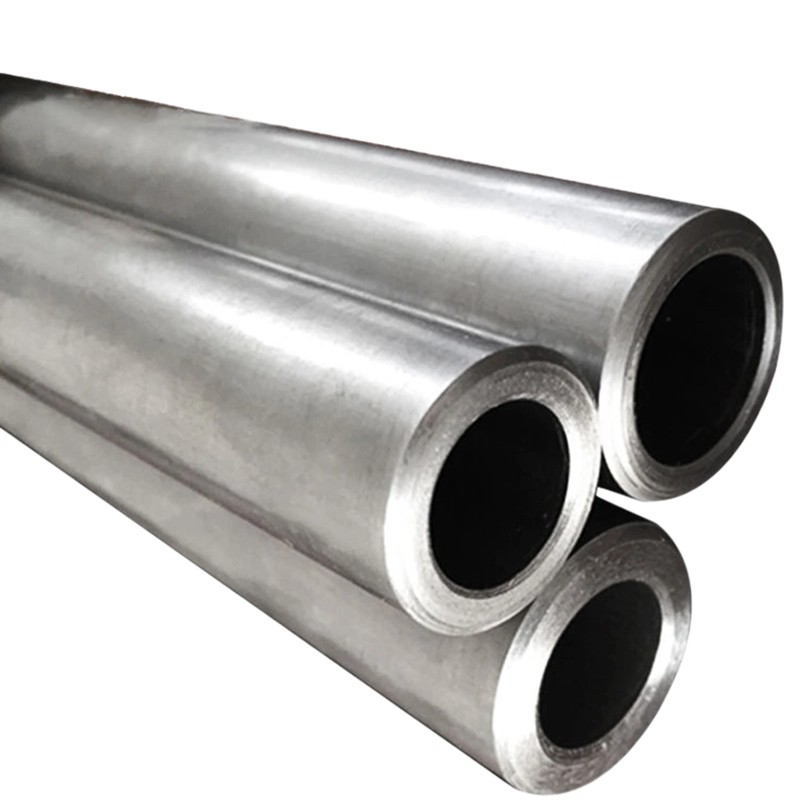
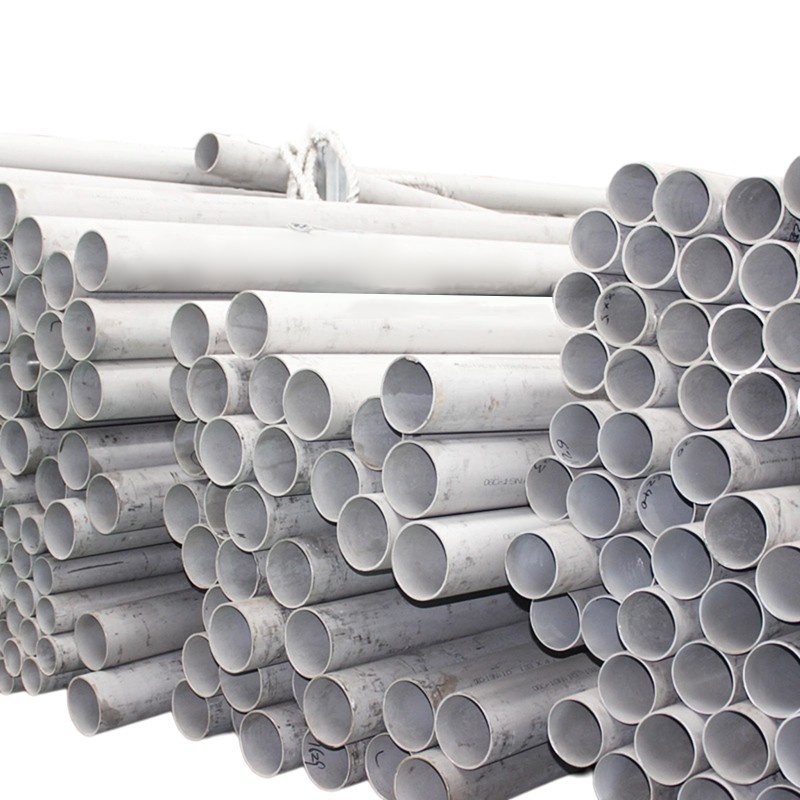
- Seamless pipe and tube for boilers, pressure vessels, heat exchangers, chemical equipment, marine and instrumentation service
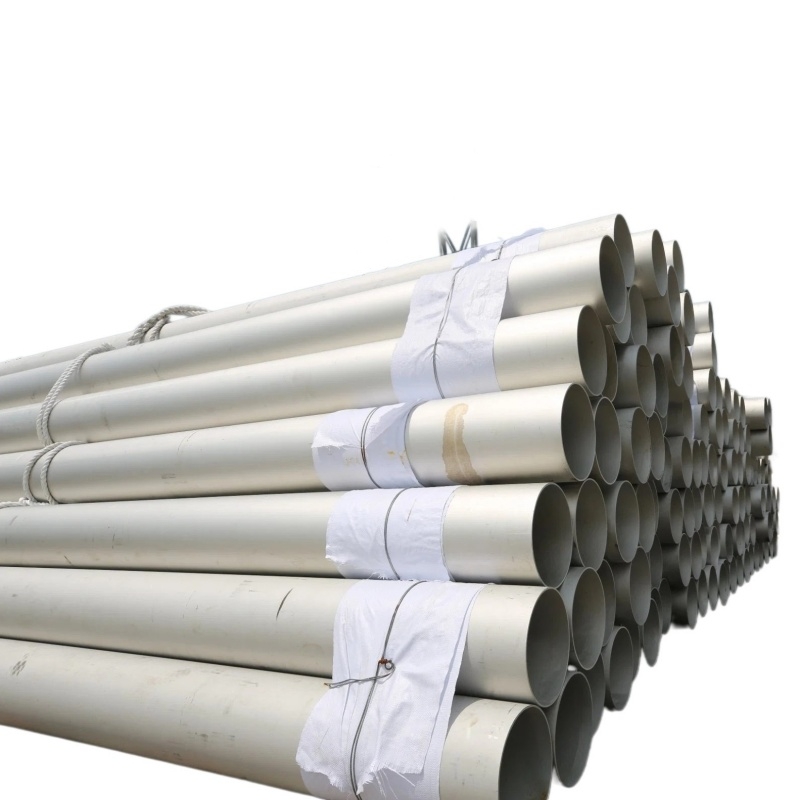
- Welded tube for fluid transport, gas, drinking water, structural and decorative applications
- Bright seamless tube in bright annealed (BA), electrolytically polished (EP) and mechanically polished (MP) precision grades
- Matching components, including stainless steel flanges and butt weld fittings, so a complete 1.4404 line can come from a single supplier
Wall thicknesses follow schedule designations such as SCH 10, SCH 40, SCH 120 and SCH 160, with outside diameters running from small instrument sizes up to large boiler tube.
Where 1.4404 Material Is Used
Chemical and Petrochemical Processing
Reactors, columns, transfer lines, storage tanks and tanker unloading systems rely on 1.4404 for resistance to acids, solvents and mixed process streams. Where a pipeline must carry aggressive or hazardous media, the grade provides a safe, cleanable flow path.
Heat Exchangers and Condensers
Because it keeps its corrosion resistance in the welded condition, 1.4404 is a workhorse for shell and tube exchangers, condensers and boiler applications, where thermal conductivity and long service life both matter.
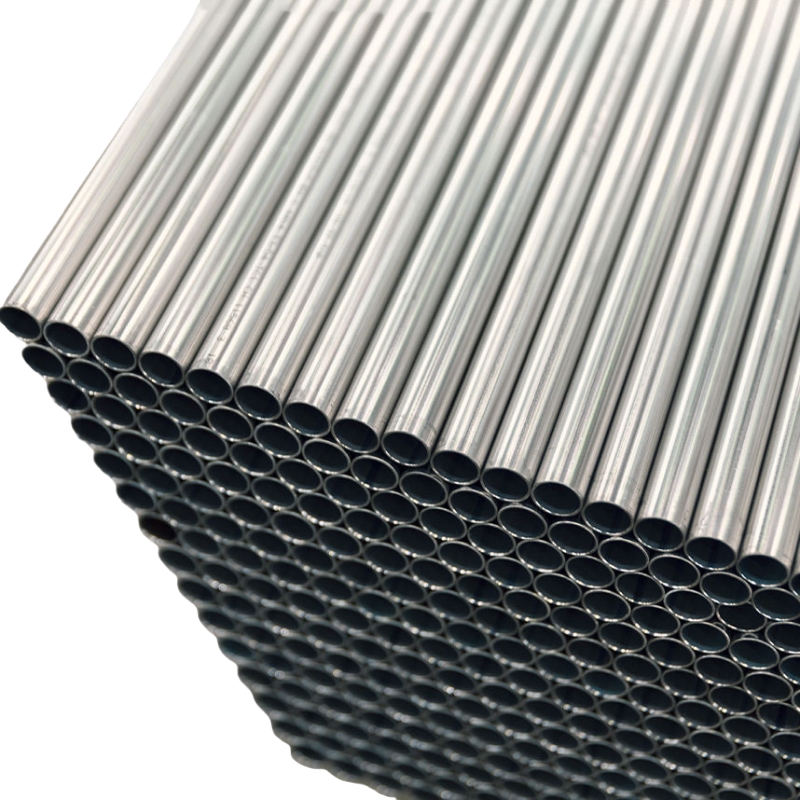 High Strength 316L Stainless Steel Heat Exchange Tube For BoilerThe application advantages of 316L stainless steel heat exchange tubes are attributed to the addition of Mo element, which provides corrosion resistance, atmospheric c...View Product →
Marine, Offshore and Power
Cooling water systems, seawater handling and topside piping use 1.4404 where chlorides are present but temperatures stay moderate. Low carbon austenitic grades are also chosen for non magnetic power plant instrumentation and generator cooling circuits.
Food, Beverage and Pharmaceutical
Hygienic 1.4404 tube offers a smooth, non porous bore that does not support bacterial growth, cleans in place and tolerates the aggressive cleaning agents used in dairy, brewing, soft drinks and sterile manufacturing.
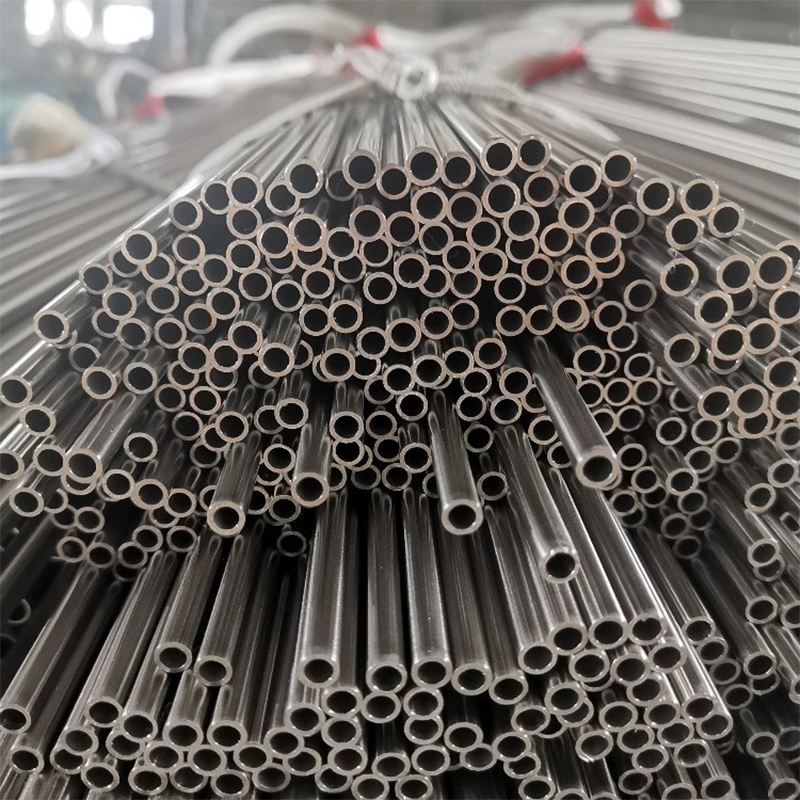 Finish Rolling 316 Sanitary Stainless Seamless Steel Tube Not Breed BacteriaWhat is a sanitary stainless steel pipe?View Product →
Instrumentation and Precision Systems
Small diameter precision tube in 1.4404 carries impulse lines, sampling systems and high purity gas lines, where dimensional accuracy and surface finish matter as much as chemistry.
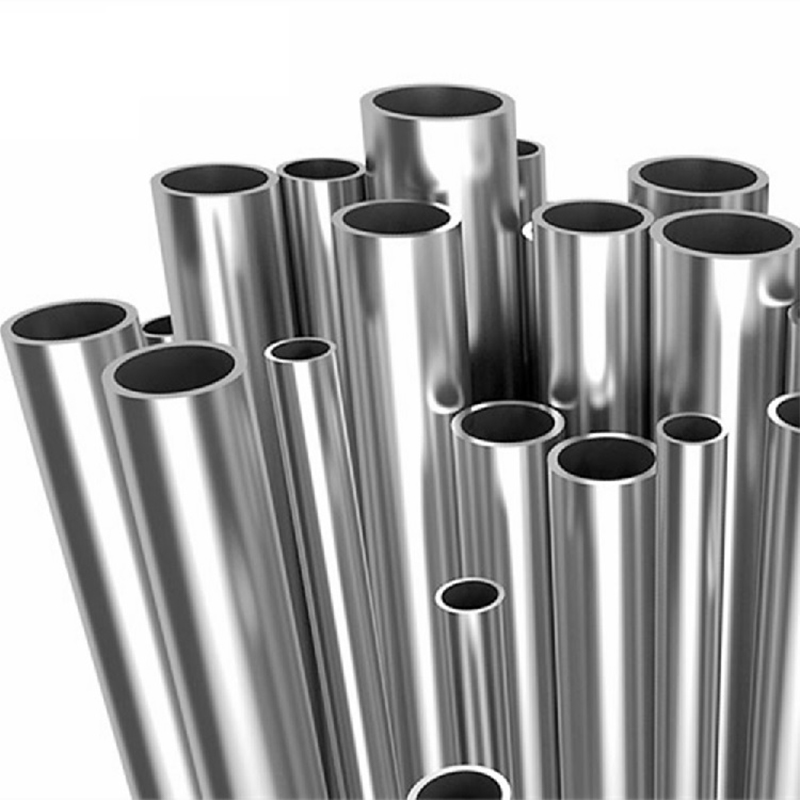 Small Diameter Bright Seamless 316L Stainless steel MP(Mechanical Polishing) TubeThe methods for polishing stainless steel tubes mainly include mechanical polishing, electrolytic polishing, chemical polishing, ultrasonic polishing, and fluid polish...View Product →
How to Specify and Source 1.4404 Material
When you write an enquiry for 1.4404, these details remove almost every ambiguity:
- Designation and standard, for example 1.4404 to EN 10216-5 or 316L to ASTM A312, whichever your project code names
- Size and tolerance, including outside diameter, wall thickness, length and permitted deviation
- Delivery condition, whether solution annealed and pickled, bright annealed, or polished
- Surface and cleanliness requirements, including roughness values for hygienic or ultra pure service
- Testing and documentation, such as an EN 10204 3.1 certificate, positive material identification, hydrostatic or eddy current testing
- Extras, including third party inspection, ferrite content limits and export packaging
Ask for the mill certificate before comparing prices. Carbon and molybdenum levels vary between producers, so two quotations for the same nominal grade are not necessarily the same steel. Checking the analysis and the pitting resistance equivalent number explains cost differences and protects the design life of the line. If you are still weighing grades, our comparison of 304, 316 and 2205 stainless steel walks through the trade offs in more detail.
Read the full grade comparison here: 304 vs 316 vs 2205 stainless steel guide.
1.4404 material earns its place in so many specifications because it balances corrosion resistance, weldability and cost better than almost any other austenitic grade. Specify it with the right standard, the right delivery condition and the right documentation, and it will serve your plant for decades. If you need pipe, tube, flanges or fittings in 1.4404, our team is glad to review your specification and quote. Write to sales@xhxmat.com with your sizes and standards, and we will come back with a clear offer.