
 English
 русский
Content
Ask two engineers about 1.4404 stainless and you will probably hear two different names for the same metal. One says 316L. Another says UNS S31603. The drawing in front of you simply says 1.4404. All three point to the same austenitic, molybdenum-bearing stainless steel, the grade that quietly holds together chemical plants, heat exchangers, food lines and coastal structures. If you are specifying, buying or welding it, the details below are the ones that usually decide whether a project goes smoothly.
What the Number 1.4404 Actually Means
1.4404 is a Werkstoff number, a material designation from the German DIN and EN numbering system that has become everyday shorthand across Europe and much of Asia. In EN 10088 it appears as X2CrNiMo17-12-2, while the American side of the world knows it as AISI 316L with UNS number S31603.
It also helps to see the wider 1.44 family, because customers sometimes use the numbers loosely:
- 1.4401, the standard 316 grade with carbon up to 0.07 percent
- 1.4404, the low-carbon 316L version with carbon capped at 0.030 percent
- 1.4432, a 316L variant with higher nickel and molybdenum for heavier sections
- 1.4435, a tightly controlled low-carbon grade often specified for pharmaceutical and ultra-pure service
- 1.4571, or 316Ti, stabilised with titanium rather than relying on low carbon
In ordinary purchasing practice, 1.4404 and 316L are treated as equivalent, and a mill certificate showing UNS S31603 with the chemistry below will normally satisfy a 1.4404 requirement. The moment to slow down is when a specification names 1.4435 or sets a ferrite content limit for hygienic or high-purity work. The chemistry looks similar on paper, but the acceptance criteria are not the same.
Composition: Where the Letter L Comes From
Each element in a 1.4404 heat has a job. Chromium forms the passive oxide film. Nickel stabilises the austenitic structure. Molybdenum provides the extra resistance to chlorides and pitting that separates this grade from 304. Carbon is deliberately held low, because carbon is what combines with chromium at grain boundaries during welding and leaves a sensitised zone behind.
| Element | 1.4404 (316L / S31603) | 1.4401 (316 / S31600) |
|---|---|---|
| C | 0.030 max | 0.070 max |
| Si | 0.75 max | 0.75 max |
| Mn | 2.00 max | 2.00 max |
| P | 0.045 max | 0.045 max |
| S | 0.030 max | 0.030 max |
| Cr | 16.5 - 18.5 | 16.5 - 18.5 |
| Ni | 10.0 - 13.0 | 10.0 - 13.0 |
| Mo | 2.00 - 2.50 | 2.00 - 2.50 |
| N | 0.10 max | 0.10 max |
| Fe | Balance | Balance |
That single carbon difference explains most of the practical behaviour. A 1.4404 weld and its heat-affected zone usually keep their corrosion resistance without a post-weld solution anneal, whereas 1.4401 in thicker sections can need one. Where intergranular corrosion is a real risk, buyers often ask for an ASTM A262 Practice E test to confirm the material behaves as expected.
Mechanical and Physical Properties
In the annealed condition, 1.4404 is a moderately strong, highly ductile material. It cannot be hardened by heat treatment; annealing is only a softening and stress-relieving step. Cold drawing and cold rolling are what raise strength, and that is exactly why cold-worked precision tubes reach far higher yield values than the table below while giving up a little ductility.
| Property | Typical value |
|---|---|
| Tensile strength | 485 MPa min |
| 0.2% yield strength | 170 MPa min |
| Elongation | 35 - 40% |
| Hardness | 95 HRB max |
| Density | 8.00 g/cm3 |
| Elastic modulus | 193 - 200 GPa |
| Thermal conductivity at 20 C | About 15 W/m.K |
| PREN (Cr + 3.3Mo + 16N) | About 24 - 25 |
Two details catch people out. First, the values move depending on the product form and specification, so pipe made to ASTM A312, tube made to ASTM A213 or A269, and sheet to EN 10088-2 do not carry identical minimums. Second, the material is weakly magnetic when annealed, and cold work increases that magnetism noticeably, which matters for instrument and electrical applications where a non-magnetic response is expected.
Corrosion Resistance and Its Honest Limits
The two to two and a half percent molybdenum is the reason 1.4404 handles chlorides better than 304. A pitting resistance equivalent number around 24 to 25 puts it comfortably above 304 but below duplex 2205 and the 6Mo super-austenitics, and that ranking is a useful reality check. In dilute organic acids, phosphoric acid, most food and dairy cleaning chemicals, and mildly chlorinated cooling water, 1.4404 performs well for decades. In continuously immersed seawater or hot concentrated chlorides, it will eventually pit or suffer crevice attack, and a higher alloy is the honest recommendation.
Chloride stress corrosion cracking is the other boundary to respect. Once wet chloride service moves above roughly 60 C, cracking risk climbs regardless of how good the general corrosion numbers look. In heat exchangers, tube cleanliness and flow velocity often influence tube life as much as the grade stamped on the certificate.
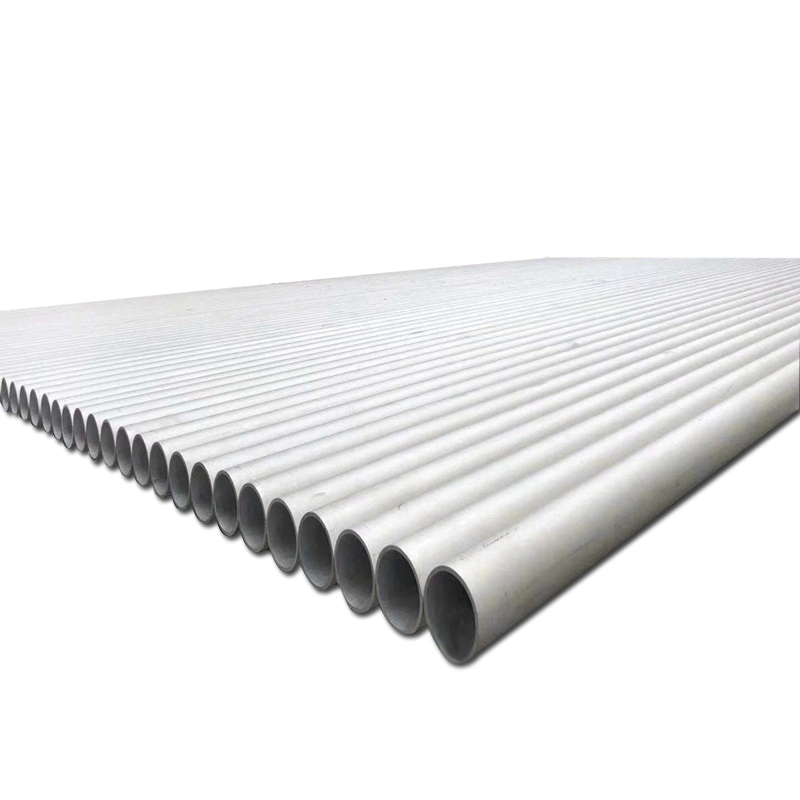
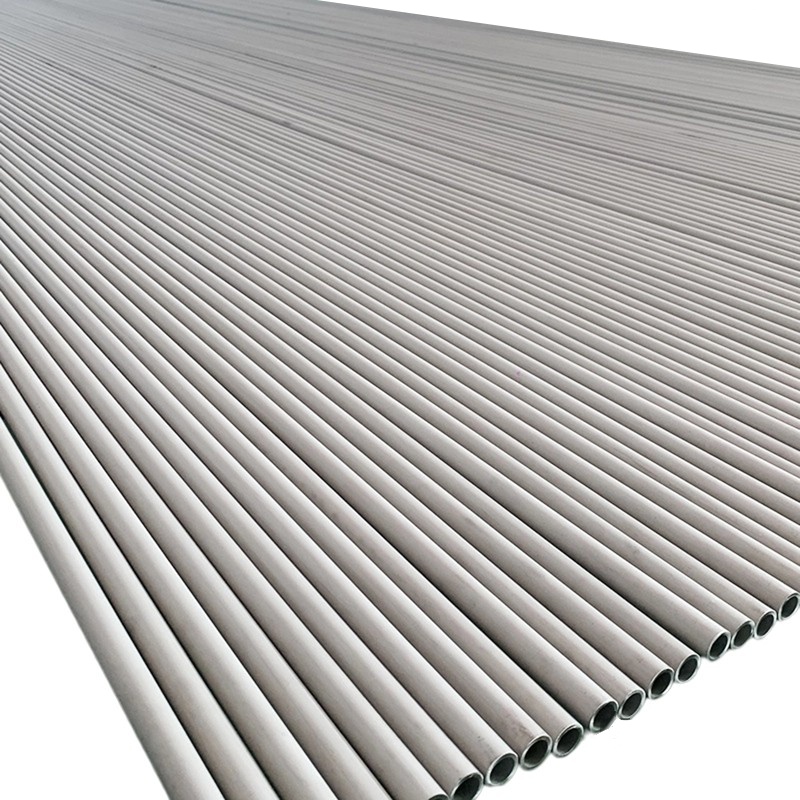
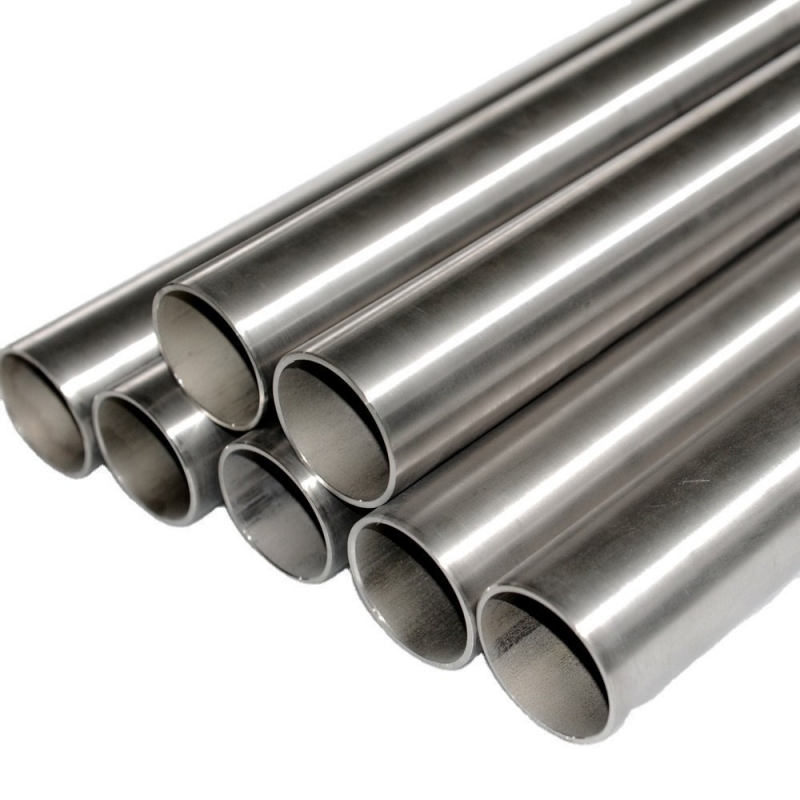
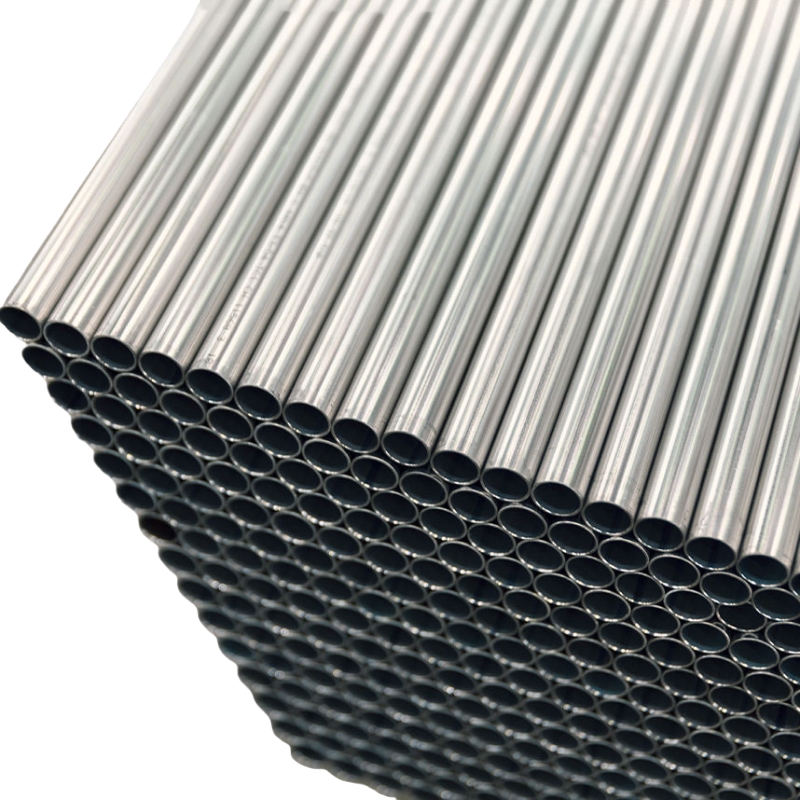 High Strength 316L Stainless Steel Heat Exchange Tube for Boilers316L boiler and heat exchanger tube for petrochemical, pharmaceutical, and food service, where corrosion resistance, weld quality, and clean surfaces matter.View Product →
Fabrication Notes for Welders and Machinists
Welding
Match the filler to the parent metal with an ER316L or 316L covered electrode, and never use 304 filler on a 1.4404 joint if corrosion resistance matters. No preheat is needed. Keep heat input controlled, limit interpass temperature, avoid wide weaving, and use stainless-only brushes and tools afterwards. On hygienic and high-purity lines, purge the inside of the pipe with argon and finish with pickling or electropolishing plus passivation, because a heat-tinted weld is where corrosion starts.
Forming and machining
1.4404 work-hardens faster than 304, so bending and flaring need more force and produce more springback. Plan extra bending stages or an intermediate anneal for severe reductions. Machining is gummy compared with carbon steel: sharp tooling, positive rake angles, rigid setup and generous coolant make the biggest difference. Free-machining sulphur grades machine far more easily, but they are a different material and should never be substituted quietly into a 1.4404 line.
Where 1.4404 Piping Earns Its Place
Over the years we have seen this grade settle into a fairly predictable set of duties:
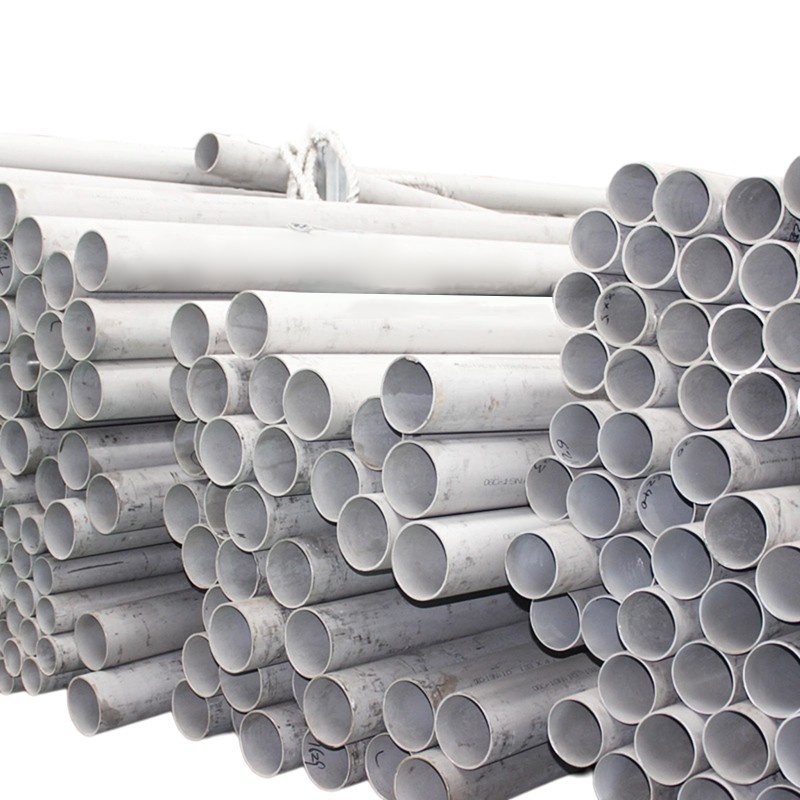
- Chemical and petrochemical process piping handling corrosive or hazardous media
- Heat exchanger, condenser and boiler tube bundles
- Pressure vessels, storage tanks and their associated pipework
- Food, dairy, brewery and beverage lines where hygiene and cleanability matter
- Pharmaceutical and biotechnology systems, frequently with polished or electropolished interiors
- Marine, offshore and coastal installations exposed to salt spray
- Pulp and paper, water treatment and potable water distribution
Where surface quality becomes the controlling factor, chemistry alone is not enough. An electropolished EP stainless steel tube built on a 316L base gives the low roughness and passive, contaminant-resistant interior that clean service demands.
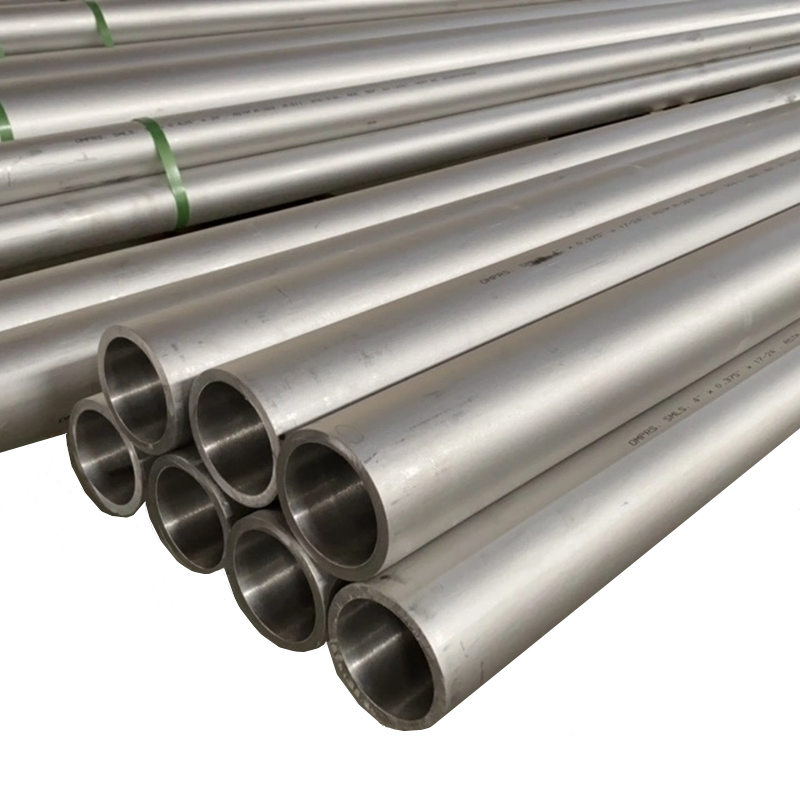
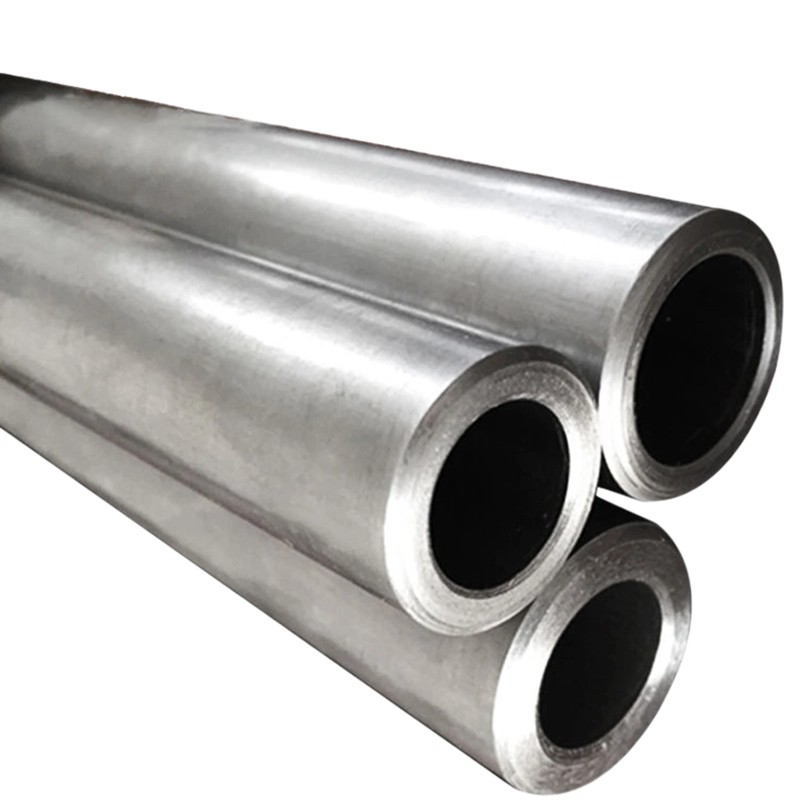
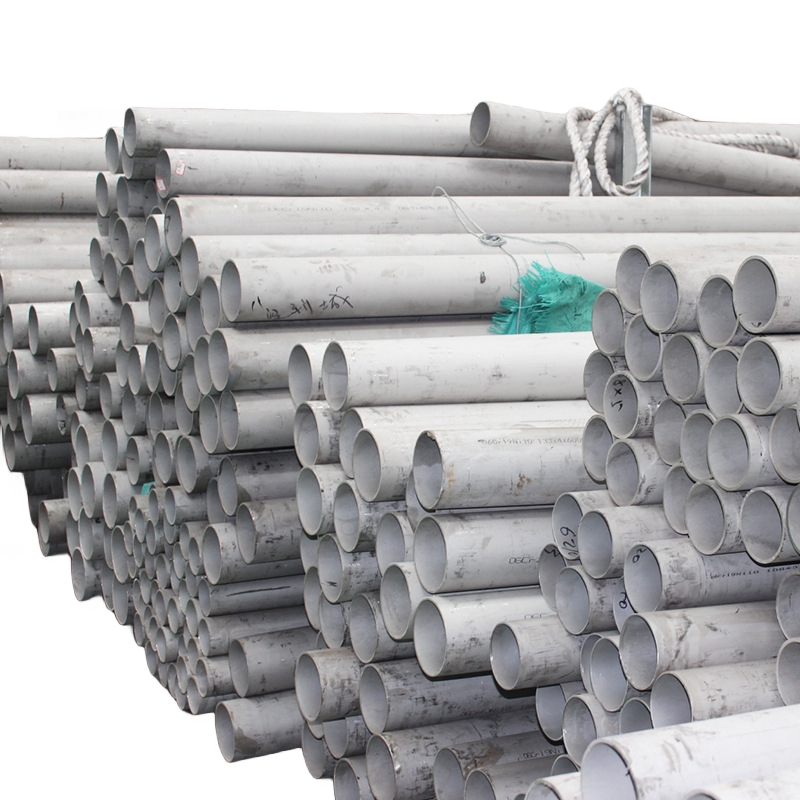 Sch20 Stainless Steel Chemical Equipment Pipe for Corrosive MediaSch20 seamless stainless steel pipe for chemical, petroleum, and food processing, resisting acid, alkali, and salt in high-pressure and delivery service.View Product →
Ordering 1.4404 Pipe and Tube: A Short Checklist
Most sourcing problems trace back to a specification that left something open. Before you send an enquiry, confirm these points:
- Product standard: ASTM A312, A213, A269 or A249, EN 10216-5, EN 10217-7 or JIS G3459
- Form: seamless, welded, or bright annealed seamless
- Size: outside diameter and wall thickness in millimetres or inches, or a schedule such as SCH 10, 40, 80 or 160
- Condition and finish: annealed, cold drawn, pickled, bright annealed, mechanically polished or electropolished
- Testing: hydrostatic, eddy current, ultrasonic, positive material identification, intergranular corrosion and tensile
- Documentation: EN 10204 3.1 mill certificate, heat number traceability and dimensional records
Comparing options side by side is easier when the numbers are in one place, so our stainless steel pipe size and composition comparison table is a practical starting point for matching grade, size and tolerance before you request a quotation.
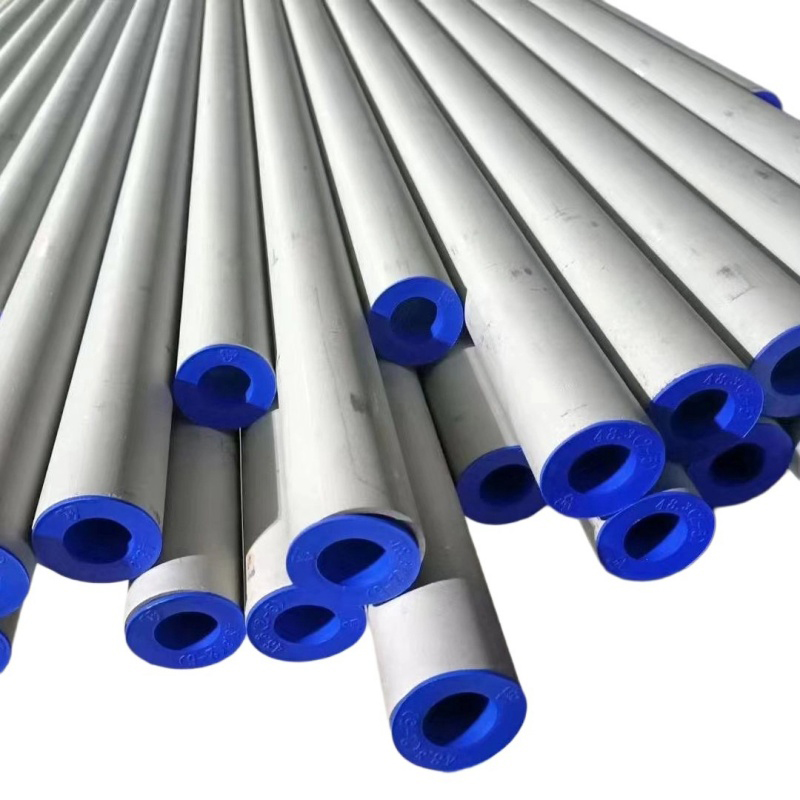
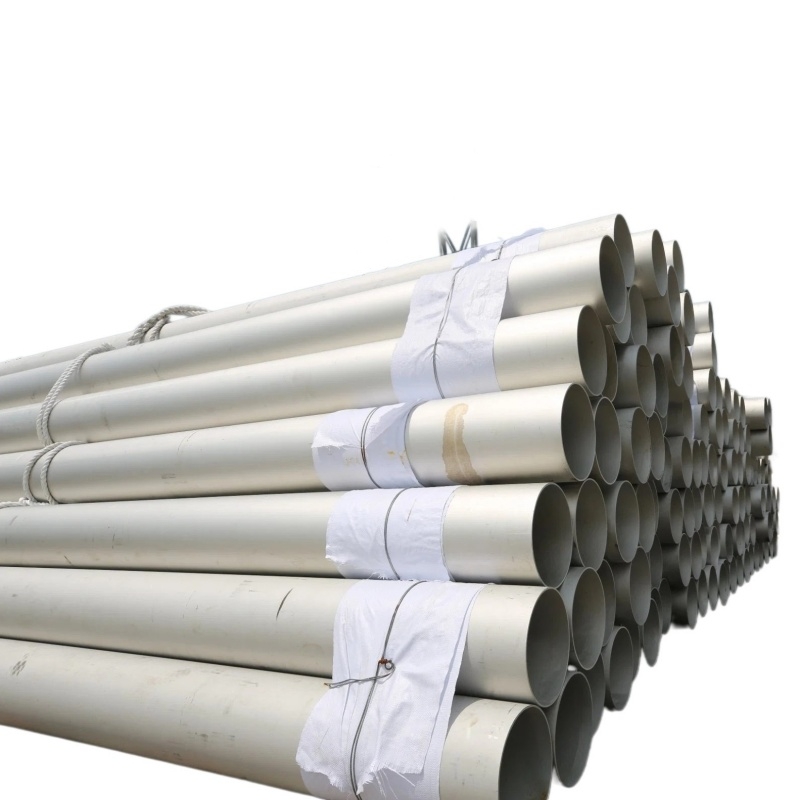
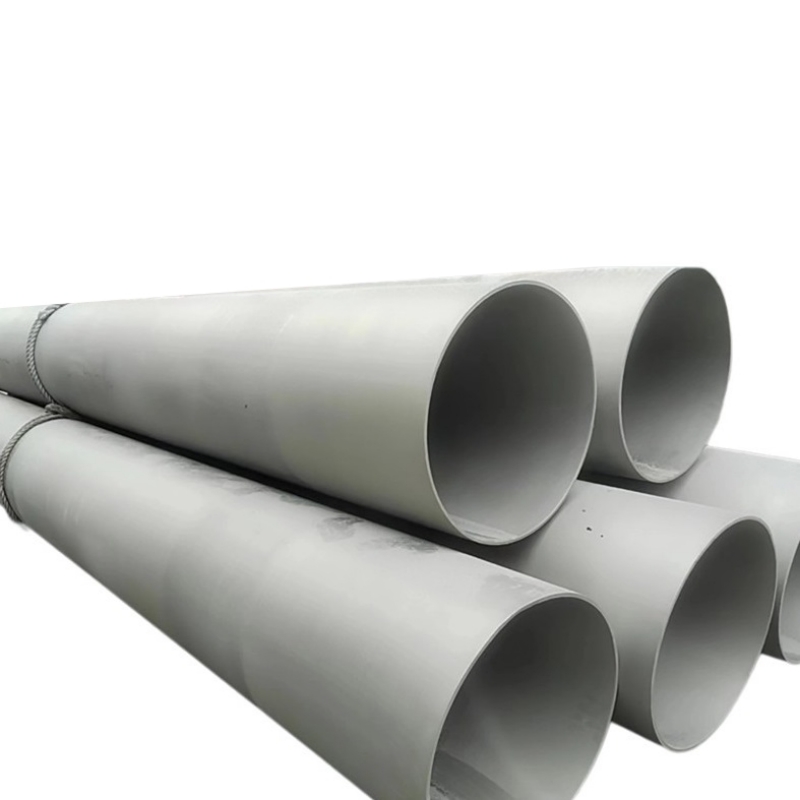 Seamless Stainless Steel Petrochemical Fluid Pipe for Hazardous MaterialsSeamless stainless steel pipe for LNG, ethylene, refining, and chemical plants, transporting corrosive or high-temperature fluids with grade options such as 304, 316L, and duplex.View Product →
1.4404 is not an exotic alloy, and that is precisely its strength. It is a well-understood grade with a predictable balance of corrosion resistance, weldability and cost, provided the chloride level, the temperature and the surface finish are taken seriously. We have been manufacturing stainless steel pipe and tube for more than sixteen years, so if you are weighing 1.4404 against 304, 1.4435 or a duplex grade for a particular duty, send us the service conditions and we will tell you honestly which one fits.