
 English
 русский
Content
- 1 What the 1.4301 Number Actually Means
- 2 The Complete 1.4301 Material Equivalent Table
- 3 Chemistry and Properties Behind the Equivalent Grades
- 4 Near Equivalents That Are Not Interchangeable
- 5 Putting 1.4301 Equivalents to Work in Piping Systems
- 6 Hygienic and Potable Water Applications
- 7 Where Grade Substitution Goes Wrong
- 8 Sourcing 1.4301 Equivalent Material with Confidence
Few stainless steel grades travel as widely across the world's standards as 1.4301. The number itself is German, a Werkstoff number carried into the European EN system, yet the metal it names is the same 18/8 austenitic steel that American drawings call 304, Japanese specifications call SUS 304 and Chinese standards call 06Cr19Ni10. On projects that cross borders, answering the question "what is the 1.4301 material equivalent?" becomes an everyday job: matching a mill certificate, a datasheet and a purchase order to the same material.
This guide sets out the full equivalence picture, the chemistry and mechanical data behind it, and the points where a so-called equivalent quietly stops being a safe swap.
What the 1.4301 Number Actually Means
1.4301 is the material number assigned to the austenitic stainless steel whose EN designation is X5CrNi18-10, listed in EN 10088-1. Decoding the name tells you most of what matters. The letter X indicates an austenitic grade, the digit 5 indicates a carbon content below 0.07 percent, and CrNi18-10 describes roughly 18 percent chromium balanced with about 10 percent nickel. That is the classic 18/8 composition responsible for the grade's combination of corrosion resistance, formability and weldability.
The German origin explains why the number is still so common. Machinery builders in Europe have specified 1.4301 for tanks, pipework, heat exchangers and architectural metalwork for decades, and drawings in Asia, the Middle East and South America often carry the same number because European licensors supplied the original process packages.
For procurement, one point matters more than any other: the material number is only a material identity. It does not define product form, dimensions, tolerances, surface finish or testing. Those come from a product standard, such as EN 10216-5, ASTM A312, ASTM A213, ASTM A249 or JIS G3459. The grade and the product standard must always be read together before any substitute is accepted.
The Complete 1.4301 Material Equivalent Table
Across national and international systems, the following designations all point to the same family of material. Treat the table as a starting point for cross-referencing, not as a blanket approval to substitute.
| Standard system | Equivalent designation | Remarks |
|---|---|---|
| EN / DIN (Germany) | 1.4301, X5CrNi18-10 | EN 10088-1, the reference designation |
| AISI / ASTM (USA) | 304, UNS S30400 | Covered by A312, A213, A249, A269 |
| JIS (Japan) | SUS 304 | JIS G3459 for piping, G3448 for general tube |
| BS (United Kingdom) | 304S15, 304S16, 304S31, EN58E | Legacy designations, now superseded by EN |
| AFNOR (France) | Z6CN18-09 | Older NF designation, same 18/8 family |
| GOST (Russia) | 08Kh18N10 | Listed in GOST 5632 |
| GB (China) | 06Cr19Ni10 | GB/T 20878, formerly written 0Cr18Ni9 |
| ISO | X5CrNi18-10 | ISO 15510 composition table |
Chemistry and Properties Behind the Equivalent Grades
The table above hides one detail worth knowing well: the permitted chemical ranges are not identical across standards. A 1.4301 heat made to EN 10088-1 and a 304 heat made to ASTM A312 are close enough to be used interchangeably in most services, yet their chromium windows differ slightly.
Typical Chemical Composition
| Element | EN 1.4301 (percent) | ASTM 304 (percent) |
|---|---|---|
| Carbon | 0.07 max | 0.08 max |
| Silicon | 1.00 max | 1.00 max |
| Manganese | 2.00 max | 2.00 max |
| Phosphorus | 0.045 max | 0.045 max |
| Sulfur | 0.030 max | 0.030 max |
| Chromium | 17.5 - 19.5 | 18.0 - 20.0 |
| Nickel | 8.0 - 10.5 | 8.0 - 11.0 |
| Nitrogen | 0.10 max | Not specified |
Typical Mechanical and Physical Data
Mechanically, the two grades are quoted almost identically:
- 0.2 percent proof strength: at least 190 MPa in the EN solution-annealed condition, at least 205 MPa under ASTM A312.
- Tensile strength: roughly 500 to 700 MPa, with a minimum of 515 MPa in ASTM pipe specifications.
- Elongation: 40 to 45 percent, confirming the grade's excellent ductility and bending behaviour.
- Hardness: around 90 HRB in the annealed state, rising after cold working.
- Density and thermal conductivity: about 7.9 g/cm3 and 16.2 W/m.K at 100 degrees Celsius.
The grade is austenitic and therefore non-magnetic when fully annealed, becoming slightly magnetic after cold working. Its pitting resistance equivalent number sits near 18, which explains why it performs well in atmospheric, fresh water and mildly oxidizing chemical environments, but is not the right answer for chloride-rich or strongly reducing media.
Near Equivalents That Are Not Interchangeable
Several grades are marketed as 1.4301 equivalents while carrying a different material number. They are close relatives, but each one exists for a reason:
- 1.4307, also written 304L or UNS S30403, limits carbon to 0.030 percent and is the usual choice for welded assemblies with heavy wall thickness.
- 1.4306 keeps the low carbon content while raising nickel, giving extra toughness for deep drawing and low-temperature duty.
- 1.4305, or 303, adds sulfur for machinability. Excellent for fittings and machined components, unsuitable for welding.
- 1.4541 and 1.4571, better known as 321 and 316Ti, are titanium-stabilized grades for elevated-temperature service.
- 1.4404, or 316L, adds molybdenum for chloride and acid resistance.
Where service involves chlorides, aggressive acids or prolonged temperatures above roughly 425 degrees Celsius, the decision usually moves away from 1.4301 altogether. Our fuller comparison of grade 304, 316 and 2205 duplex stainless steel explains where each of them earns its place.
Putting 1.4301 Equivalents to Work in Piping Systems
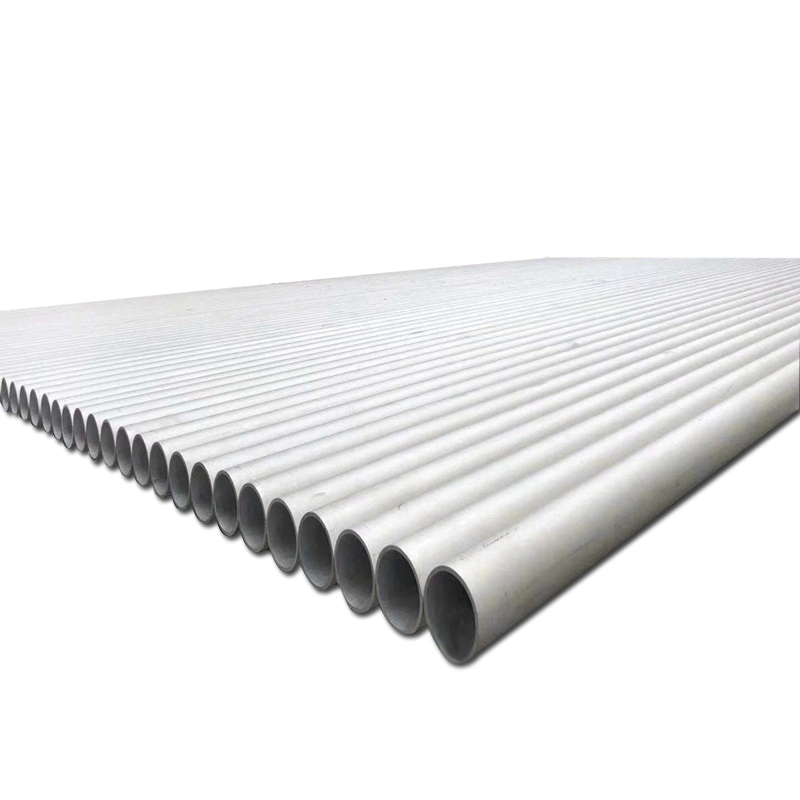
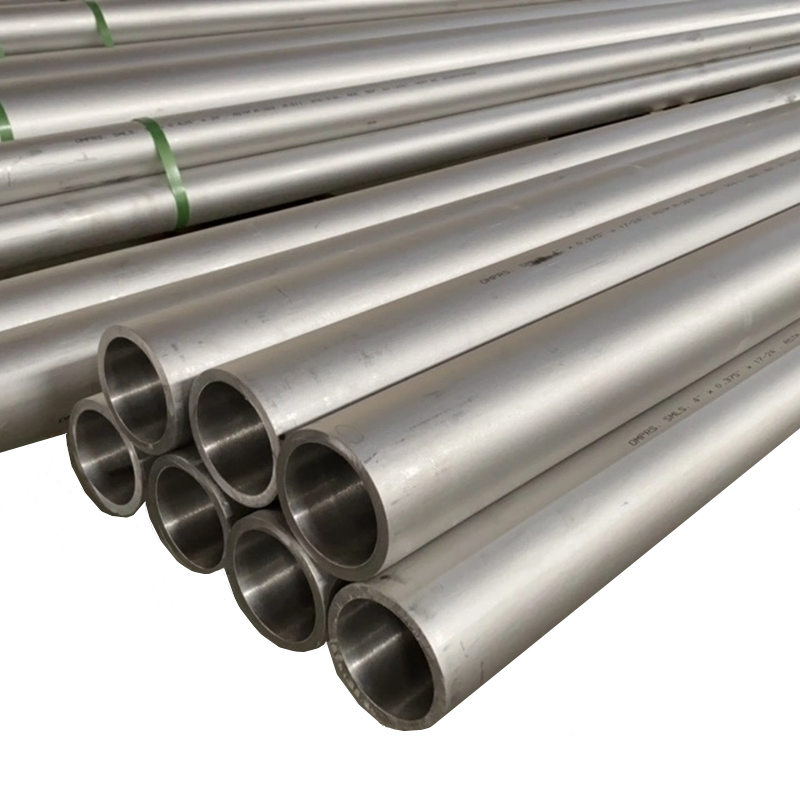
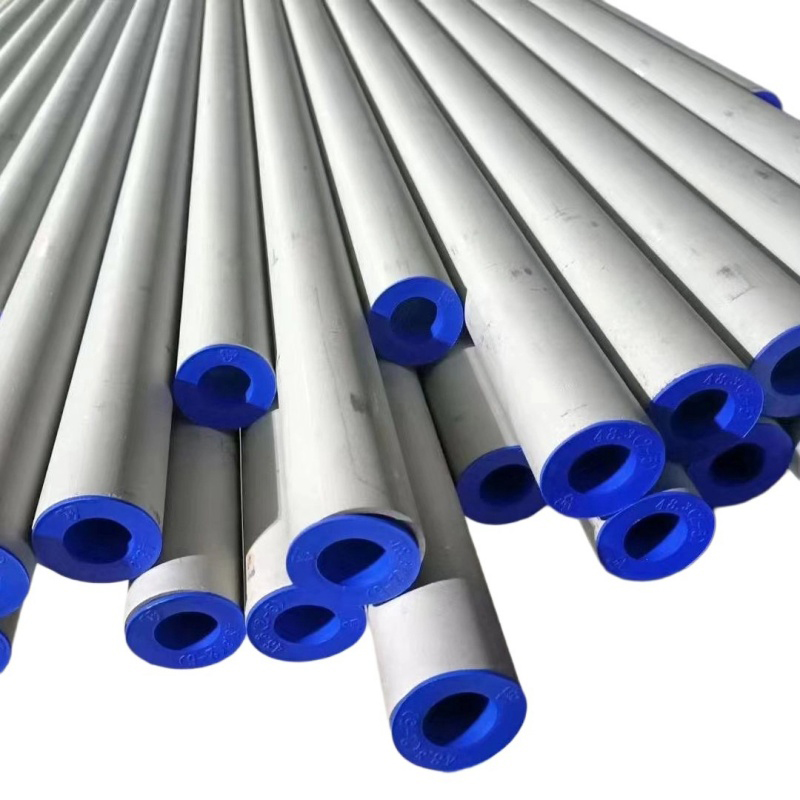
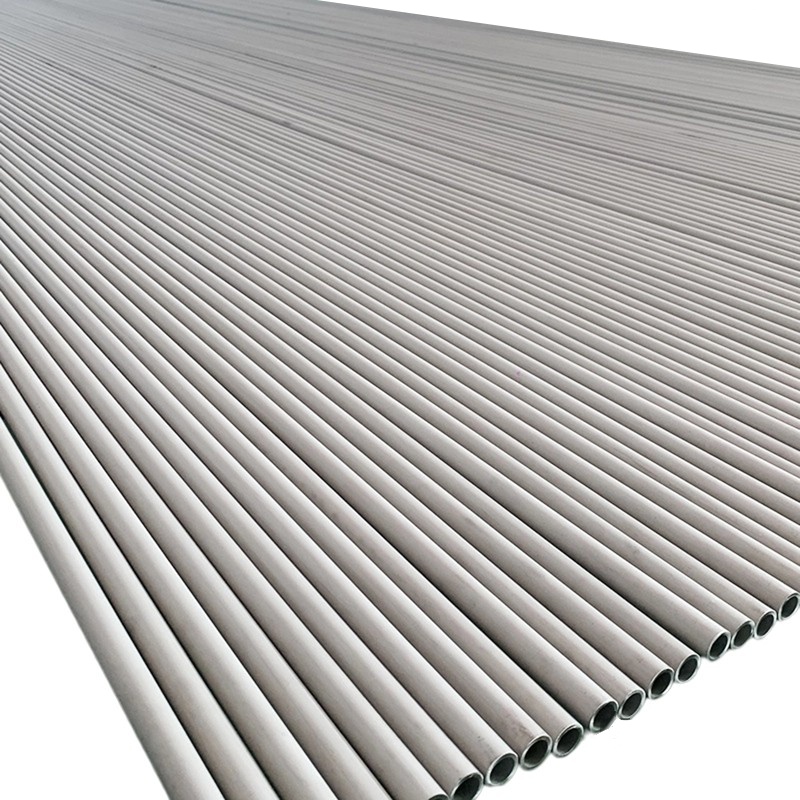
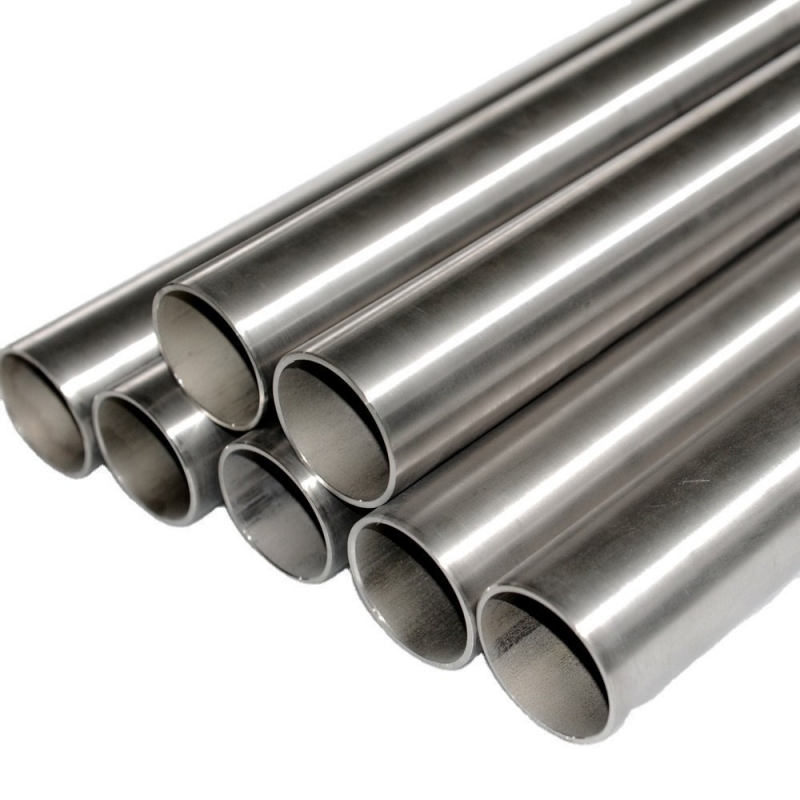
In pipe and tube form, 1.4301 and 304 appear in a predictable set of duties: pressure vessels, boiler and superheater tubing, heat exchanger and condenser bundles, chemical process lines, petrochemical transfer lines, marine piping, instrument runs and structural tube.
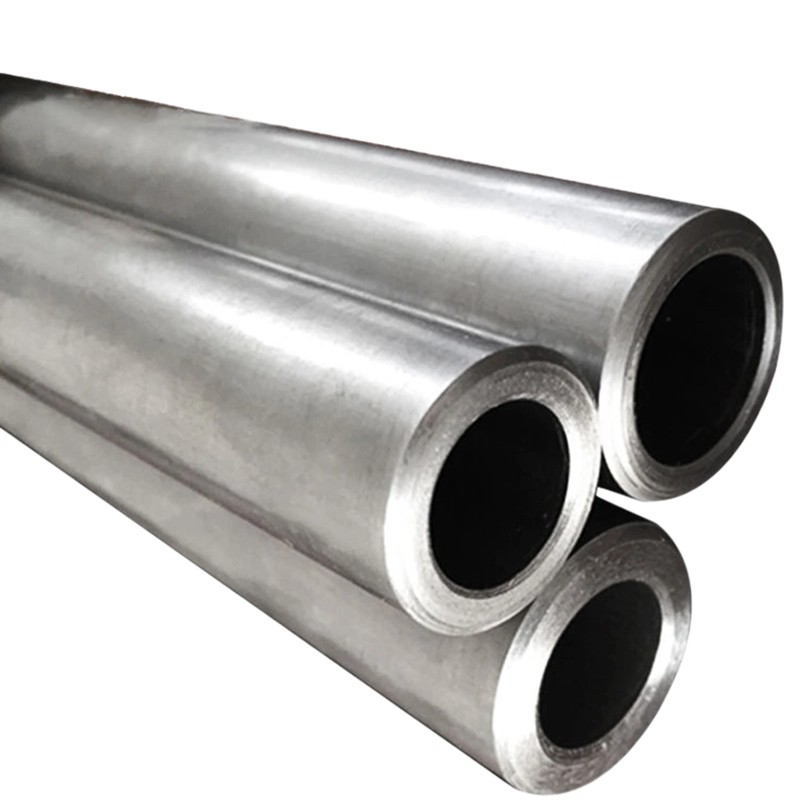
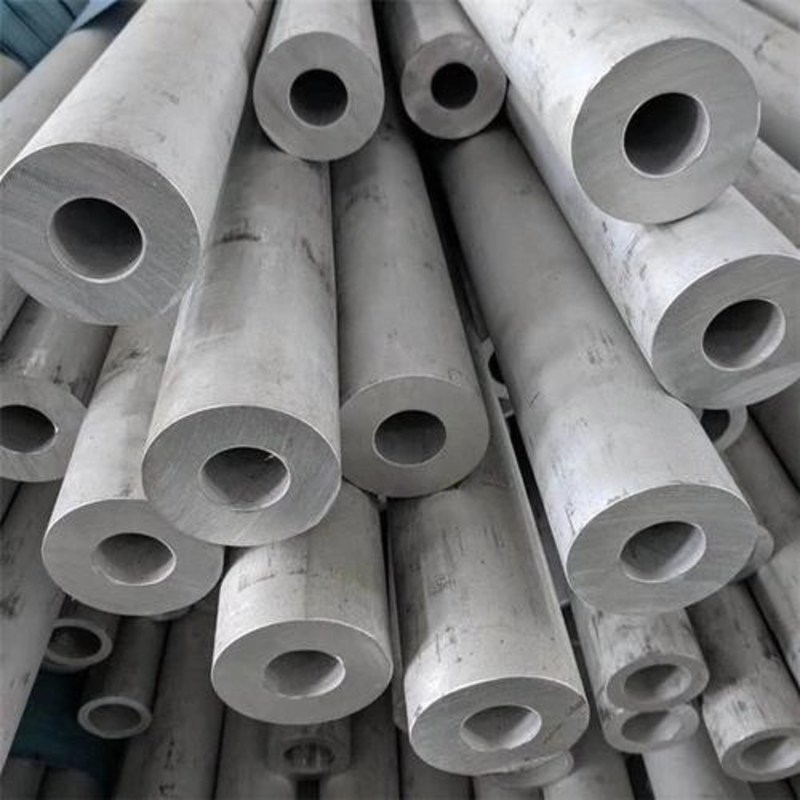 Sch 120 Stainless Steel Wall Thickness Seamless Pressure Vessel Pipe 304As an important equipment in chemical, petroleum, pharmaceutical, and other industries, the safety and reliability of pressure vessels are very important to the stabil...View Product →
Thick-wall pressure vessel work is a typical entry point, where the grade's ductility and stable austenitic structure tolerate forming and welding without excessive hardness. Wall thicknesses from SCH 10 up to SCH 160 are regularly supplied in the equivalent 304 chemistry.
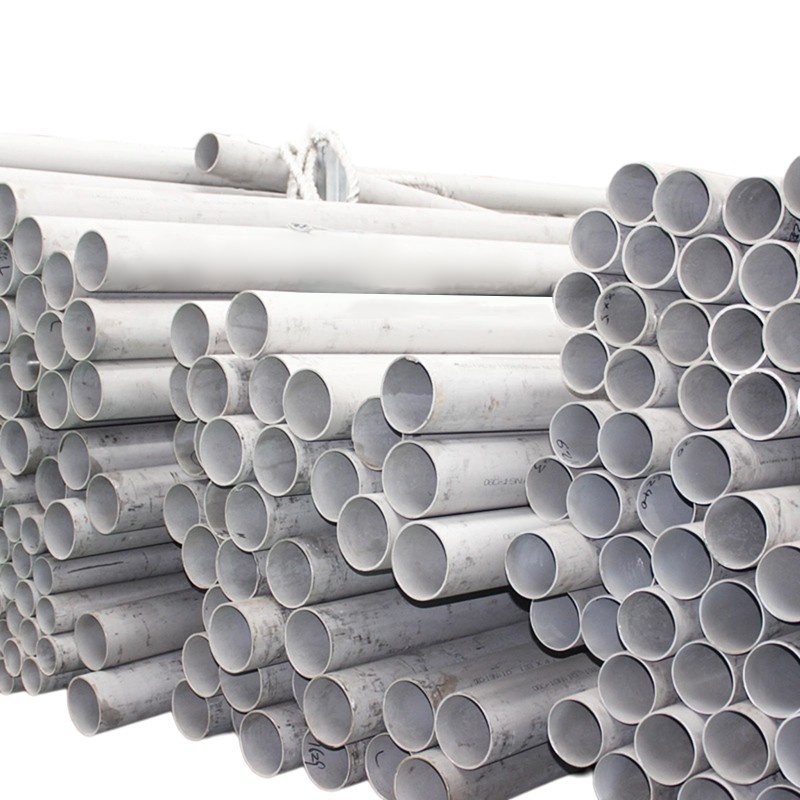
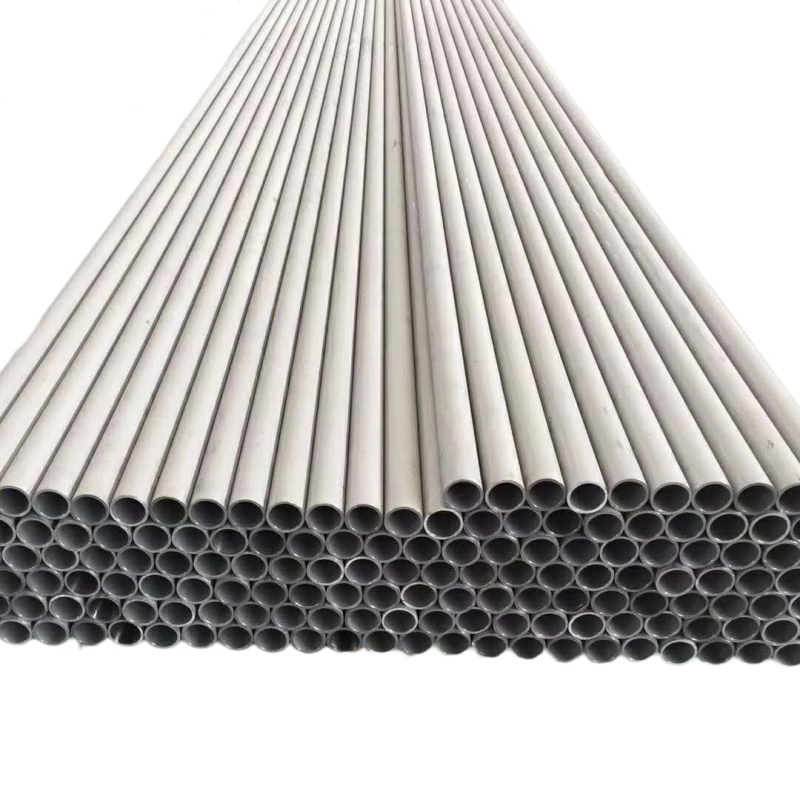 Stainless Seamless Steel Heat Exchanger 304 Pipes Transfer Heat EfficientlyA stainless steel heat exchanger tube is a high-performance heat exchanger material. Due to its corrosion resistance, high-temperature strength, and reliable mechanica...View Product →
Heat transfer is the other large volume application. A thermal conductivity near 16 W/m.K, combined with a surface that resists scaling in clean steam and cooling water circuits, keeps 304 tube in demand for exchangers and condensers across power, chemical and food plants.
Hygienic and Potable Water Applications
European water utilities and food processors have used 1.4301 for decades, and the same chemistry continues in potable water systems where cleanliness, a smooth bore and resistance to chlorinated water matter. Where lines are welded in the field and the joints cannot be fully annealed afterwards, the low-carbon equivalent is the safer specification, because it removes the risk of carbide precipitation in the heat-affected zone.
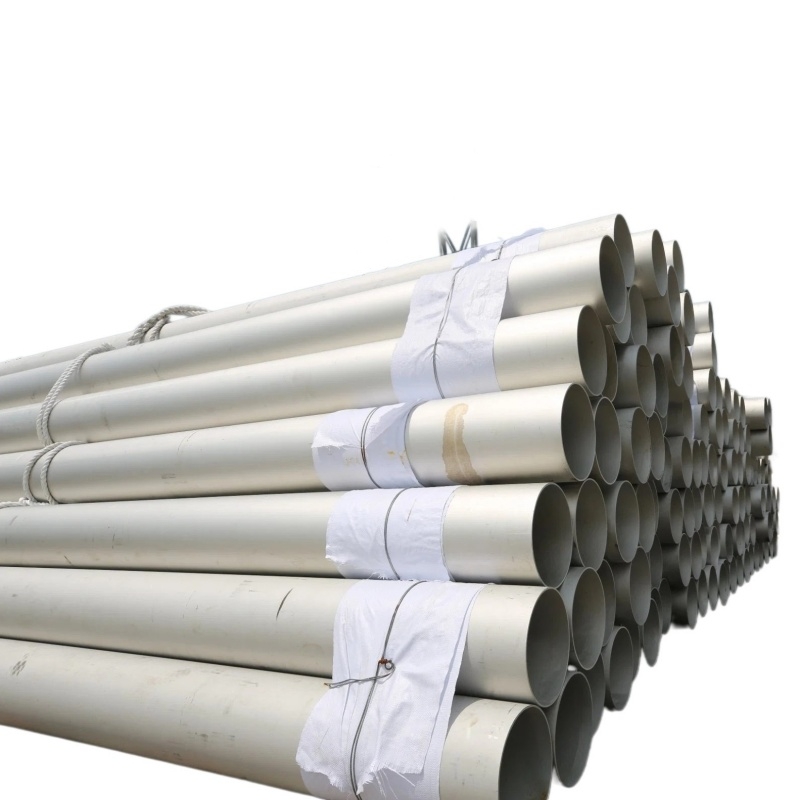
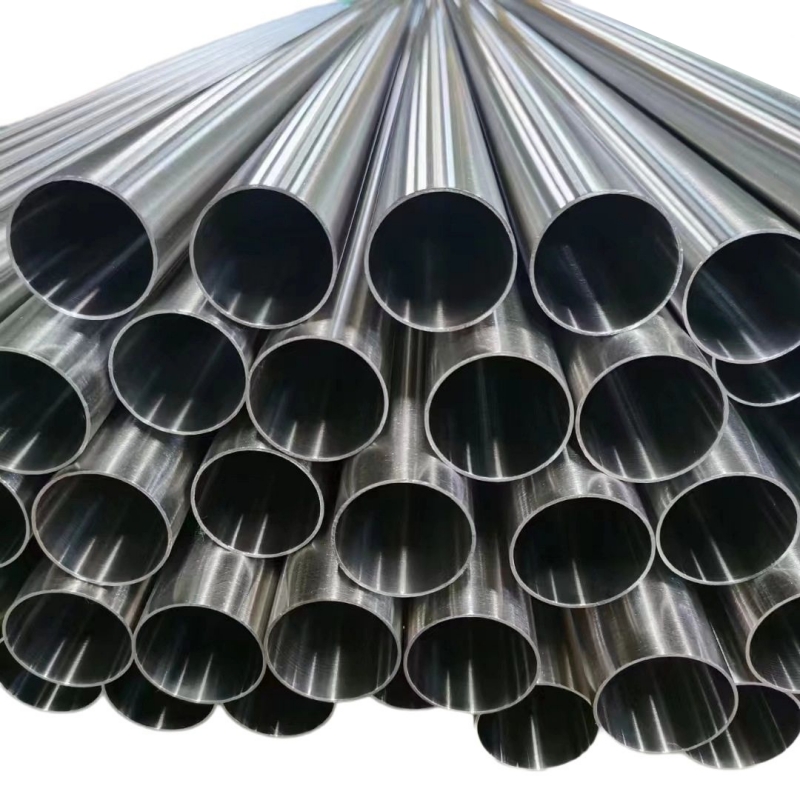 304L Food Grade Stainless Steel Welded Pipe For Drinking WaterFood-grade stainless steel is a green, environmentally friendly, and safe metal material. It is widely used in food, beverage, medical, brewing, and other industries. ...View Product →
Surface finish deserves attention here as well. A bright, pickled or polished bore reduces biofilm retention, which is why hygienic grades are usually specified together with a roughness requirement rather than by material number alone.
Where Grade Substitution Goes Wrong
Most problems we see in practice trace back to a handful of avoidable mistakes:
- Treating 1.4301 and 1.4307 as the same grade. The carbon difference is small on paper and decisive in a welded heavy-wall joint.
- Matching only the UNS number. One UNS designation can sit behind several different product specifications with different testing regimes.
- Ignoring the product standard. The same grade in seamless pipe and welded tube differs in manufacturing route, tolerance and inspection.
- Overlooking the condition of supply. Solution-annealed and cold-worked material behave very differently in terms of strength and residual stress.
- Skipping the documentation check. A material certificate issued to EN 10204 3.1 is the practical proof that the delivered heat matches the grade on the drawing.
Sourcing 1.4301 Equivalent Material with Confidence
Xinhang Special Material Co., Ltd. Hangzhou Branch has manufactured stainless steel pipe and tube for more than sixteen years, supplying seamless, welded and bright seamless products in 304, 304L, 316, 316L and duplex grades, together with matching flanges and fittings. Our stainless steel seamless tube and pipe range covers boiler, pressure vessel, heat exchanger, chemical, petrochemical, power, marine, instrument and sanitary duties, so an enquiry against a European material number can be matched to the right product standard and product form in one step.
If you are working from a drawing that says 1.4301 and need pipe, tube, flanges or fittings delivered against the corresponding specification, send us the grade, size, wall thickness and standard at sales@xhxmat.com or call our sales team. We will confirm the equivalent designation, the applicable product standard and the documentation package before the order is placed.
An equivalent grade is a starting point for conversation, not a finished answer. Confirm the chemistry window, the product standard, the condition of supply and the test requirements, and 1.4301, 304, SUS 304 and 06Cr19Ni10 will behave exactly as your project expects them to.