
 English
 русский
Content
Coil tubing technology has become one of the most essential tools in the modern oil and gas industry. Whether it is well intervention, stimulation, or drilling, coil tubing companies deliver critical services that keep hydrocarbon production running efficiently. Understanding who the major players are — and what materials make their operations possible — is valuable knowledge for engineers, procurement teams, and supply chain managers across the energy sector.
What Is Coil Tubing and Why It Matters
Coil tubing refers to a continuous length of steel pipe wound on a large reel, which can be injected into a wellbore without the need to connect individual joints. This allows operations to be conducted on live wells under pressure, significantly reducing non-productive time and operational costs compared to conventional workover rigs.
The applications of coil tubing are extensive. In oil and gas production, it is routinely used for well cleanouts, hydraulic fracturing, acidizing, cementing, logging, and plug millout operations. As wells become deeper, more deviated, and more complex, coil tubing services have evolved alongside them — integrating real-time monitoring, extended-reach capabilities, and digital job management tools.
According to technical standards published by the Society of Petroleum Engineers, coiled tubing operations now account for a growing share of total well intervention activity globally, driven by increasing horizontal well counts and tighter operational budgets.
Top Coil Tubing Companies in the World
The coil tubing services market is dominated by a mix of large integrated oilfield service giants and specialized independent operators. Below are the leading companies shaping the industry today.
SLB (Schlumberger) is the world's largest oilfield services company and offers a comprehensive suite of coiled tubing services spanning well intervention, diagnostics, stimulation, and cementing across all major global basins. Its digital integration capabilities allow for real-time job monitoring even in remote offshore environments.
Halliburton provides advanced coiled tubing solutions with a strong focus on horizontal wells, extended-reach applications, and subsea environments. The company's hydraulic and mechanical analysis tools allow engineers to model forces across complex wellbore geometries before any pipe is deployed downhole.
Baker Hughes brings its coiled tubing offering within a broader well intervention and completion services portfolio. The company is particularly active in deepwater and high-pressure/high-temperature (HPHT) environments, where material performance and service reliability are non-negotiable.
Weatherford International is recognized for its coiled tubing equipment manufacturing alongside its service operations, giving it a vertically integrated position in the market. Its global footprint covers North America, the Middle East, Asia-Pacific, and Europe.
NOV Inc. focuses primarily on coiled tubing equipment manufacturing — supplying injector heads, reels, control cabins, and blowout prevention systems to operators and service companies worldwide. NOV's equipment is considered an industry benchmark for heavy-duty land and offshore applications.
KLX Energy Services has distinguished itself by deploying the industry's first fully electric coiled tubing spread, reducing emissions and operational noise on location — an increasingly important differentiator as operators pursue sustainability targets.
Calfrac Well Services and Superior Energy Services round out the top tier of independent coil tubing operators, both of which have strong North American land presence across major basins including the Permian, DJ Basin, and Western Canada.
Key Services Offered by Coil Tubing Providers
The service portfolio of a modern coil tubing company typically spans the entire well lifecycle. Understanding what these services involve helps procurement teams and project managers select the right partner for each phase of operations.
- Well Cleanout and Debris Removal: Coil tubing is used to pump fluid downhole, agitating and lifting debris out of the wellbore — restoring flow paths without killing the well.
- Plug Millout: After hydraulic fracturing, composite plugs left in the wellbore must be drilled out. Coiled tubing-conveyed mill assemblies grind through these plugs efficiently, enabling production startup.
- Acid Stimulation: Coil tubing precisely delivers acid treatments to targeted intervals in the formation, improving permeability and production rates — particularly effective in carbonate reservoirs.
- Nitrogen Lift and Unloading: Gasified fluids injected via coil tubing assist in unloading liquids from loaded gas wells, restoring natural lift and increasing gas production.
- Logging and Diagnostics: Downhole tools conveyed on coil tubing provide real-time measurements of temperature, pressure, and formation properties across the wellbore.
- Cementing and Sand Control: Targeted cement squeezes and sand consolidation treatments can be precisely placed using coiled tubing as the delivery mechanism.
The most competitive coil tubing companies combine operational expertise with digital job design software, allowing pre-job simulation of tubing forces, fluid hydraulics, and reach limits — significantly reducing risk on complex wells.
What Materials Are Used in Coil Tubing Systems
The performance of any coil tubing operation ultimately depends on the material properties of the tubing string itself. Coil tubing must endure cyclic fatigue, high internal pressures, corrosive wellbore fluids, and significant bending stresses every time it is spooled on and off the reel. Material selection is therefore a defining factor in both safety and economics.
Standard coil tubing strings are manufactured from low-alloy high-strength steel, but the auxiliary systems — flow control lines, downhole instrument conduits, chemical injection lines, and hydraulic control systems — increasingly rely on high-performance stainless steel tubing for their superior corrosion resistance and dimensional precision.
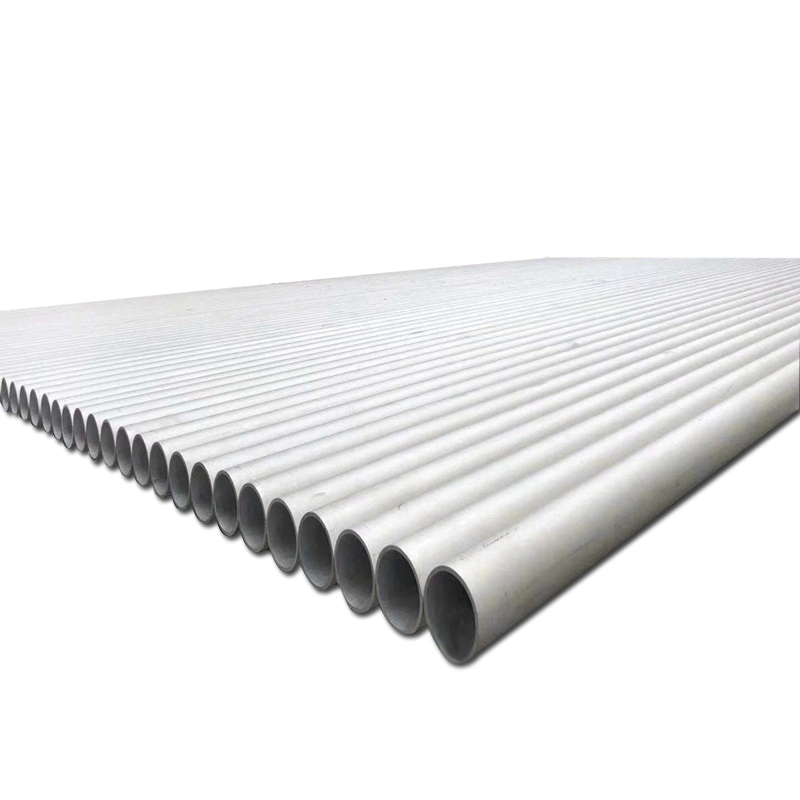
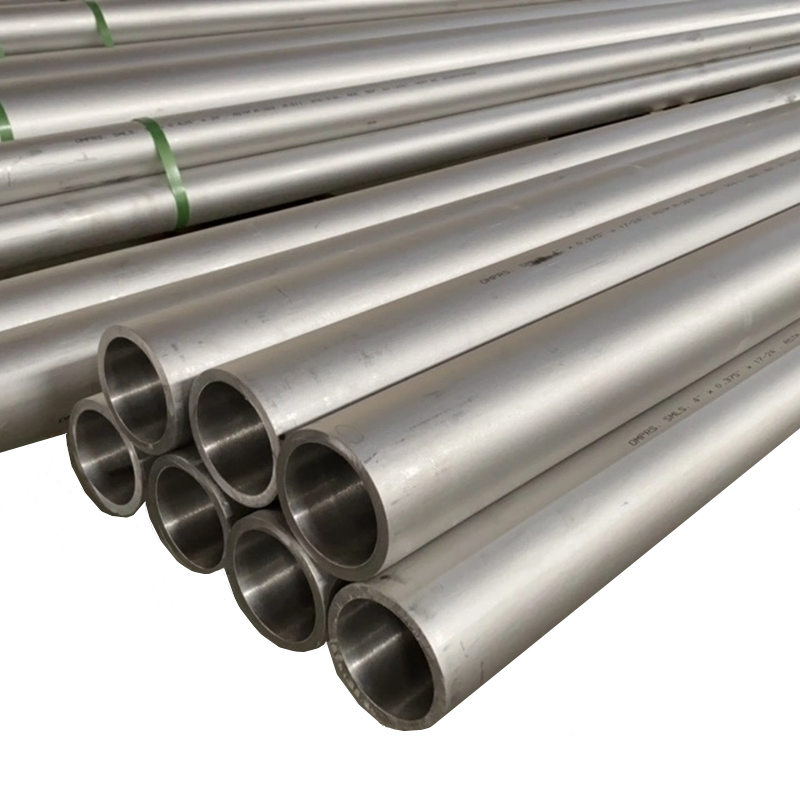
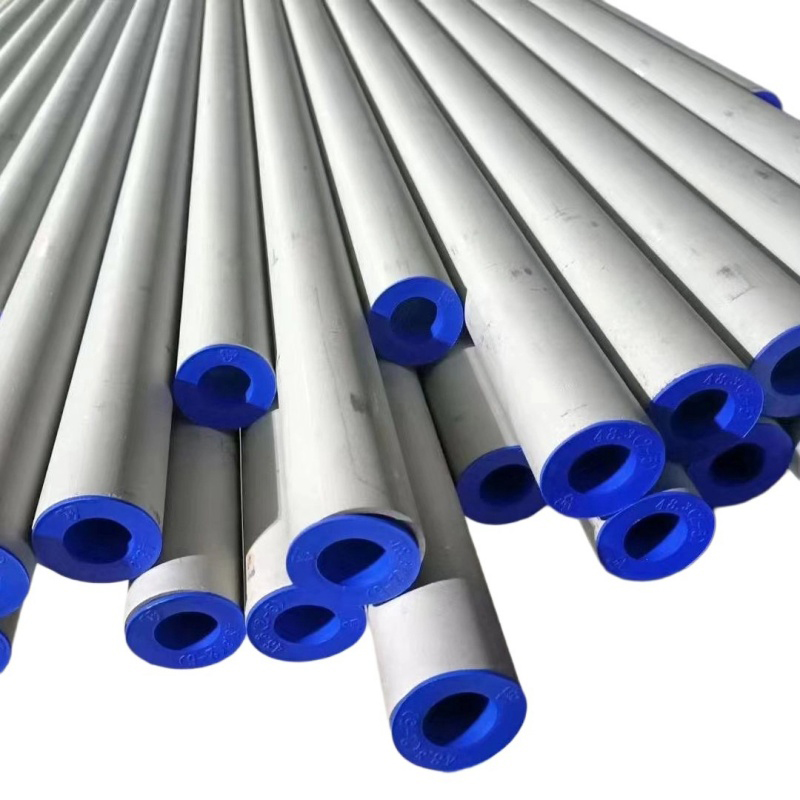
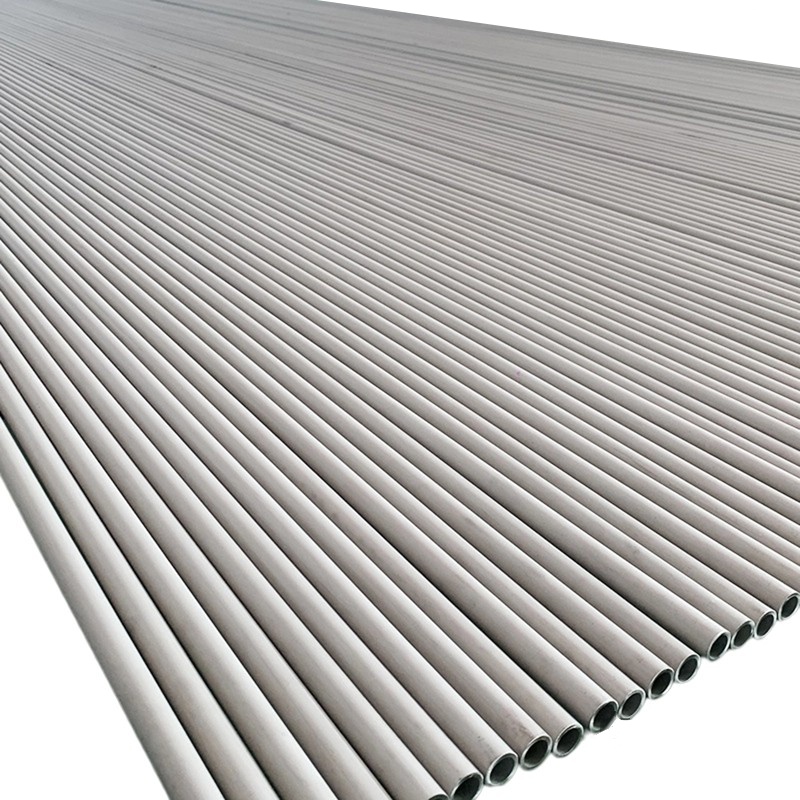
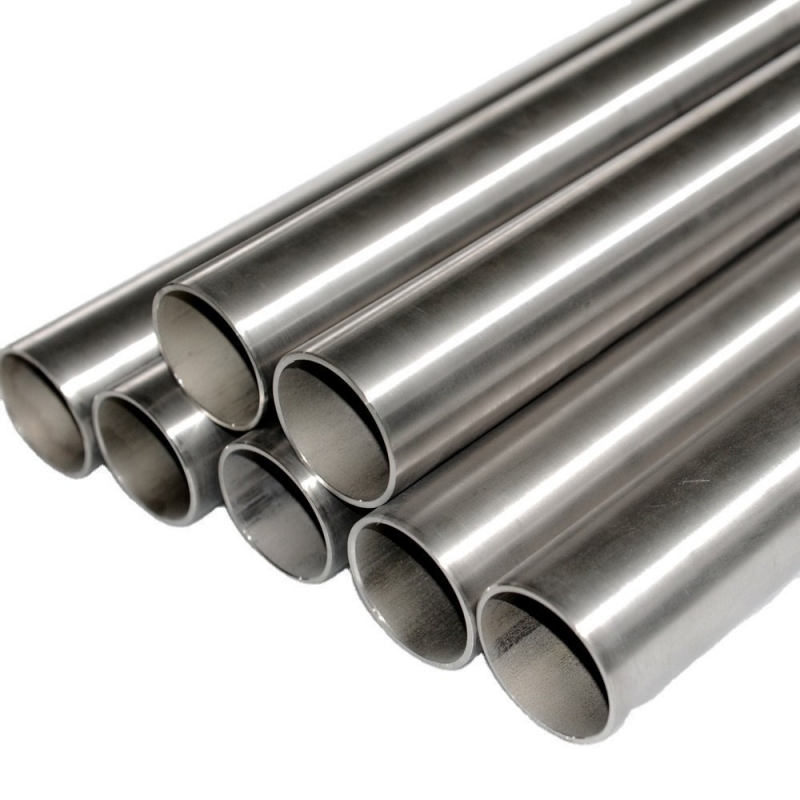
Grades such as 316L and duplex stainless steels (e.g., 2205) are widely used in coil tubing auxiliary systems due to their resistance to chloride-induced stress corrosion cracking, which is common in saline wellbore environments. For downhole chemical injection lines operating at elevated temperatures and pressures, seamless stainless steel tubing for high-pressure oil and gas applications offers the wall thickness uniformity and surface integrity required to maintain long-term reliability.
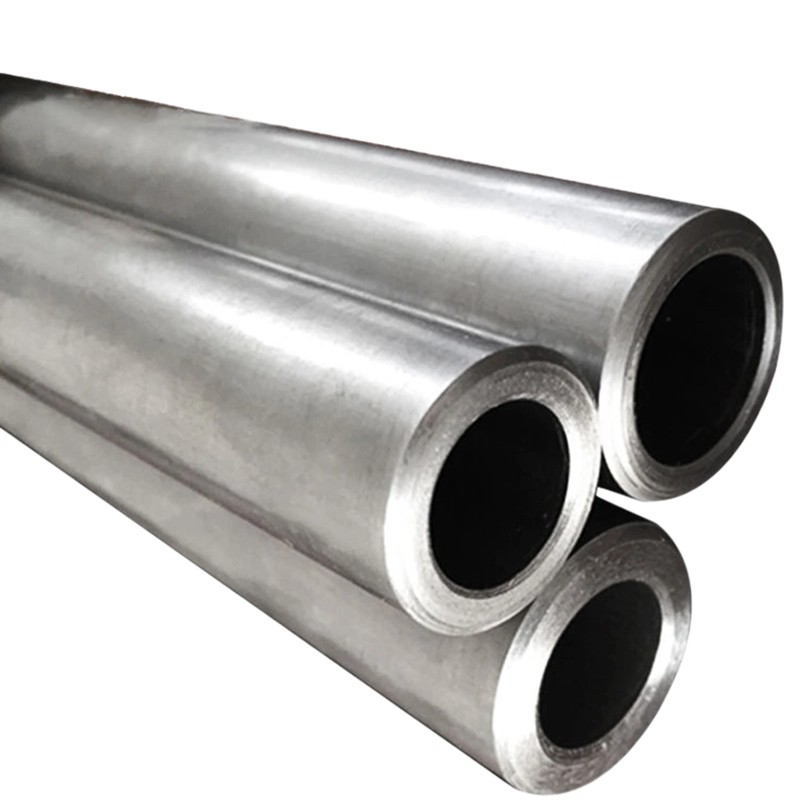
In the wellhead and surface equipment connecting coil tubing systems to the well, corrosion-resistant pipes engineered for petrochemical environments are essential for managing sour gas (H₂S) and CO₂-laden production fluids. The seamless manufacturing process eliminates weld seams — the primary failure point under cyclic pressure loading — making seamless pipe the preferred specification for all high-stress coil tubing system components.
| Grade | Key Properties | Typical Application |
|---|---|---|
| 316L | High chloride resistance, low carbon | Chemical injection lines, surface piping |
| 2205 Duplex | High strength + corrosion resistance | High-pressure subsea control lines |
| 304 / 304L | General corrosion resistance, cost-effective | Wellhead connections, non-sour service |
| Super Duplex (2507) | Exceptional pitting resistance, HPHT rated | Offshore and deepwater systems |
How to Choose a Coil Tubing Material Supplier
For coil tubing companies and their engineering contractors, selecting a reliable stainless steel tube and pipe supplier is as critical as selecting the service company itself. The wrong material specification — or poor manufacturing quality — can result in early failure, costly intervention, and in extreme cases, well control incidents. The following criteria should guide supplier evaluation.
- Certifications and Standards Compliance: At minimum, suppliers should hold ISO 9001 quality management certification. For oil and gas applications, ASME, PED, and classification society approvals (ABS, DNV, BV, LR) confirm that the manufacturer operates to internationally recognized standards.
- Seamless Manufacturing Capability: Welded pipe is not acceptable for most coil tubing pressure-bearing applications. Confirm that the supplier operates dedicated seamless tube production lines with full dimensional and mechanical testing.
- Material Traceability: Full material test reports (MTRs), heat number traceability, and third-party inspection options are baseline requirements for oilfield supply chains.
- Custom Specification Support: Coil tubing downhole tools often require non-standard OD/wall combinations or specific surface finish requirements. A supplier with OEM/ODM capability and in-house R&D can accommodate these needs without long lead times.
- Proven Track Record in Energy Sector: Suppliers who have already delivered tubing for petroleum, chemical, and nuclear industry applications will understand the compliance documentation and inspection protocols required by major operators.
For teams sourcing precision-toleranced stainless tubes for downhole instrumentation, working with a manufacturer that offers bright annealing, electropolishing, and tight OD/wall tolerances in-house eliminates secondary processing steps and reduces procurement cycle time.
Conclusion
The global coil tubing industry is led by a handful of technically sophisticated service companies that continue to push the boundaries of well intervention capability — deeper wells, longer laterals, harsher environments. But behind every successful coil tubing operation is a supply chain of high-performance materials, and stainless steel tubing sits at the center of that chain.
As wells become more complex and operators demand longer service life from downhole equipment, the quality of auxiliary tubing and piping systems becomes a direct competitive factor. Partnering with a certified, experienced seamless stainless steel tube manufacturer ensures that coil tubing companies and their clients receive materials that perform reliably under the most demanding wellbore conditions — every time.