
 English
 русский
Content
- 1 Why Stainless Steel Pipe Is Trusted for Gas Systems
- 2 Choosing the Right Grade: 304 vs 316 vs 316L
- 3 Welded vs Seamless Stainless Steel Pipe for Gas Applications
- 4 Compliance Standards You Need to Know
- 5 Installation Best Practices for Gas Piping
- 6 Applications Across Industries
- 7 How to Source Certified Stainless Steel Gas Pipe
Gas infrastructure demands materials that perform without compromise — no leaks, no corrosion failures, no pressure surprises. Stainless steel pipe has earned its place as one of the most reliable choices for gas distribution systems, from residential installations to large-scale industrial pipelines. But selecting the right grade, type, and configuration requires more than picking a spec sheet. This guide walks through everything a project engineer or procurement team needs to know.
Why Stainless Steel Pipe Is Trusted for Gas Systems
The case for stainless steel in gas applications starts with corrosion resistance. Natural gas itself is relatively dry, but real-world pipelines encounter moisture, hydrogen sulfide traces, and aggressive soil conditions — environments that can degrade black iron pipe over time. Stainless steel forms a self-repairing chromium oxide layer on its surface, providing passive protection without coatings or liners.
Beyond corrosion, stainless steel offers high tensile strength and dimensional stability across a wide temperature range, from cryogenic LNG service to elevated-temperature process lines. Its smooth interior surface minimizes flow resistance, and the absence of scale buildup reduces maintenance requirements over the pipe's service life.
Compared to black steel pipe, stainless steel requires less frequent inspection and replacement — a meaningful advantage in buried or hard-to-access runs. For project teams working across commercial buildings, petrochemical plants, or offshore facilities, this translates directly into lower lifecycle cost. Explore our range of welded stainless steel pipe designed for gas distribution to see available specifications.
Choosing the Right Grade: 304 vs 316 vs 316L
Not all stainless steel is equivalent in gas service. Grade selection should be driven by the specific environment, operating pressure, and gas composition — not just cost.
| Grade | Key Composition | Best For | Limitations |
|---|---|---|---|
| 304 / 304L | 18% Cr, 8% Ni | Dry indoor gas lines, commercial buildings, general service | Lower resistance to chloride pitting |
| 316 | 16% Cr, 10% Ni, 2% Mo | Coastal environments, chemical-adjacent lines, moderate H₂S exposure | Slightly lower weldability than 304 |
| 316L | Low-carbon 316 | Welded assemblies in corrosive or marine environments, LNG systems | Higher material cost |
For most standard commercial and residential gas piping in temperate climates, Grade 304 provides a reliable and cost-effective solution. Step up to 316 or 316L when the installation site involves coastal exposure, high humidity, or any gas stream containing trace sulfur compounds. In cryogenic or LNG applications, 316L's low carbon content and resistance to stress corrosion cracking make it the preferred choice.
One common mistake is assuming that any stainless steel pipe passes code for gas service. Only certified pipes meeting relevant material standards are approved — always verify the mill certificate and confirm the grade against your project's applicable code before ordering.
Welded vs Seamless Stainless Steel Pipe for Gas Applications
The manufacturing method affects both performance characteristics and cost, and the choice depends heavily on the operating pressure and application type.
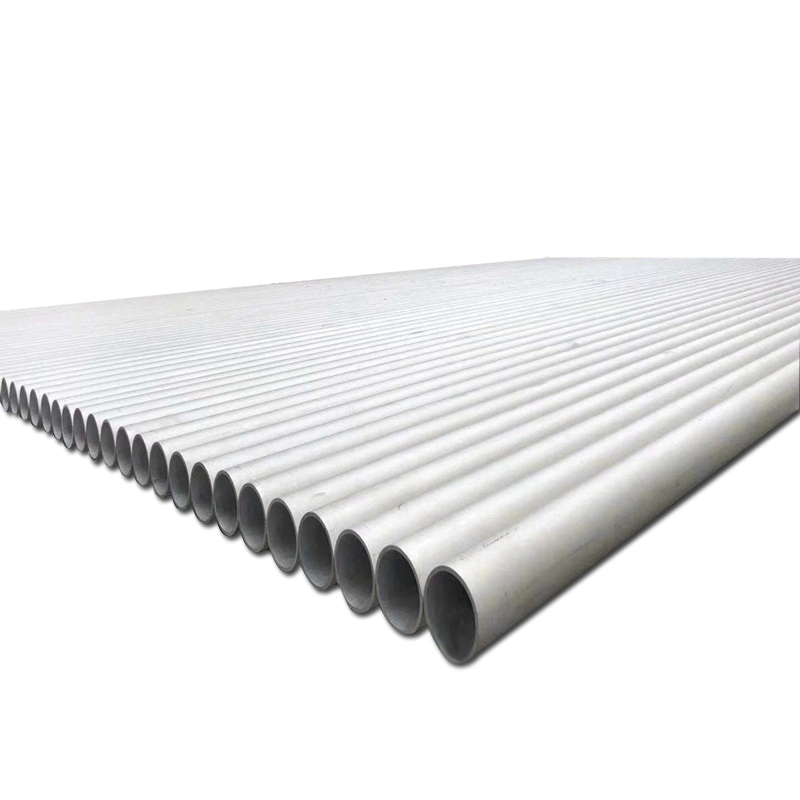
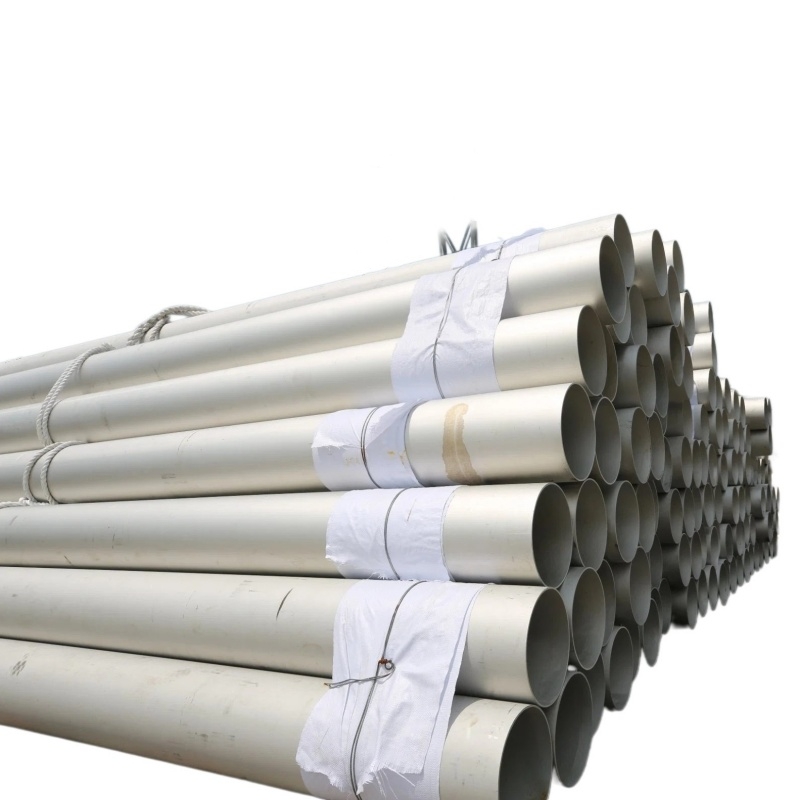
Welded stainless steel pipe is formed from flat-rolled strip that is shaped and welded longitudinally. Modern automatic welding processes produce consistent, high-quality weld seams that meet gas service requirements in most commercial and moderate-pressure industrial applications. Welded pipe is available in a wider range of diameters and wall thicknesses at lower cost than seamless equivalents — making it the practical choice for gas distribution networks, building supply lines, and process piping where pressures fall within standard ratings.
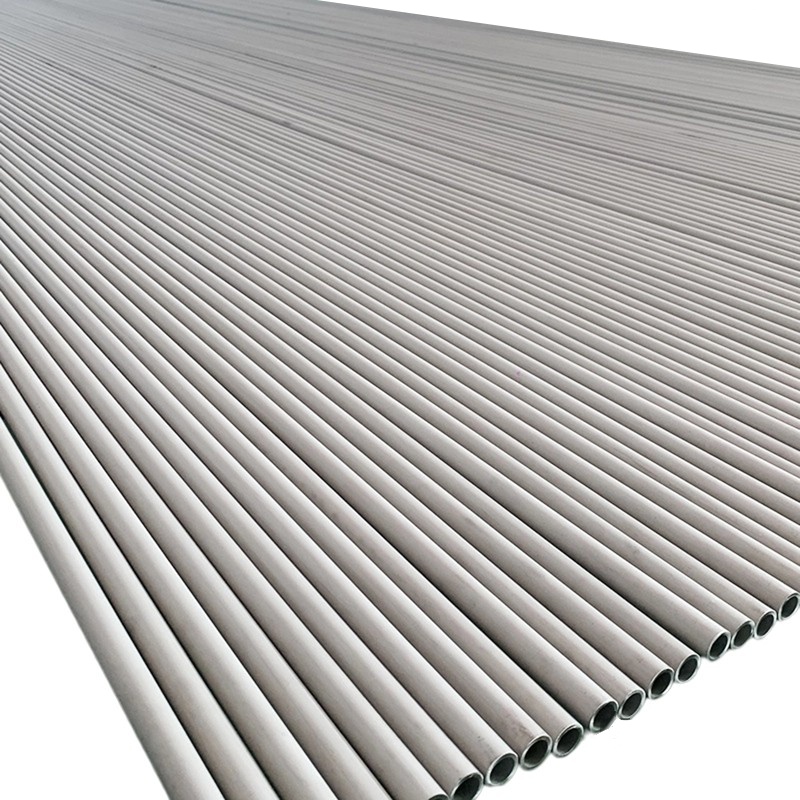
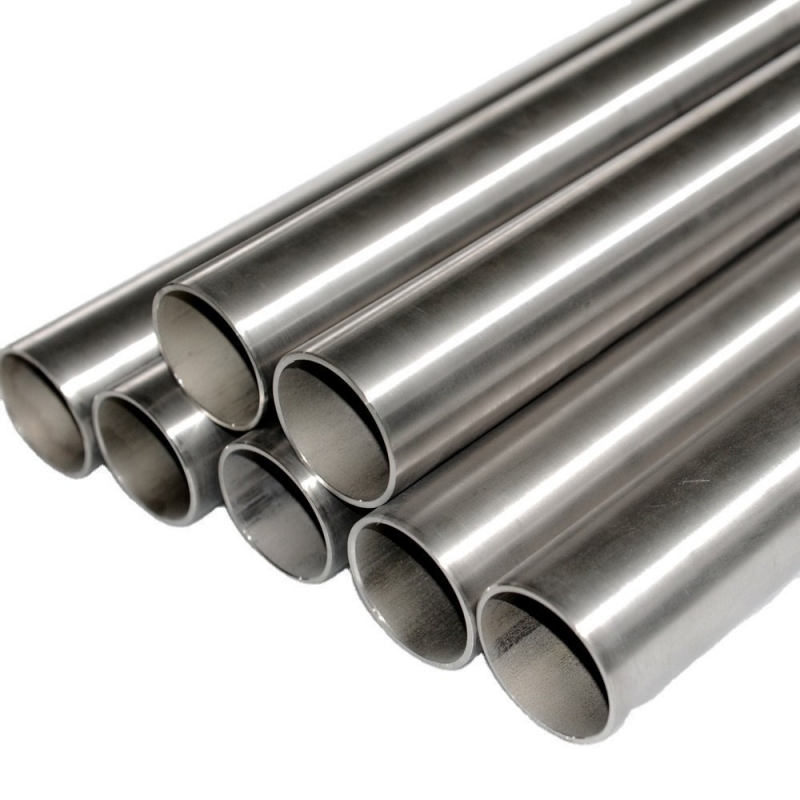
Our thin-wall bright welded round pipe for gas systems delivers a polished surface finish with tight dimensional tolerances, suited for both exposed and concealed gas line installations.
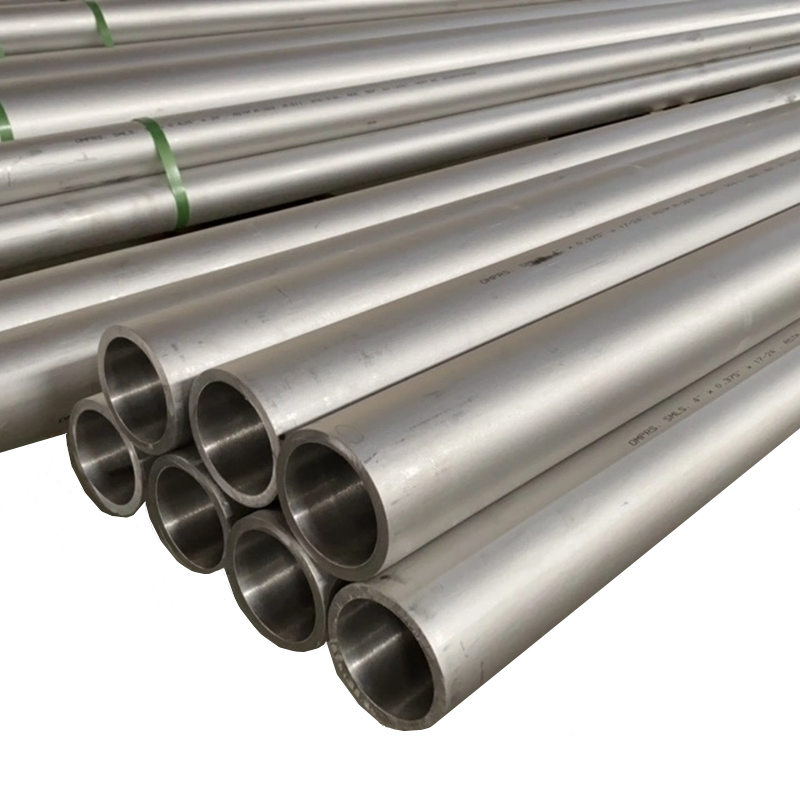
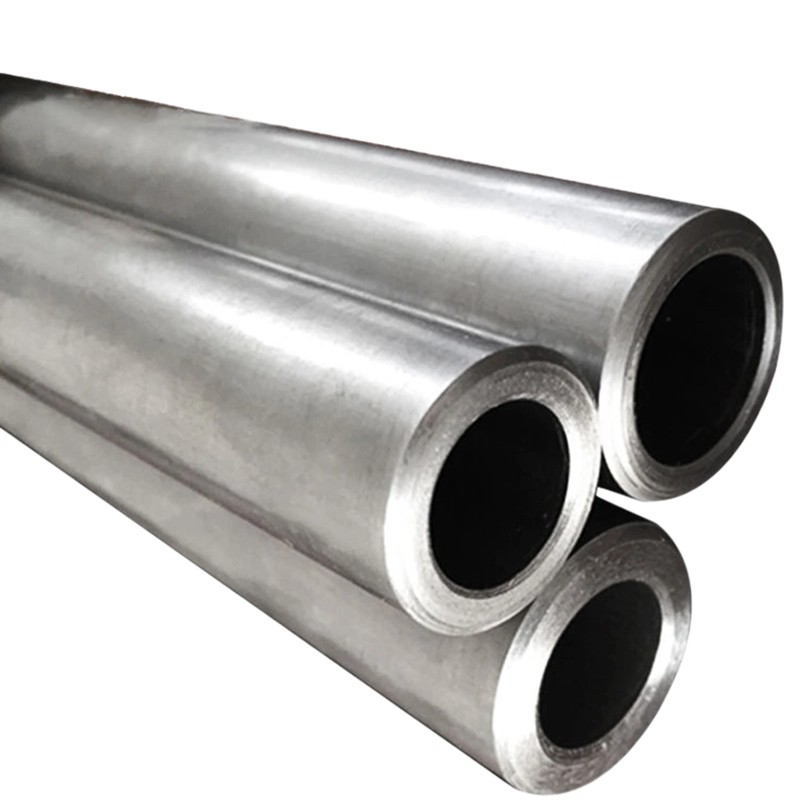
Seamless stainless steel pipe is extruded or drawn from solid billets, eliminating any weld seam. This gives it a uniform wall thickness and superior performance under high-pressure cycling, thermal shock, and critical service conditions. Seamless pipe is the standard choice for high-pressure gas injection lines, refinery process piping, and applications governed by ASME B31.3 Process Piping requirements where weld integrity must be demonstrated through additional testing.
For most gas distribution and commercial building projects, welded pipe offers the best balance of performance and value. Reserve seamless for high-pressure or critical-service scenarios where the additional cost is justified by the operating conditions.
Compliance Standards You Need to Know
Using stainless steel pipe for gas is not simply a materials decision — it requires alignment with the applicable codes and standards for your target market. The key specifications most commonly referenced are:
- ASTM A312: The primary standard for seamless, welded, and heavily cold-worked austenitic stainless steel pipes. It covers grades from TP304/304L through TP316/316L and defines chemical composition, mechanical properties, heat treatment, and testing requirements. Any stainless steel gas pipe procured for North American or internationally recognized projects should carry A312 certification.
- ASME B31.3: The Process Piping code, which governs the design, materials, fabrication, testing, and inspection of process piping systems including gas lines in industrial plants and refineries. B31.3 imposes additional requirements for weld examination and pressure testing beyond the basic material standard.
- NFPA 54 / ANSI Z223.1: The National Fuel Gas Code governing the safe installation of fuel gas piping in buildings. Since the 2018 edition, it explicitly recognizes stainless steel smooth-wall pipe and tubing as acceptable piping materials, with a minimum Schedule 10 wall requirement for rigid stainless installations.
- EN 10216-5: The European standard for seamless stainless steel tubes for pressure purposes, referenced in EU projects and frequently specified alongside ASTM A312 for dual-certified supply.
Always confirm the specific requirements for your jurisdiction and project type. For pressure rating guidance, see our technical resource on pressure ratings and schedule standards for stainless steel pipe.
Installation Best Practices for Gas Piping
Material quality alone does not guarantee a safe gas system. Installation quality — particularly joint integrity — determines whether a stainless steel gas line performs as designed or becomes a liability.
Joint methods approved for stainless steel gas pipe include:
- TIG (GTAW) welding: The standard for demanding applications. TIG produces clean, full-penetration welds with minimal contamination. For gas service, purge the pipe interior with argon during welding to prevent oxidation on the weld root.
- Press-connect fittings: Listed to CSA LC 4 and increasingly accepted under NFPA 54, press fittings offer fast, reliable connections without open flame — a significant advantage in occupied buildings or confined spaces.
- Threaded connections: Acceptable for certain sizes under NFPA 54 (Schedule 40 minimum for threaded stainless). Use PTFE tape or gas-rated thread sealant rated for stainless — standard pipe dope can contain compounds that degrade stainless surfaces over time.
- Brazed joints: Permitted for stainless when using alloys with a melting point above 1000°F (538°C) and fluxes specifically recommended for stainless steel alloys.
Critical installation rules: Never mix stainless steel directly with carbon steel or galvanized pipe without a dielectric union — galvanic corrosion will attack the less noble metal at the junction. After any welded assembly, conduct a pressure test (typically pneumatic at 1.5× operating pressure, or hydrostatic per project spec) before covering or burying the line. For guidance on achieving leak-free performance, refer to our article on how to improve sealing performance in stainless steel gas pipe, and review available stainless steel pipe connectors: types, selection, and applications.
Applications Across Industries
Stainless steel gas pipe is not a niche product — it appears across a wide spectrum of sectors, each placing different demands on the material.
- Residential and commercial buildings: Indoor gas supply lines to boilers, furnaces, commercial kitchens, and laboratory gas systems. The clean appearance and corrosion resistance of stainless make it well-suited for exposed installations in modern buildings.
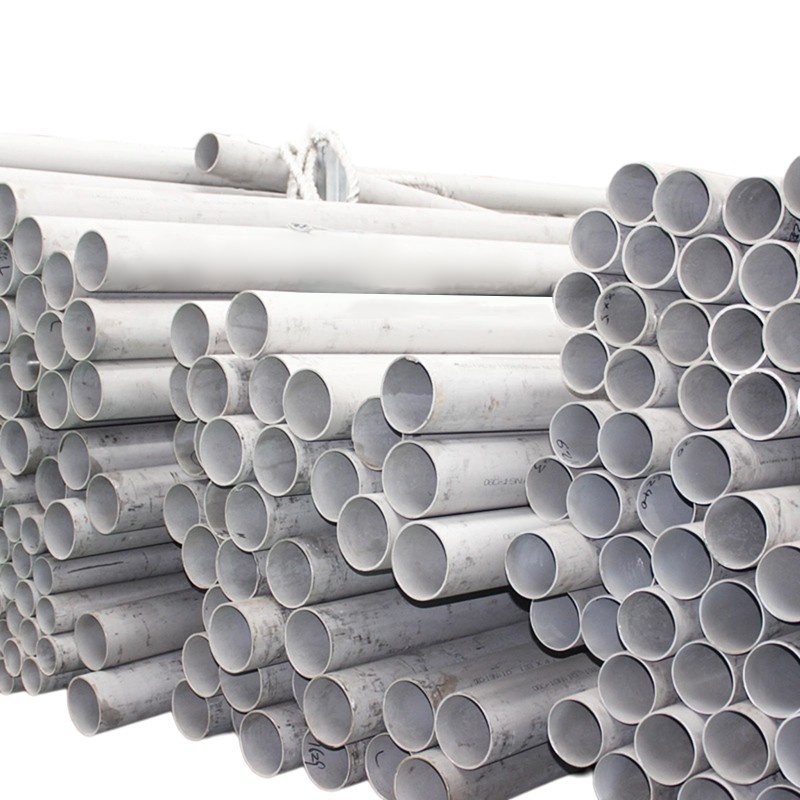
- Industrial and petrochemical plants: Process gas lines operating at elevated pressures and temperatures, where ASME B31.3 compliance and seamless construction are typically required. Grade 316L is common in refinery environments with potential sulfur or chloride exposure. See our full range of stainless steel pipes for industrial fluid transportation.
- LNG and CNG infrastructure: Liquefied and compressed natural gas systems demand materials that maintain structural integrity under extreme temperature cycling. Grade 316L stainless steel handles cryogenic conditions without embrittlement, unlike carbon steel alternatives that require impact testing and special procedures at low temperatures.
- Coastal and offshore facilities: Marine environments with airborne chloride accelerate corrosion in lesser materials. Grade 316 or duplex stainless steels provide the resistance necessary to achieve the design life in these aggressive conditions.
- Middle East and Southeast Asia projects: High ambient temperatures combined with humid or dusty environments make stainless steel the preferred specification for above-ground gas distribution in industrial zones and high-rise commercial developments.
How to Source Certified Stainless Steel Gas Pipe
Specification and certification are the two non-negotiable pillars of responsible sourcing for gas piping. A pipe that looks correct but lacks the documentation to prove it is a liability on any project subject to inspection or insurance review.
Procurement checklist for stainless steel gas pipe:
- Mill test certificate (MTC): Confirm chemical composition and mechanical properties match the ordered grade and standard (e.g., ASTM A312 TP316L). The MTC should be traceable to the heat number marked on the pipe.
- Standard certification: Verify the pipe is manufactured and tested in accordance with the applicable specification — ASTM A312, EN 10216-5, or equivalent for your market.
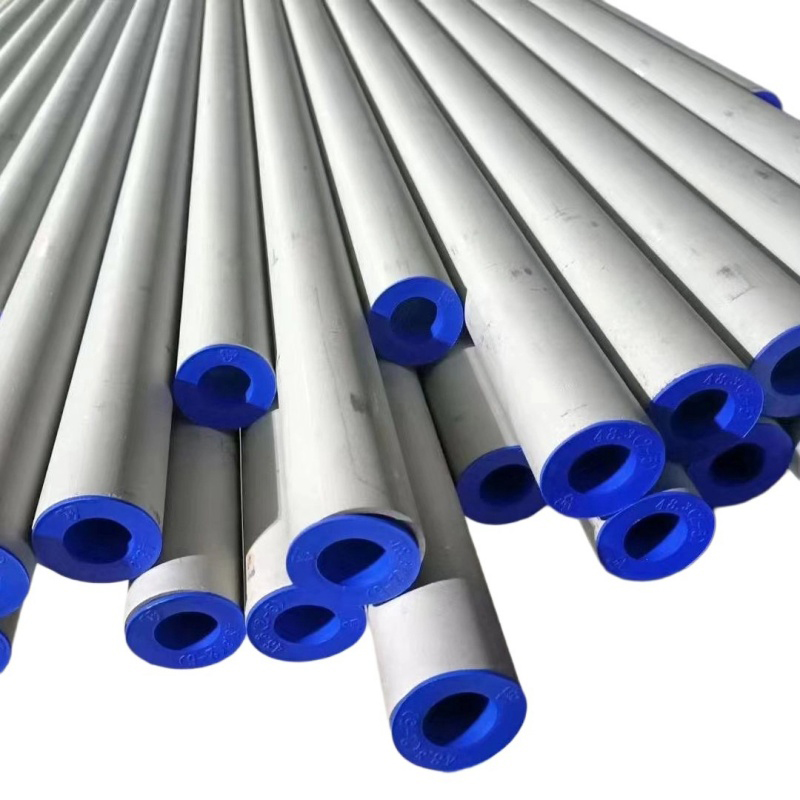
- Dimensional verification: Confirm outside diameter, wall schedule, and length match project requirements. For gas service, ensure the schedule meets the minimum wall requirement of your applicable code.
- Surface condition: For most gas applications, pickled and passivated (AP) finish is standard. If bright annealed (BA) or electropolished (EP) surface is specified for cleanliness reasons, confirm the supplier can provide the correct finish.
- Nondestructive testing records: For high-pressure or critical-service applications, confirm that hydrostatic testing or eddy-current/ultrasonic inspection has been performed as required by the specification.
Working with an experienced manufacturer who holds ISO certification and can provide full material traceability removes significant project risk. Request samples or reference projects from the supplier before committing to large-volume procurement — verified quality is always worth the upfront diligence.