
 English
 русский
Content
A thin‑wall boiler tube failed at less than 20 % of design life because the grade was selected by scaling‑resistance alone, without accounting for creep rupture at the actual service temperature. High temperature stainless steel selection for piping demands more than a look‑up table. Every degree over 500 °C changes the risk profile.
Why High Temperature Performance Matters for Stainless Steel Pipes
Piping systems in boilers, superheaters, heat exchangers, and pressure vessels routinely hold fluids at temperatures where tensile strength alone is not the design limit. The alloy must resist oxidation, maintain structural stability under sustained stress, and survive thermal cycling without cracking. Chromium, nickel, molybdenum, and small additions of silicon or aluminium determine how a grade behaves long‑term.
The Role of Alloy Composition at Elevated Temperatures
Chromium forms a protective chromium‑oxide scale on the pipe surface. Above 870 °C (1600 °F), the nature of that scale changes, and chromium content becomes the primary control. Austenitic grades containing 18–25 % Cr and 8–20 % Ni provide the best combination of high‑temperature strength and oxidation resistance for piping. Nickel stabilises the austenitic structure, while molybdenum improves creep resistance in 316 and 316H. Silicon and rare‑earth elements in grades such as 253 MA further raise the temperature at which the scale remains adherent.
Key Failure Modes: Oxidation, Scaling, and Creep
Three mechanisms dominate high temperature piping failures. Oxidation and scaling occur when the protective oxide layer breaks down or becomes too thick, leading to metal loss. A chromium content of 18 % typically allows continuous service to approximately 870 °C; 25 % Cr pushes that limit toward 1150 °C. Creep deformation under constant stress at high temperature permanently reduces wall thickness and can cause rupture. For piping under pressure, the allowable stress at temperature given in ASME B31.3 or ASME Section II is a direct function of creep‑rupture data, not just ultimate tensile strength. Thermal fatigue from repeated cycling between operating and ambient temperature accelerates crack initiation in ferritic grades and at welded joints.
Temperature Limits of Common Stainless Steel Grades
Austenitic Grades – 304, 304H, 316, 316H, 321, 347
Type 304 is the most widely used stainless for piping up to about 870 °C (1600 °F) in continuous service, where oxidation is the limit. 304H, with a controlled carbon content of 0.04–0.10 %, provides higher creep strength and is specified in ASME SA‑213 for boiler and superheater tubes. For environments with chlorides or mild acids, 316 (with 2–3 % Mo) extends corrosion resistance while maintaining similar temperature limits. 316H is the high‑carbon variant for pressure‑containing parts. Grades 321 and 347 are stabilised with titanium and niobium respectively to prevent sensitisation during welding and are used in the 800–925 °C range where carbide precipitation would otherwise weaken 304.
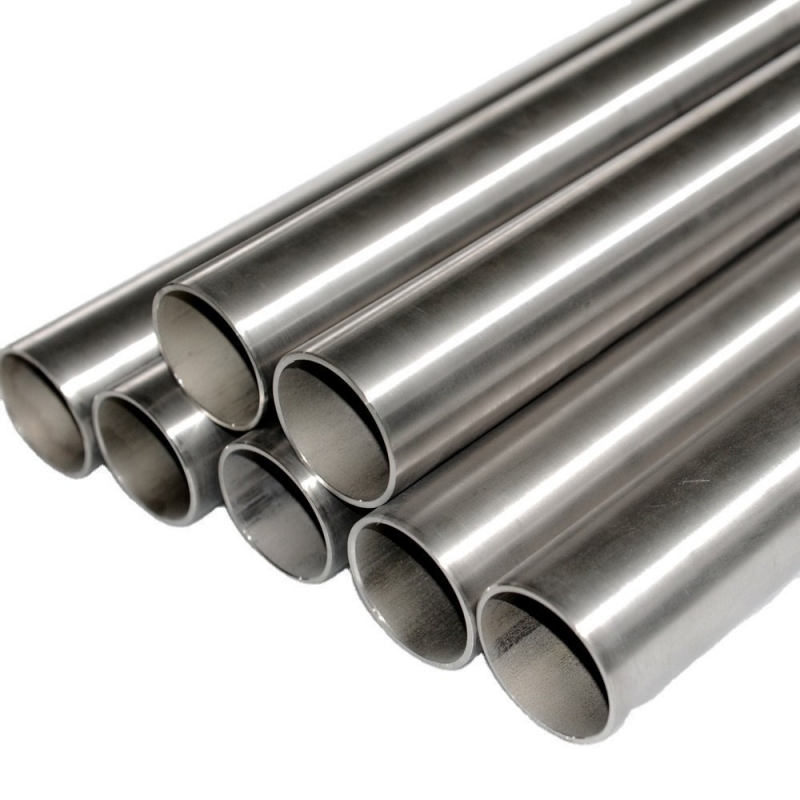
When the application is a heat exchanger built around 304 seamless tube, understanding how the material behaves under combined thermal and mechanical load is essential. 304 Seamless Heat Exchanger Pipes for Efficient Heat Transfer demonstrate the grade’s performance in fluid heating and cooling loops. For a deeper look, read our analysis of the Role of 304 Seamless Pipes in High Temperature Heat Exchangers.
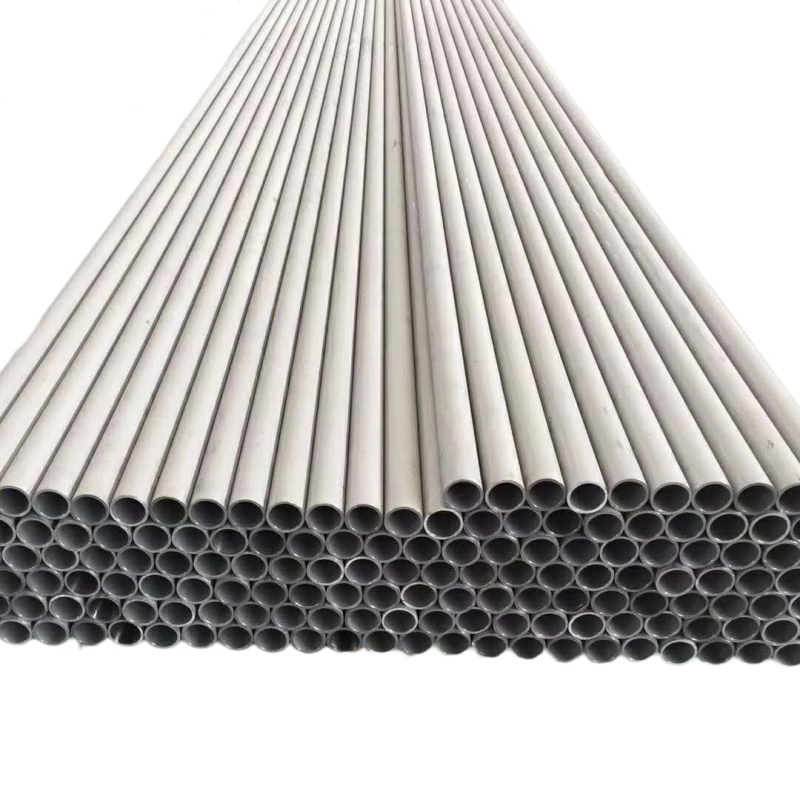 Stainless Seamless Steel Heat Exchanger 304 Pipes Transfer Heat Efficiently SuppXinhang Special Material Co., Ltd. Hangzhou Branch is Chinese custom Stainless Seamless Steel Heat Exchanger 304 Pipes Transfer Heat Effi...View Product →
High-Alloy Austenitics – 309, 310, 253 MA, 153 MA
When piping must operate above 925 °C, 309 and 310 become the reference grades. 309 (23 % Cr, 13 % Ni) handles continuous service to 1095 °C (2000 °F) and intermittent exposure to 980 °C. 310 (25 % Cr, 20 % Ni) extends continuous capability to 1150 °C (2100 °F) because of its higher chromium and nickel content. For furnace parts and radiant tubes where oxidation resistance and carburisation resistance are critical, 253 MA offers a rare combination: a lean 21 % Cr, 11 % Ni base plus silicon and cerium, yielding oxidation resistance comparable to 310 with higher creep strength up to 1150 °C. 153 MA is a lower‑nickel alternative for mildly oxidising conditions. These grades are typically used in thick‑wall pipe for petrochemical reformers and power‑generation superheaters.
Ferritic & Martensitic Grades – 430, 446, 410
Ferritic grades such as 430 and 446 have lower thermal expansion than austenitics, giving them an advantage in applications with frequent start‑stop cycles. However, their strength drops faster with temperature. Type 446, with 24 % Cr, can be used up to about 1100 °C in dry air but is prone to embrittlement after prolonged exposure between 400–500 °C. Martensitic 410 offers moderate oxidation resistance to about 700 °C and is sometimes chosen for turbine piping components where hardness and wear resistance matter. For piping systems carrying steam or hot gas, the limited creep ductility of ferritic and martensitic grades means they are rarely selected for pressure‑containing parts above 650 °C unless specific thermal‑cycling benefits are required.
Continuous vs. Intermittent Service – What’s the Difference?
Understanding Thermal Cycling Effects
Manufacturers often quote a maximum intermittent service temperature that is lower than the continuous rating for the same grade. The reason is the stress imposed by repeated expansion and contraction. A pipe heated to 900 °C and then cooled to ambient 20 times during a maintenance cycle sees far more oxide‑scale stress than a tube held steady at 900 °C. The differential expansion between the oxide scale and the base metal can cause the scale to spall, exposing fresh metal to oxidation. In stainless piping, an intermittent limit of roughly 100–150 °C below the continuous limit is common. Designers must also account for the hold time at temperature; short holds at higher temperatures may be acceptable, but when the cycle period is measured in hours, the material should be selected for the peak temperature as though it were continuous. For bolt‑up flanges and welded joints, the joint geometry amplifies thermal stress, making ferritic‑austenitic dissimilar‑metal welds particularly vulnerable.
How to Select High Temperature Stainless Steel for Pipe Applications
Matching Grade to Operating Temperature and Environment
Selection starts with the maximum design metal temperature, not the fluid temperature. A boiler tube operating with 600 °C steam may see a metal temperature of 620 °C due to heat‑transfer resistance. Once that value is established, the design code (typically ASME B31.1 for power piping or B31.3 for process piping) gives allowable stresses that reflect creep‑rupture behaviour. For boiler applications above 500 °C, the default choice is often an H‑grade 304H or 316H seamless tube. A High-Pressure Sch 40 Seamless Boiler Tube for Industrial Use illustrates how wall thickness and grade combine to meet a defined pressure‑temperature envelope. For a perspective on why stainless dominates this space, see Why Stainless Steel is Ideal for Boiler Tubes.
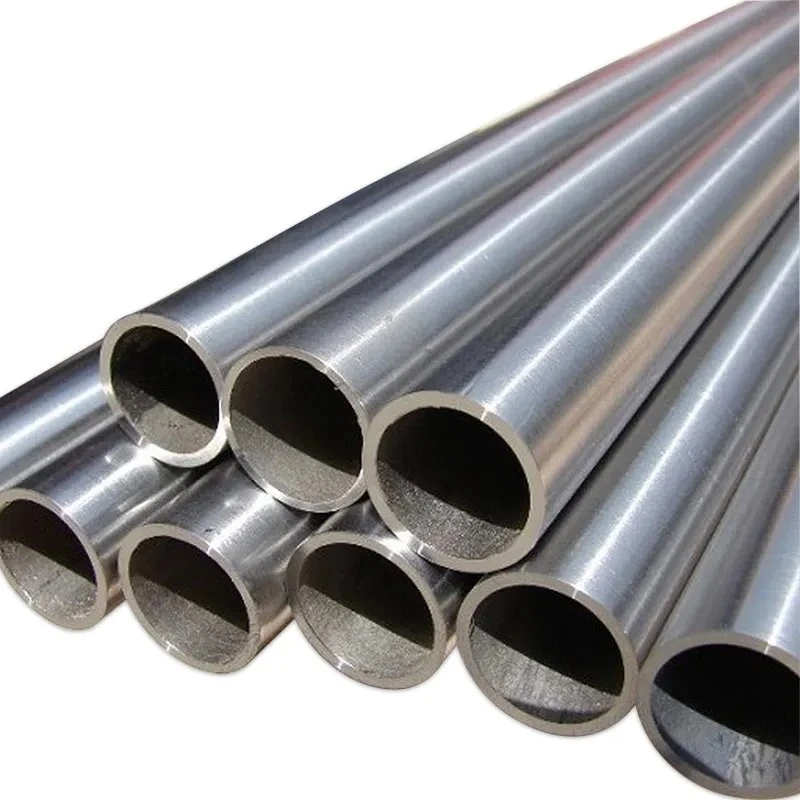 High Pressure Sch 40 Stainless Steel Seamless Boiler Tube For Industrial SupplieXinhang Special Material Co., Ltd. Hangzhou Branch is Chinese custom High Pressure Sch 40 Stainless Steel Seamless Boiler Tube For Indust...View Product →
In heat exchangers where both fluid sides are aggressive, 316L or 316H is common, but if temperatures exceed 950 °C, 310 or 253 MA may be necessary. The tube‑side velocity also influences corrosion; stagnant zones can lead to metal dusting in high‑carbon environments. Our article on Choosing the Right Stainless for Heat Exchanger Tubes covers the interplay between grade and process conditions in detail.
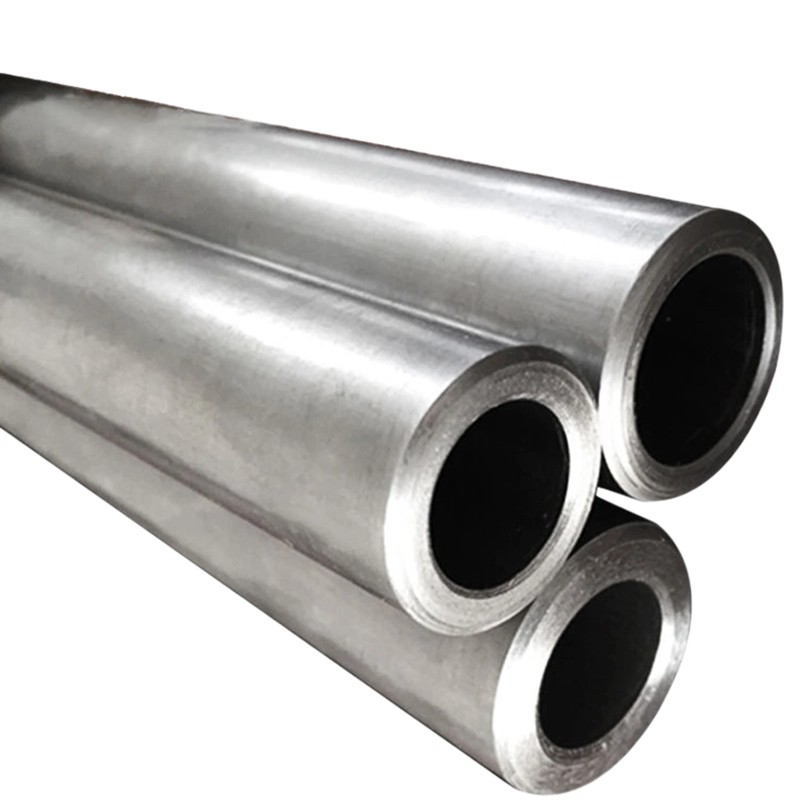
Pressure vessels carrying high‑temperature hydrogen or hydrocarbon streams require materials with both creep strength and resistance to hydrogen attack. Here, a thick‑wall seamless pipe selected for the specific design stress is critical. A High-Strength Sch 160 Seamless Pressure Vessel Pipe delivers the heavy wall needed for long‑term safety at elevated pressures and temperatures. Confirm that the material test report includes high‑temperature yield and creep data, not just room‑temperature values.
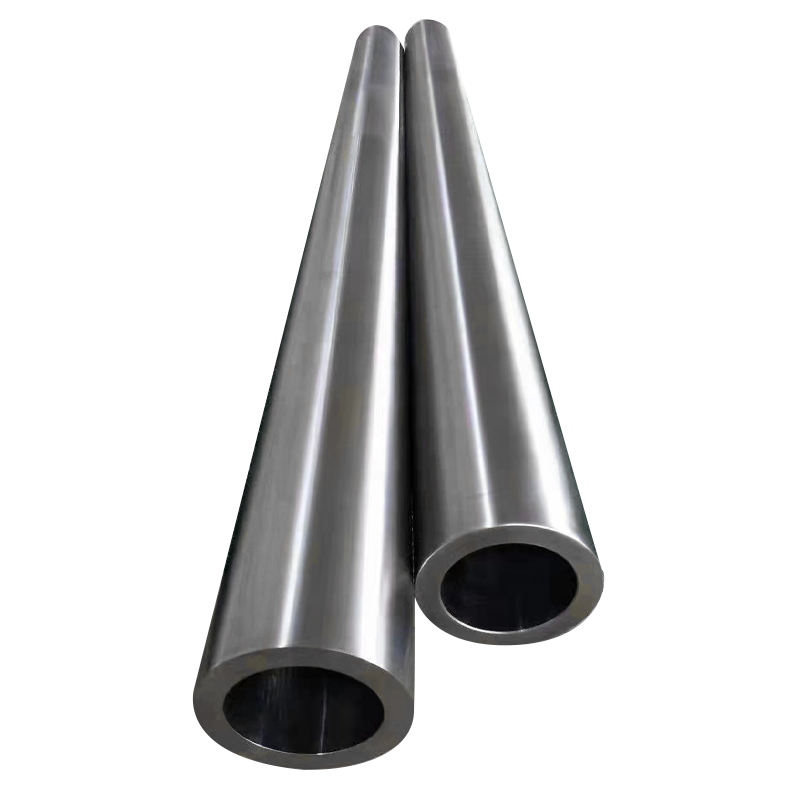 High Strength Sch 160 Seamless Thick Steel Pressure Vessel Pipe Supply SuppliersXinhang Special Material Co., Ltd. Hangzhou Branch is Chinese custom High Strength Sch 160 Seamless Thick Steel Pressure Vessel Pipe Supp...View Product →
Certifications and Quality Assurance
When a high temperature pipe will be installed in a code‑stamped system, the mill must supply material with full traceability to an audited quality system. ISO 9001 is the baseline. For offshore and marine high‑temperature piping, ABS certification and NORSOK M‑650 qualification provide independent verification that the product meets stringent mechanical and corrosion requirements. Verify that the material certificates reference the correct ASTM/ASME specification (A/SA 312, A/SA 213, A/SA 789, etc.) and that the grade and heat treatment condition match the design assumptions. For critical safety applications, request a creep‑test certificate for the specific heat to validate long‑term integrity.
Conclusion & Practical Checklist
Resolving a high temperature piping selection to a single purchase order requires methodical steps. First, define the maximum design metal temperature and the number of thermal cycles per year. Second, identify the corrosion mechanism – oxidation, carburisation, sulphidation – and pick a grade with sufficient chromium, nickel, and stabilising elements. Third, consult the applicable code allowable‑stress tables at temperature and determine the minimum wall thickness for the pressure class. Fourth, verify that the selected product form – seamless or welded, bright annealed or pickled – meets the surface and dimensional requirements of the installation. Fifth, insist on material certificates traceable to a recognised quality management system and, where applicable, third‑party certifications such as ABS or NORSOK. A technically sound material choice reduces unplanned shutdowns and extends asset life in a way that initial cost comparisons alone cannot quantify.