
 English
 русский
Content
- 1 What Is Sanitary Stainless Steel Seamless Tube
- 2 Key Standards: ASTM A270 & 3-A Sanitary Standards
- 3 304L vs. 316L: Choosing the Right Grade
- 4 Surface Finish Requirements for Hygienic Applications
- 5 Manufacturing Process: From Cold Drawing to Bright Annealing
- 6 Sizing, Wall Thickness, and Fitting Compatibility
- 7 Where Sanitary Seamless Tube Is Used
What Is Sanitary Stainless Steel Seamless Tube
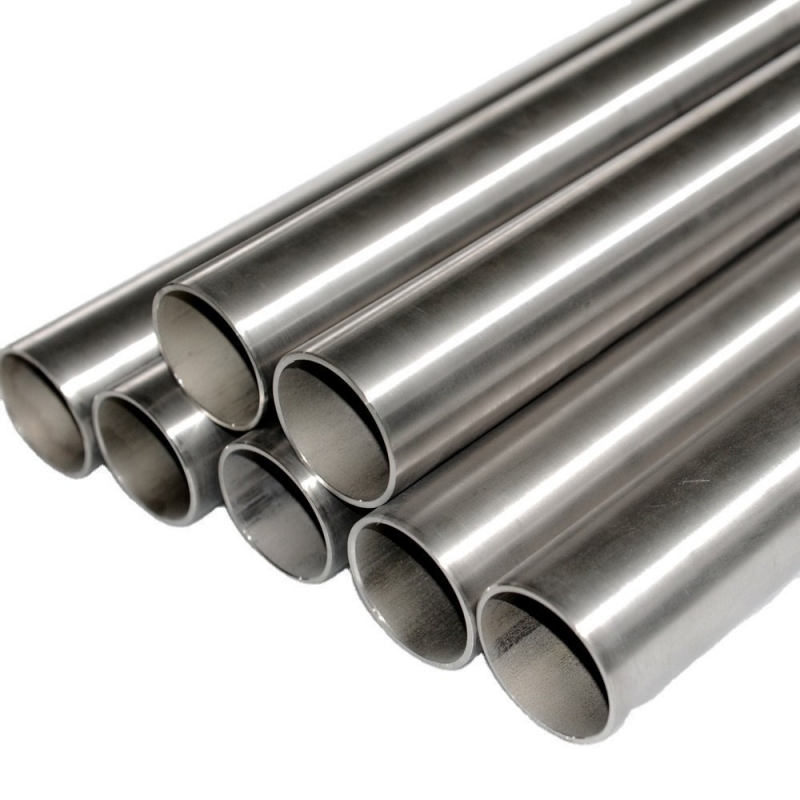
A batch of yogurt can pick up off-flavors from a single scratch inside a transfer line. That is the practical reason sanitary stainless steel seamless tube exists: hygienic processing systems need an interior surface that cleans completely and holds nothing back for bacteria to colonize.
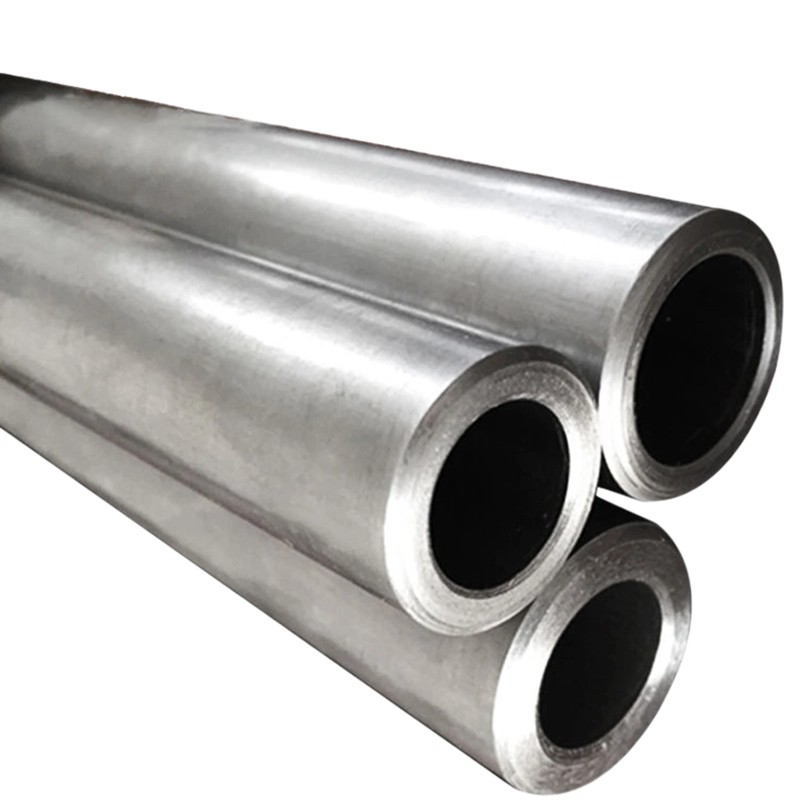
Seamless construction removes the weld seam that welded tube relies on. Without a weld bead, there is no heat-affected zone, no crevice at the joint, and no risk of the weld line corroding faster than the base metal under repeated caustic cleaning cycles. For how seamless and welded stainless tubes differ in fabrication, the manufacturing route itself explains why sanitary system designers default to seamless whenever tolerances and budget allow it.
What separates sanitary tube from ordinary seamless stainless tube is not the alloy — it is the combination of interior finish, dimensional control, and documentation built around hygienic design rules such as 3-A and ASME BPE.
Key Standards: ASTM A270 & 3-A Sanitary Standards
ASTM A270 is the specification most sanitary tube is bought against. It covers seamless, welded, and heavily cold-worked austenitic and duplex stainless tubing, sets the interior surface finish requirement, and defines tighter outside-diameter tolerances than general-purpose tube specifications like A269 require.
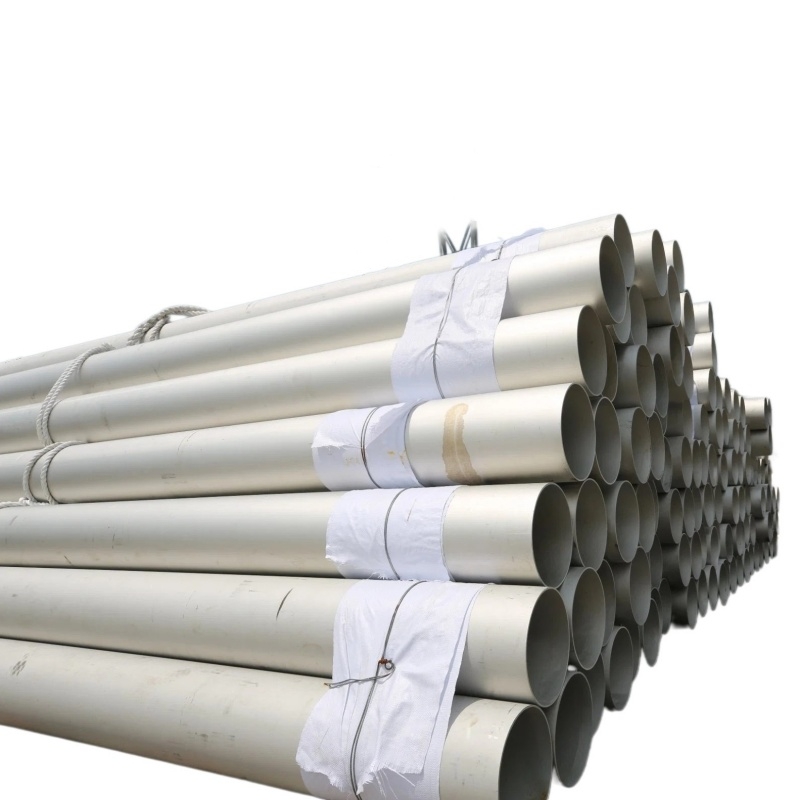
Sizing under A270 typically runs from 1/2 inch up to 12 inches OD, with wall thickness selected to match standard tri-clamp and sanitary weld fitting dimensions rather than nominal pipe size schedules. Buyers should check the standards and certifications that apply to seamless stainless pipe before finalizing a spec, since additional codes often layer on top of A270 depending on the end industry.
Alongside A270, 3-A Sanitary Standards govern equipment design rather than material chemistry — they require product-contact surfaces to be smooth, crevice-free, and non-absorbent, and they are the reference most dairy and food regulators check against. Pharmaceutical and biotech buyers often add ASME BPE requirements, which push surface finish and documentation even further.
304L vs. 316L: Choosing the Right Grade
Both grades show up constantly in sanitary tube listings, and the low-carbon "L" designation is standard practice here for one reason: sanitary systems get welded during fabrication, and low carbon content limits the chromium carbide precipitation that would otherwise weaken corrosion resistance right at the weld.
304L covers the bulk of dairy, beverage, and general food processing work where cleaning chemistry stays mild and chloride exposure is limited. 316L earns its place whenever the process fluid contains chlorides — brine, saline solutions, or aggressive CIP chemicals — and it is the default choice across most pharmaceutical, biotech, and cosmetic lines where a margin against pitting corrosion matters more than a small cost difference.
- Choose 304L for milk, juice, beer, and general food-contact transfer lines
- Choose 316L wherever chlorinated cleaning agents or saline process fluids are involved
- Duplex grades appear occasionally where higher mechanical strength is needed alongside sanitary-grade finish
Surface Finish Requirements for Hygienic Applications
Surface finish is the single spec line that does the most work in a sanitary tube order. A rougher interior gives bacteria more surface area to anchor to and makes cleaning validation harder to pass, so the finish grade should match the actual risk profile of the process rather than defaulting to the cheapest mill finish available.
| Finish | ID Ra (μin) | Typical Use |
|---|---|---|
| Mill / Mechanical Polish | ≤ 32 | Dairy, beverage, general food processing |
| Mechanical + Electropolish | ≤ 25 | Pharmaceutical, biotech, high-purity water |
| Electropolish Only | ≤ 20 | Semiconductor, ultra-high-purity systems |
For a real-world example of how these finish grades reach production, a 316 sanitary seamless tube engineered to resist bacterial growth illustrates the finish-rolling approach applied specifically to reduce interior roughness before the tube ever reaches a fabrication shop.
Manufacturing Process: From Cold Drawing to Bright Annealing
Sanitary seamless tube starts life as a solid billet or hollow that gets cold-drawn through a series of dies to bring it down to final wall thickness and outside diameter. Cold drawing tightens dimensional tolerances well beyond what hot working alone can achieve, which matters directly for fit-up with tri-clamp fittings later on.
Bright annealing follows in a controlled atmosphere furnace, restoring ductility after cold work while keeping the surface oxide-free — no scale to remove, no extra pickling step needed. The tube then goes through mechanical polishing, electropolishing, or both, depending on the finish grade the application calls for. The surface drawing process used for food-grade duplex tubing shows this sequence applied to a duplex alloy, where the higher strength of the base material adds an extra variable to the drawing schedule.
Sizing, Wall Thickness, and Fitting Compatibility
Sanitary tube is dimensioned by outside diameter, not by the nominal pipe size system used for industrial piping. This matters because tri-clamp and sanitary weld fittings are built around fixed OD steps — ordering by wall schedule instead of OD is a common and avoidable source of fit-up problems on site.
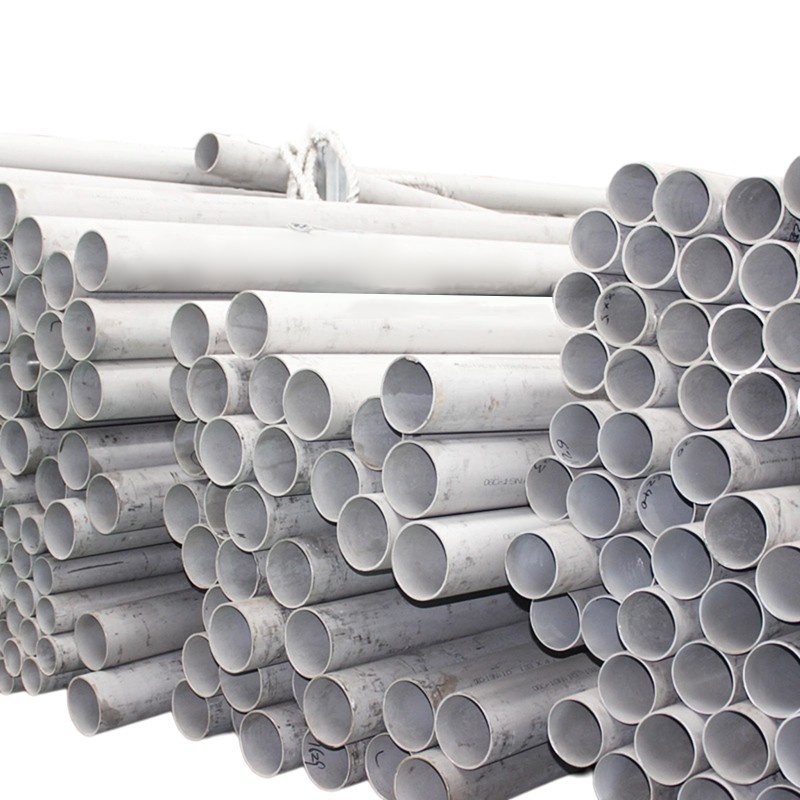
Wall thickness generally runs around 0.065 inch for tube up to 3 inches OD, stepping up to roughly 0.083 inch for larger sizes, though exact figures vary by supplier and specification. How dimensional accuracy is controlled in seamless pipe manufacturing covers the inspection steps — eddy current testing, ultrasonic testing, and hydrostatic testing — that confirm a batch actually holds to the tolerances the mill quoted.
Where Sanitary Seamless Tube Is Used
Dairy and beverage processing remain the largest volume users, covering everything from milk receiving lines to beer and wine transfer systems. Pharmaceutical and biotech operations push the requirements further still, specifying tighter finish grades for WFI systems, buffer preparation, and