
 English
 русский
Content
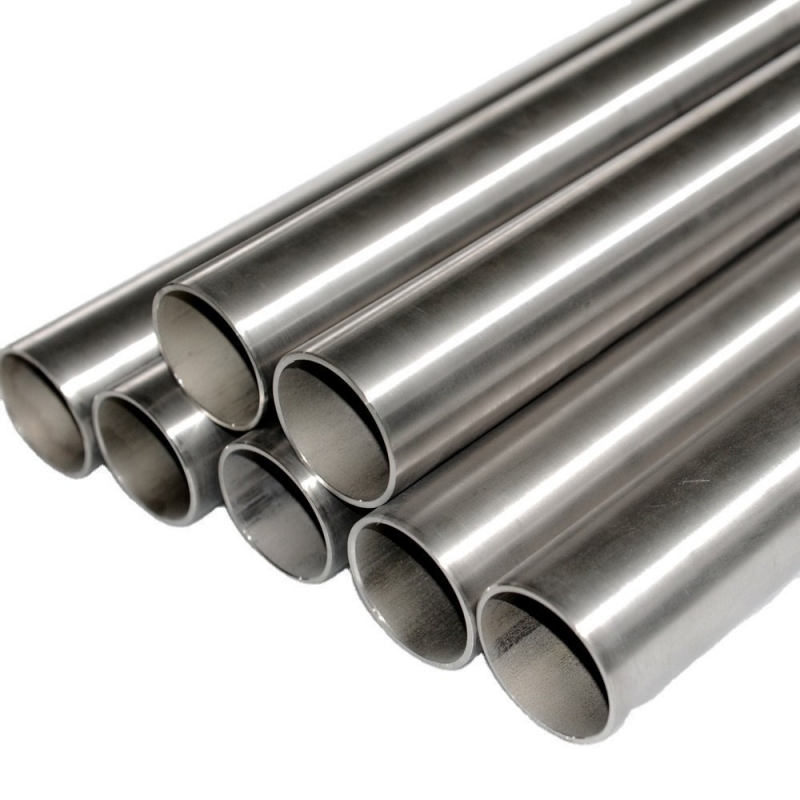
Stainless steel tubing comes in dozens of configurations, but thin wall variants occupy a distinct engineering niche. The moment a pipe's outer diameter-to-wall thickness ratio (D/T) exceeds 20, it crosses into thin wall territory — and that seemingly simple ratio changes everything: how the tube bends, how it transfers heat, how much it weighs, and which applications it serves. Specifying the wrong wall thickness is one of the costlier mistakes in process piping design. Getting it right starts with understanding what thin wall stainless tube actually is and what it can do.
What Is a Thin Wall Stainless Tube?
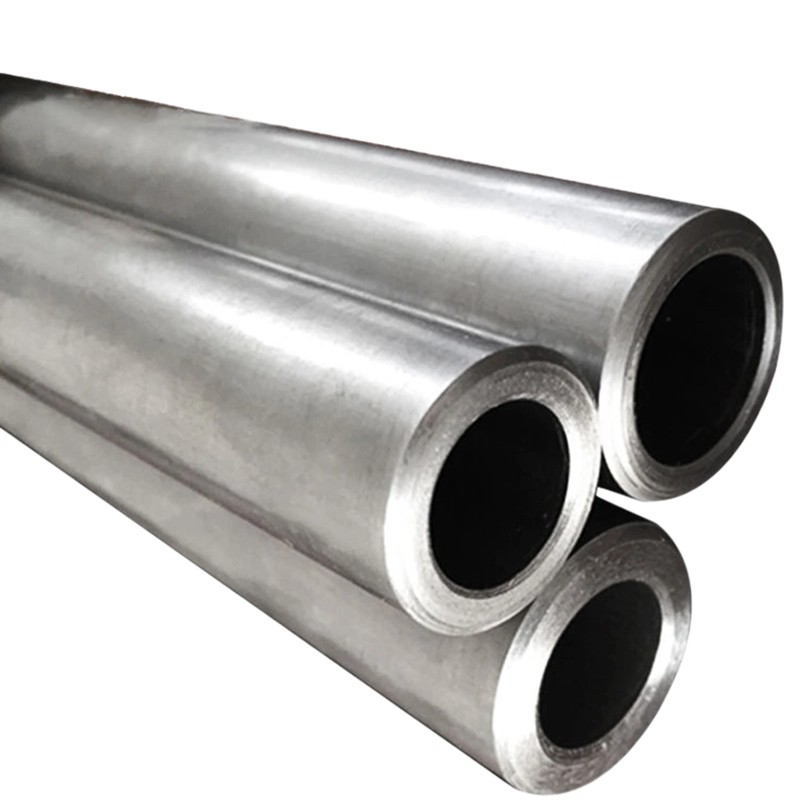
By engineering convention, a tube is classified as thin-walled when its D/T ratio exceeds 20 — meaning the outer diameter is more than twenty times the wall thickness. A tube with D/T below 20 falls into thick-wall or heavy-wall territory. This distinction isn't cosmetic: thin wall tubes behave differently under hoop stress, respond differently to bending, and are manufactured using different methods than their heavy-wall counterparts.
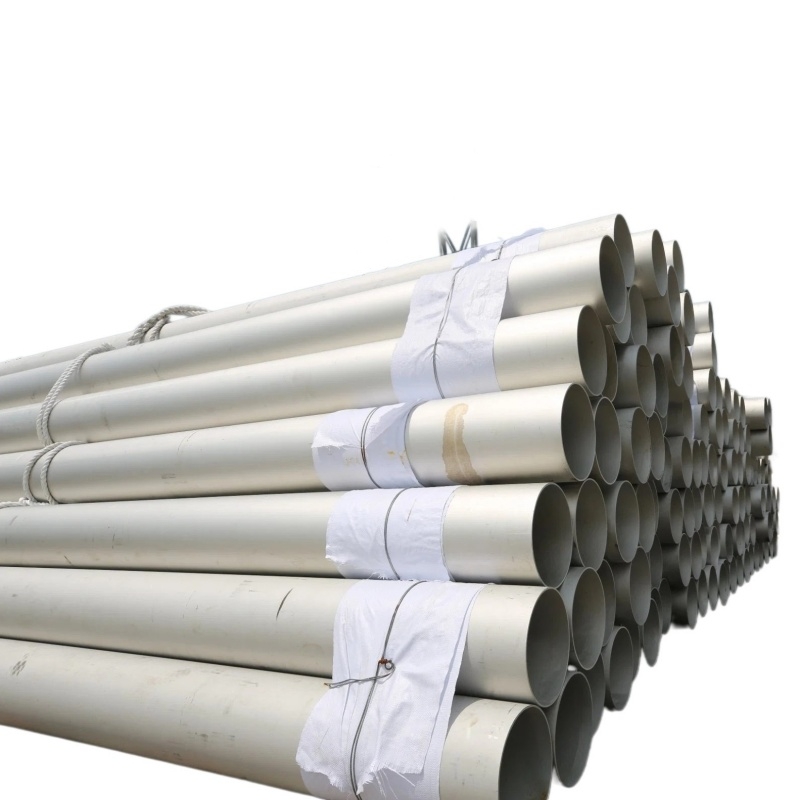
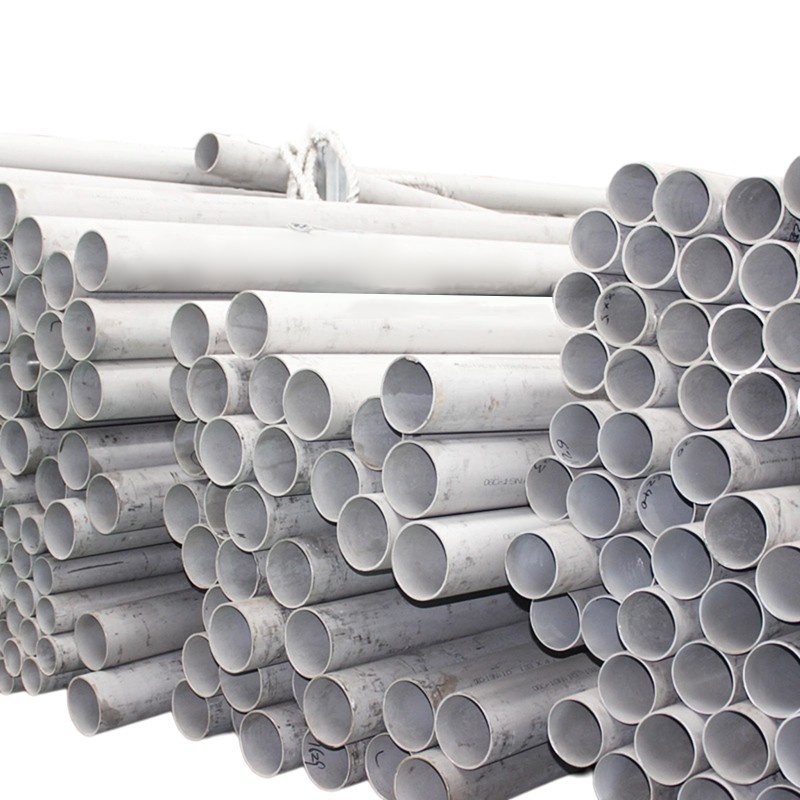
In practical terms, thin wall stainless tubes span a broad size range. At the micro end, hypodermic-style tubes used in medical devices can have wall thicknesses as low as 0.1 mm. At the industrial end, large-diameter schedule 5S or 10S pipes used in chemical plants qualify as thin-walled despite having walls several millimeters thick — because the pipe diameter is simply much larger.
The primary advantages of thin wall construction are lower material cost per unit length, reduced weight, improved thermal conductivity (critical in heat exchangers), and greater formability. The tradeoff is reduced pressure capacity and more sensitivity to external mechanical loads. Choosing thin wall over standard or heavy wall is always a trade-off analysis driven by the specific operating conditions.
Common Grades and Their Differences
Material grade selection is the most consequential decision in thin wall stainless tube specification. The grade governs corrosion resistance, high-temperature strength, and weldability — and different grades carry very different price points. Here is how the most widely used grades compare:
| Grade | Cr / Ni Content | Key Strength | Best For |
|---|---|---|---|
| 304 / 304L | 18% Cr / 8% Ni | General corrosion resistance, cost-efficient | Food processing, architectural, general industrial |
| 316 / 316L | 16% Cr / 10% Ni / 2% Mo | Chloride and acid resistance | Marine, pharmaceutical, chemical processing |
| 321 | 18% Cr / 10% Ni + Ti stabilized | Resistance to sensitization at elevated temps | Boiler tubes, exhaust systems, aerospace |
| 904L | 20% Cr / 25% Ni / 4.5% Mo | Superior resistance to sulfuric acid | Petrochemical, desalination, aggressive media |
| 310S | 25% Cr / 20% Ni | High-temperature oxidation resistance | Furnace components, thermal processing |
The 304 vs. 316 decision is the one most buyers face. If chlorides are present in the process fluid or environment — seawater, cleaning agents, many industrial solvents — 316 or 316L is the correct choice. 304 performs well in most neutral and mildly acidic environments but will pit and crevice-corrode in chloride-rich conditions. For a detailed breakdown of when each grade is appropriate, see our guide on key differences between 304 and 316 stainless steel tubing for industrial applications.
The "L" designation (304L, 316L) indicates a low-carbon variant with a maximum of 0.03% carbon, which reduces the risk of carbide precipitation during welding. For thin wall tubes that will be welded in the field, L-grades are strongly preferred unless the application calls for a stabilized grade like 321.
Seamless vs. Welded: Which Manufacturing Process Fits Your Needs?
Thin wall stainless tubes are produced by two fundamentally different methods, and the choice between them affects both performance and cost significantly.
Seamless tubes are manufactured through a cold-drawing or cold-rolling process. A solid billet is pierced and drawn through dies in multiple passes, with intermediate annealing steps to restore ductility. The result is a tube with no longitudinal weld seam, uniform wall thickness, and excellent dimensional consistency. Cold-drawn seamless tubes are the standard choice for instrument tubing, high-pressure hydraulic lines, and applications where weld-zone integrity cannot be compromised. Our seamless stainless steel tubes for industrial use are produced via cold process to meet the tightest dimensional tolerances.
Welded tubes are formed by rolling flat strip or sheet into a tube profile, then joining the seam via TIG or laser welding. The weld flash is removed from the outside diameter, and the tube is typically drawn down further to eliminate the internal bead and improve surface finish. Modern welded and drawn tubes are structurally sound for most applications and offer better cost-efficiency than seamless. They are widely used in heat exchangers, food and beverage lines, and architectural applications. Explore our range of welded stainless steel tube solutions for high-volume and cost-sensitive projects.
For instrument and control lines where pressure integrity and dimensional accuracy are paramount, consider our precision cold-drawn stainless steel tube, which undergoes bright annealing to maintain a clean, oxide-free surface without post-treatment pickling.
| Factor | Seamless | Welded (& Drawn) |
|---|---|---|
| Pressure rating | Higher — no weld seam risk | Sufficient for most applications |
| Wall uniformity | Excellent | Very good (after drawing) |
| Surface finish | Bright annealed or pickled | Bright ID/OD available |
| Cost | Higher | More economical |
| Small OD availability | Excellent (down to <1 mm) | Limited below ~3 mm OD |
| Typical standard | ASTM A269, A213 | ASTM A249, A269, A270 |
Standard Wall Thickness Specifications
Thin wall stainless tubes are specified in two parallel systems depending on the industry and region: the schedule system (common in process piping) and the gauge/dimension system (common in precision and medical tubing).
In process piping, Schedule 5S and Schedule 10S are the standard thin wall designations under ASTM A312, the governing specification for seamless and welded austenitic stainless steel pipe. For a 2-inch NPS pipe, Schedule 5S gives a wall thickness of 0.065 inches (1.65 mm), while Schedule 10S gives 0.109 inches (2.77 mm) — both qualify as thin wall for that diameter. Schedule 40S and above cross into standard or heavy-wall territory for most sizes.
In precision and instrumentation applications, wall thickness is typically specified directly in millimeters or inches alongside the outer diameter. Tolerances matter enormously here. A typical thin wall precision tube carries an OD tolerance of ±0.05–0.10 mm, a wall thickness tolerance of ±10–15%, and an ID tolerance derived from these two. Buyers should request mill certificates confirming actual measured values, not just nominal specifications.
| NPS (inches) | OD (mm) | Sch 5S Wall (mm) | Sch 10S Wall (mm) |
|---|---|---|---|
| 1/2" | 21.3 | 1.65 | 2.11 |
| 1" | 33.4 | 1.65 | 2.77 |
| 2" | 60.3 | 1.65 | 2.77 |
| 4" | 114.3 | 1.98 | 3.05 |
| 6" | 168.3 | 2.11 | 3.40 |
| 8" | 219.1 | 2.11 | 3.76 |
Key Industries and Applications
The combination of corrosion resistance, low weight, and clean surface finish makes thin wall stainless tube indispensable across a wide span of industries. The specific grade and surface finish required varies significantly by sector.
Chemical processing is the largest single end-use. Stainless thin wall tubes convey acids, solvents, and corrosive slurries through reactors, distillation columns, and transfer lines. 316L is the baseline; more aggressive media require 904L or duplex grades. The thin wall geometry reduces heat mass, which is an advantage in temperature-sensitive reactions.
Oil and gas operations rely on thin wall stainless for instrument tubing — the small-diameter, high-precision lines that carry control signals, sample fluids, and hydraulic pressure throughout a production facility. For these applications, dimensional accuracy and leak-tight integrity are non-negotiable. Our high-precision stainless steel tube for instrumentation and flow control is manufactured to meet these demanding requirements.
Food and beverage production demands hygienic tube surfaces. Thin wall welded tubes with electropolished or bright-annealed interiors minimize bacterial adhesion and allow effective CIP (clean-in-place) washing. ASTM A270 and 3A sanitary standards govern these applications. 304 suffices for most food contact; 316L is preferred where cleaning chemicals with chloride content are used.
Pharmaceutical and biotech facilities push surface requirements even further. High-purity systems use thin wall EP (electropolished) tubes with Ra values below 0.5 µm on both the ID and OD, with full documentation of surface finish, material heat, and passivation treatment. Traceability is as important as the physical specification.
Marine and offshore environments put corrosion resistance under constant stress. Thin wall 316L tubes are standard for seawater cooling lines and hydraulic circuits; duplex 2205 is increasingly specified for more demanding offshore applications where both strength and corrosion resistance must be maximized. See our guide on how to choose the right thin wall stainless steel tube for your specific environment.
Heat exchangers and condensers are one of the highest-volume applications for thin wall stainless tube. Wall thickness is minimized to reduce thermal resistance while maintaining structural integrity under the shell-side and tube-side pressure differentials. Grade selection here is dictated entirely by the process fluid and coolant composition.
How to Source a Reliable Thin Wall Stainless Tube Supplier
Thin wall stainless tube is not a commodity buy. The dimensional tolerances, surface finish, and material traceability requirements leave little room for error — and the consequences of a substandard tube in a chemical or pharmaceutical system can be significant. Here is what to evaluate when selecting a supplier.
Certifications and standards compliance. A credible supplier holds ISO 9001 quality management certification as a baseline and can provide EN 10204 3.1 or 3.2 mill certificates for each heat of material. For specific industries, look for additional certifications: PED compliance for European pressure equipment, ABS or DNV-GL certification for marine applications, or FDA-compliance documentation for food contact use.
Manufacturing capability and range. Verify that the supplier actually manufactures or sources directly from a mill — not from a spot market where traceability breaks down. A capable supplier should offer both seamless and welded construction across a meaningful range of OD sizes, wall thicknesses, and grades without defaulting to "contact us for custom sizes" on every non-standard request.
Tolerance control and dimensional inspection. Ask for a sample certificate showing actual measured dimensions, not just nominal values. Suppliers with genuine dimensional control will provide actual OD, wall thickness, and straightness data. A wall thickness tolerance of ±10% is acceptable for general use; precision applications may require ±5% or tighter.
Surface finish options. Depending on your application, you may need annealed and pickled, bright annealed (BA), mechanically polished (MP), or electropolished (EP) surfaces. A full-service supplier should offer all of these and be able to document the Ra values and treatment process.
Custom length and cut capability. Standard mill lengths for thin wall tube are typically 6 m or 20 ft. If your project requires specific cut lengths, confirm that the supplier can cut to length with burr-free ends and maintain tolerances throughout. Small-diameter precision tubing in particular requires careful cutting to avoid deformation.