
 English
 русский
Content
For critical industrial systems requiring sustained performance under corrosive or high-pressure conditions, high performance stainless pipes—specifically duplex (e.g., 2205, 2507) and super-austenitic (e.g., 904L, 6% Mo) grades—provide significantly higher yield strength and pitting resistance than conventional 304/316 series. A direct comparison shows that duplex 2205 offers a minimum yield strength of 450 MPa (vs. 205 MPa for 304L), enabling wall thickness reductions of up to 40% while maintaining pressure rating. Additionally, its PREn (Pitting Resistance Equivalent) value of 35 ensures reliable service in chloride-laden environments where 316L (PREn 25) would fail within months. For maximum corrosion resistance, super duplex 2507 achieves a PREn of 42 and yield strength exceeding 550 MPa, extending maintenance intervals by up to 300% in offshore applications.
Defining High Performance Stainless Pipe
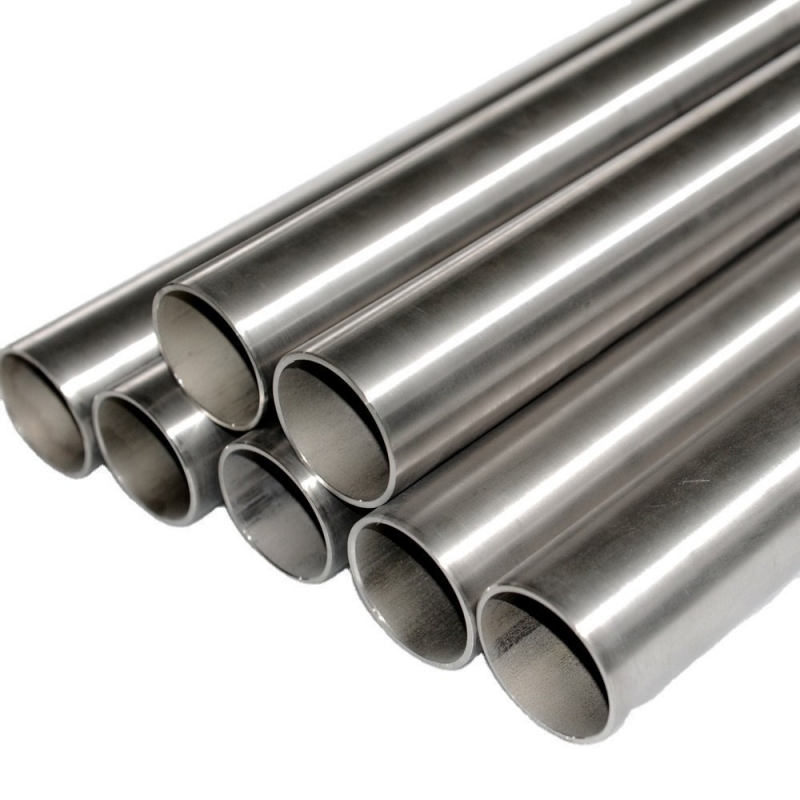
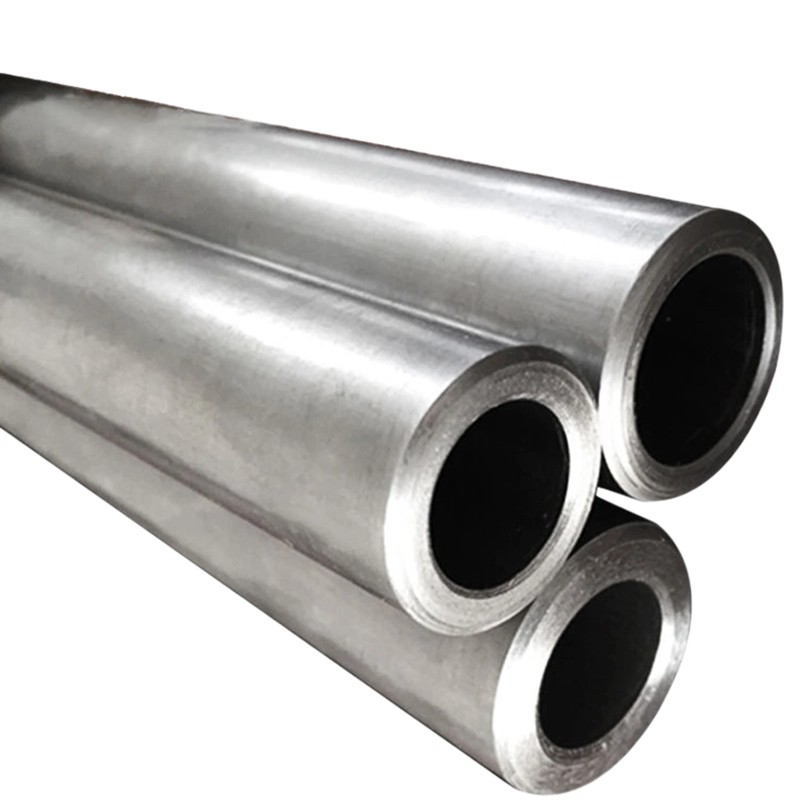
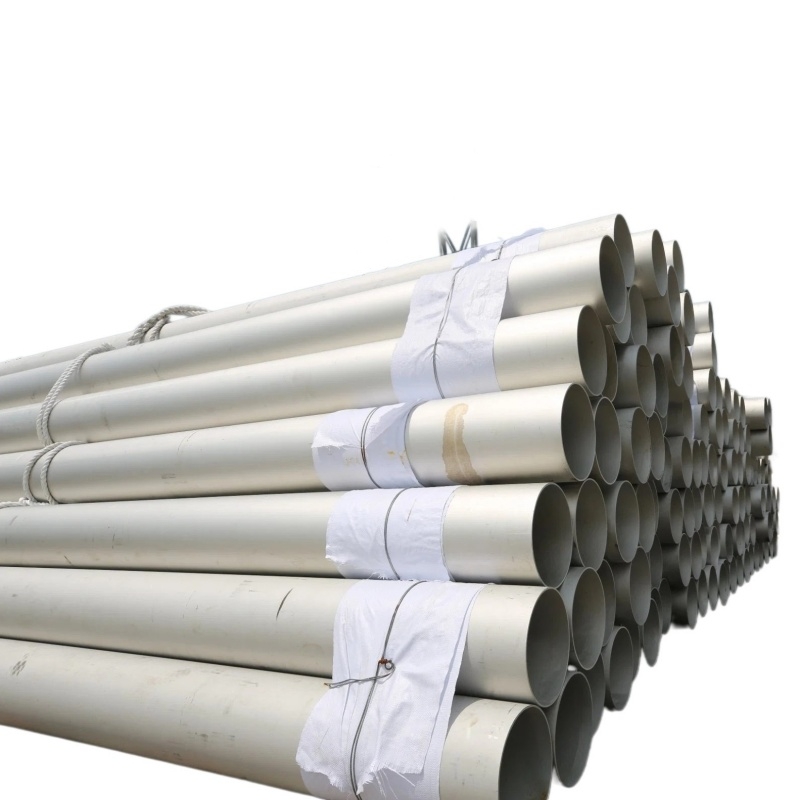
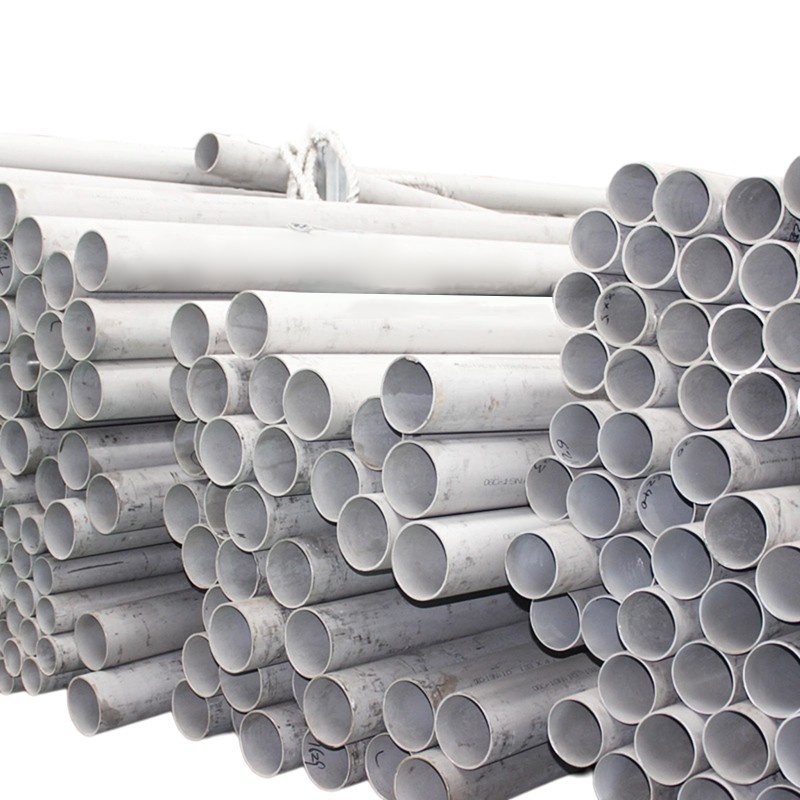
High performance stainless pipes are distinguished by their microstructural design and alloy chemistry, which optimize mechanical strength, localized corrosion resistance, and thermal stability beyond standard austenitic grades (304/316). The two primary families are:
- Duplex stainless steels (ferritic-austenitic): e.g., UNS S32205 (2205), UNS S32750 (2507). They offer roughly double the yield strength of austenitic grades due to a balanced 50/50 phase structure.
- Super-austenitic stainless steels: e.g., UNS N08904 (904L), UNS S31254 (6% Mo). These contain high molybdenum (>4%) and nitrogen, delivering PREn values above 32 for extreme chloride resistance.
A pipe qualifies as "high performance" when its PREn exceeds 32, yield strength surpasses 400 MPa, and critical pitting temperature (CPT) in 6% FeCl₃ solution is above 40°C. These thresholds directly correlate to longer service life in aggressive media such as seawater, sulfuric acid, or sour gas environments.
Critical Performance Metrics and Data
Selecting the correct high performance stainless pipe requires comparing quantifiable parameters. The table below summarizes key properties for common grades, based on ASTM and NACE standards.
| Grade | Yield Strength (MPa, min) | Tensile Strength (MPa) | PREn | Max Continuous Temp (°C) |
|---|---|---|---|---|
| 304L | 205 | 515 | 18 | 800 |
| 316L | 210 | 550 | 25 | 760 |
| Duplex 2205 | 450 | 655 | 35 | 280 |
| Super Duplex 2507 | 550 | 795 | 42 | 300 |
| Super-austenitic 904L | 220 | 520 | 35 | 400 |
As shown, duplex grades provide a strength-to-cost advantage, while super-austenitic grades excel in high-temperature acidic environments. The pitting resistance equivalent (PREn) formula used: PREn = %Cr + 3.3×%Mo + 16×%N. For chloride stress corrosion cracking (SCC) resistance, duplex 2205 outperforms 316L by a factor of 10x in boiling MgCl₂ tests.
Application-Specific Selection Criteria
The choice of high performance stainless pipe must align with operational stresses, chemical exposure, and temperature cycles. Below are three typical high-risk scenarios with data-backed recommendations.
Marine and Offshore Platforms
Seawater with 3.5% chlorides and stagnant zones creates crevice corrosion. Pipes with PREn ≥40 (e.g., super duplex 2507) are mandatory. Field data from North Sea platforms show that switching from 316L to 2507 reduced pitting failure rates from 12 failures per 1000 pipe-years to 0.3 failures, while achieving a design life of 25+ years without coating.
Chemical Processing (Sulfuric Acid, 50-90% concentration)
At 60°C and 85% H₂SO₄, 316L corrodes at >0.5 mm/year. High performance options: 904L provides 0.05 mm/year corrosion rate, while Sanicro 28 (similar to alloy 28) drops to 0.01 mm/year. Use super-austenitic grades with Mo >4.5% and Cu >1.2% for aggressive acid streams.
High-Pressure Sour Gas (NACE MR0175/ISO 15156)
For H₂S partial pressures >0.01 MPa, duplex 2205 and 2507 are qualified up to 0.3 MPa H₂S and 150°C. Their hardness limit of <28 HRC prevents sulfide stress cracking. Actual yield strength of solution-annealed 2205 pipe reaches 530 MPa, enabling a pressure rating increase of 120% compared to 316L with the same schedule.
Fabrication and Quality Assurance Standards
High performance stainless pipes demand tighter fabrication controls. Duplex grades, in particular, require attention to interpass temperature and post-weld heat treatment to maintain phase balance. Key specifications:
- Welding heat input: For 2205, limit to 1.5 kJ/mm (ideal 0.5–1.5 kJ/mm) to avoid excessive ferrite. Interpass temperature ≤ 150°C.
- Ferrite content control: As per ASTM A1084, acceptable range is 35–65%. Below 30% risks lower strength, above 70% reduces toughness.
- Non-destructive testing (NDT): 100% ultrasonic testing (UT) with acceptance criteria of 1.0 mm depth for axial flaws, plus dye penetrant on welds. Eddy current for tube mills detects pitting defects as small as 0.2 mm.
Adherence to these parameters ensures that the pipe’s pitting resistance equivalent (PREn) remains fully realized. In a case study of a chemical plant using improperly welded 2205 (heat input >2.2 kJ/mm), localized corrosion occurred within 6 months despite base metal PREn of 35; correction to controlled welding extended service to 12 years.
Economic Lifecycle Analysis: Initial Cost vs. Long-Term Reliability
While high performance stainless pipes have higher upfront material costs, their total cost of ownership (TCO) is often lower due to extended service intervals and reduced downtime. Based on a 10-year operating cycle for a desalination plant:
- 316L pipe: material cost baseline. Requires replacement every 2.5 years due to crevice corrosion. Cumulative replacement cost = 400% of initial plus 120 days of downtime.
- Duplex 2205: material cost 1.8x of 316L. No replacement needed within 10-year study; only periodic inspection. Net savings of 62% in TCO.
- Super duplex 2507: material cost 2.5x of 316L, but achieves 25-year design life in seawater. For assets requiring 99.9% uptime (e.g., LNG plants), the premium is recovered in 3 years through avoided outages.
Thus, for any application where pipe replacement entails >$10,000 per failure (including labor and production loss), high performance stainless steel is the economically rational choice. The break-even point typically occurs when the annual corrosion rate of standard stainless exceeds 0.3 mm/year.