
 English
 русский
Content
Introduction to Alloy Steel
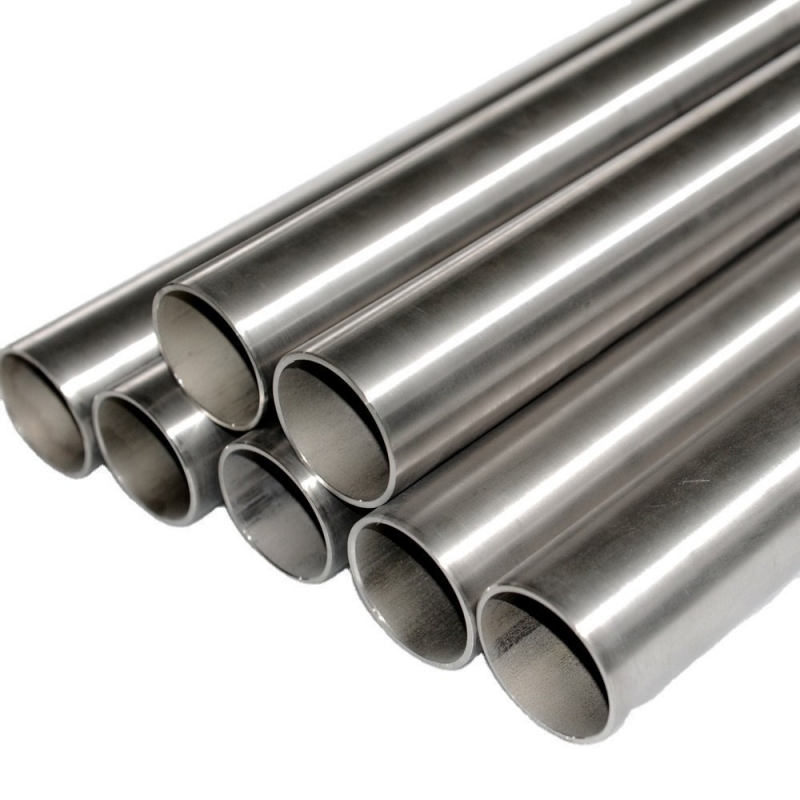
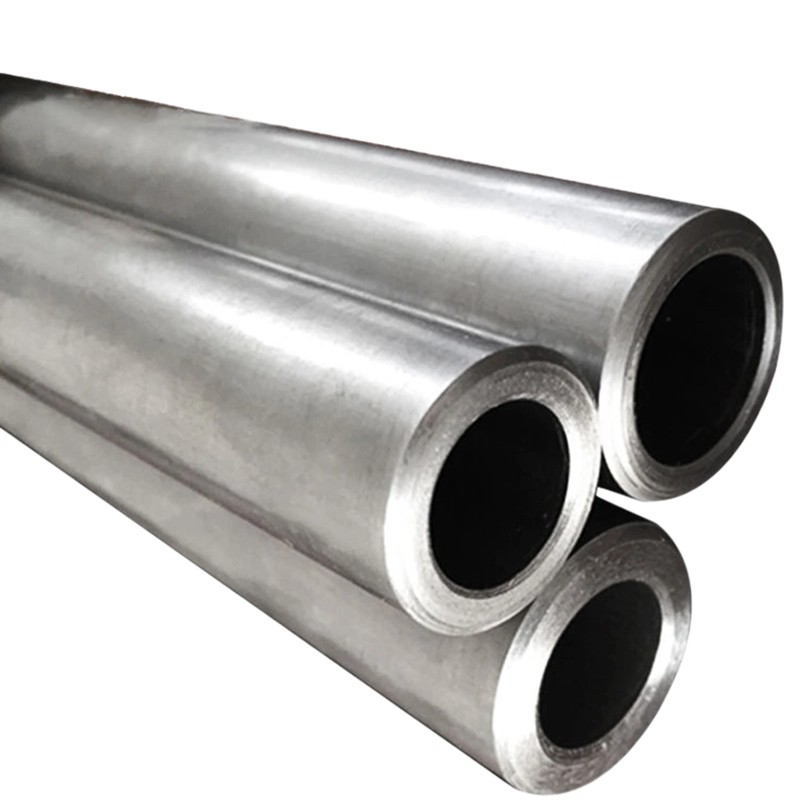
Alloy steel is a type of steel that is made by combining carbon steel with various alloying elements such as chromium, nickel, molybdenum, and vanadium. These alloying elements are added to enhance certain properties of the steel, such as strength, hardness, corrosion resistance, and toughness. Alloy steels are widely used in industries ranging from construction to automotive, aerospace, and energy production.
Types of Alloy Steel
Alloy steels are categorized into different types based on their composition and the specific properties they offer. The most common types of alloy steel include:
1. Low-Alloy Steel
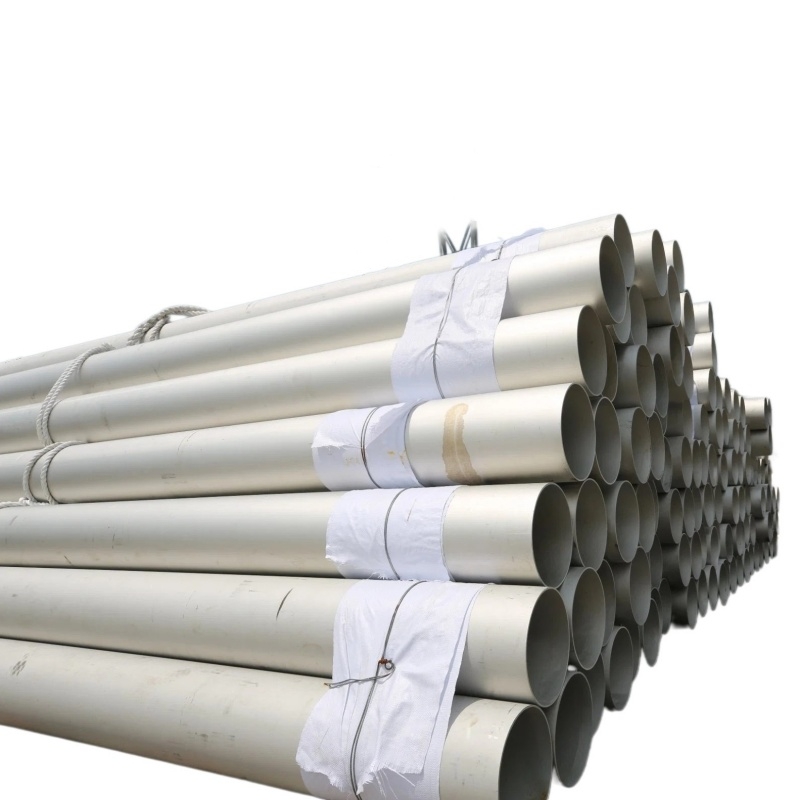
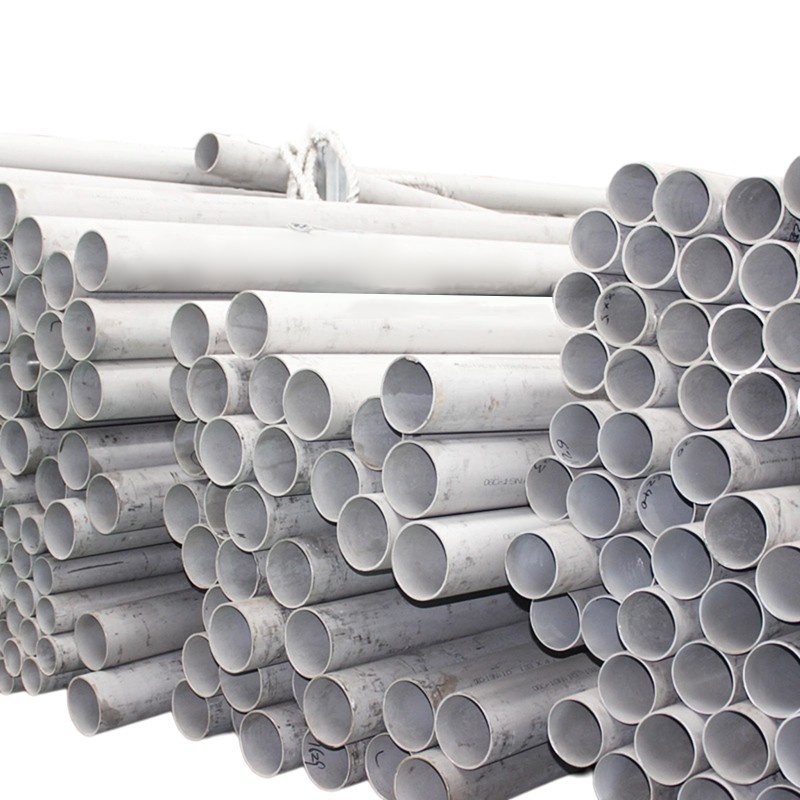
Low-alloy steels typically contain up to 5% of alloying elements. These steels are commonly used in applications where enhanced strength and toughness are required, without significantly increasing the cost. Some of the most common alloying elements in low-alloy steels are manganese, silicon, and nickel. These alloys are widely used in the construction of bridges, pressure vessels, and pipelines.
2. Medium-Alloy Steel
Medium-alloy steels contain between 5% to 10% alloying elements. These steels offer higher levels of strength and wear resistance compared to low-alloy steels, making them suitable for more demanding applications. The addition of elements like chromium and molybdenum can improve the steel's ability to withstand high temperatures and stress. These steels are commonly used in automotive parts, gears, and heavy machinery.
3. High-Alloy Steel
High-alloy steels contain more than 10% of alloying elements. These steels are designed to provide superior performance in terms of corrosion resistance, hardness, and heat resistance. Stainless steel, which is a type of high-alloy steel, is widely used in food processing, medical devices, and chemical industries. Other high-alloy steels, such as those containing large amounts of chromium or nickel, are used in applications requiring high strength at elevated temperatures.
Common Alloying Elements in Alloy Steel
The addition of specific alloying elements to steel can dramatically alter its properties. Below is a list of common alloying elements used in alloy steel:
- Chromium: Enhances hardness, wear resistance, and corrosion resistance.
- Nickel: Improves toughness and resistance to impact and corrosion.
- Molybdenum: Increases resistance to high temperatures and improves strength.
- Vanadium: Improves wear resistance and tensile strength.
- Manganese: Increases toughness and hardness while improving workability.
- Silicon: Enhances strength and deoxidizes the steel during manufacturing.
Properties of Alloy Steel
Alloy steels possess a range of properties that make them ideal for specific applications. Some of the key properties of alloy steel include:
- High Strength: Many alloy steels are designed to offer superior strength and resistance to deformation under load.
- Toughness: Alloy steels can withstand impacts and extreme stress without breaking.
- Corrosion Resistance: High-alloy steels, such as stainless steel, provide excellent resistance to rust and corrosion.
- Wear Resistance: Some alloy steels, especially those with high carbon content, offer superior wear resistance, making them ideal for industrial applications.
- Heat Resistance: Many alloy steels maintain their strength and performance at high temperatures, which is crucial in industries like aerospace and automotive.
Applications of Alloy Steel
Alloy steels are used in a wide variety of industries. Some common applications include:
- Automotive Industry: Alloy steels are used in the manufacture of gears, crankshafts, and suspension components.
- Construction: Low-alloy steels are often used in the construction of bridges, buildings, and pipelines.
- Aerospace: High-strength alloy steels are used in aircraft parts that must withstand high pressure and temperatures.
- Energy: Alloy steels are used in the manufacturing of drilling equipment, power plants, and turbines.
- Tool Making: Steel alloys are commonly used in making cutting tools, dies, and molds due to their hardness and wear resistance.
Conclusion
Alloy steels play a critical role in various industries due to their enhanced properties, which include increased strength, toughness, wear resistance, and corrosion resistance. Understanding the different types of alloy steel and their applications helps in selecting the right material for specific tasks, ensuring the longevity and performance of machinery and structures. Whether for high-temperature, high-strength, or corrosion-resistant applications, alloy steels remain an essential material for modern manufacturing.